






By Raechel Thankam Job and Richa Naidu
July 30 (Reuters) - Sluggish European demand and weak respiratory sales raised doubts on Thursday about whether Haleon can meet its sales targets, sending shares in the consumer health company lower despite better-than-expected first-half profit.
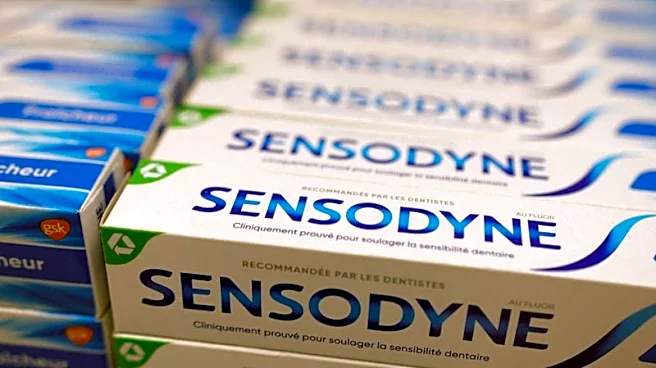
The British maker of Theraflu and Flonase cold medicines and Sensodyne toothpaste reported first-half organic revenue growth of 2.6%, in line with forecasts, but meaning a stronger second half is needed to hit its medium-term
target of 4% to 6% growth.
Amid cautious consumer spending, Haleon has been expanding distribution and improving shelf positioning in the United States, its largest market. That helped North American organic revenue growth reach 3.1% in the second quarter, ahead of expectations.
However, growth in Europe was nearly flat, while respiratory sales fell 6.5%, a steeper decline than the 3.4% drop in the first quarter.
Shares had fallen as much as 3.3% by 1230 GMT.
STRONGER SECOND HALF
"We're going to have a stronger second half than first half, and we're confident in that," CEO Brian McNamara told analysts, adding that growth would be driven by some emerging markets and a recovery in demand for cough-and-cold products.
A weak flu season, particularly in North America, Europe and China, has weighed on the sector.
Haleon's first-half adjusted operating profit of £1.36 billion ($1.81 billion) topped expectations of £1.32 billion in a company-compiled poll.
Still, Jefferies analysts said: "This is not quite good enough, we think," arguing that stronger underlying sales growth was needed.
Despite efforts to control costs, higher freight expenses linked to the Iran war have weighed on Haleon. The company also reported declines in markets such as Dubai as the conflict dampened consumer sentiment.
Finance chief Dawn Allen said costs would rise in the second half as fixed-price contracts and hedging arrangements expire, but McNamara said Haleon could absorb the increase without raising prices.
"We have the gross margin improvement that we're able to absorb those (costs) without needing to do anything around pricing to cover for it," he told Reuters.
($1 = £0.7500)
(Reporting by Raechel Thankam Job in Bengaluru. Editing by Sherry Jacob-Phillips and Mark Potter)