




By Howard Schneider
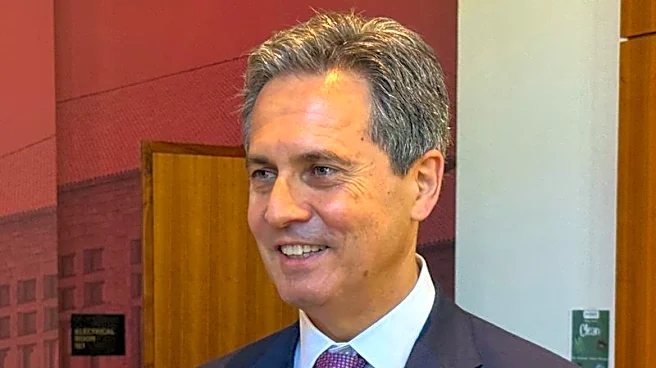
WASHINGTON, Sept 29 (Reuters) - Too big a pullback in the US central bank's communications could lead to higher and more volatile interest rates and inflation if the public and businesses are left to guess how it would react to different economic developments, St. Louis Federal Reserve President Alberto Musalem said on Tuesday.
Musalem, in remarks prepared for delivery at a London School of Economics event, said the Fed and other central banks need not make specific promises about
rates — which can cause its own problems — but "should also avoid exiting the conversation altogether" and at a minimum provide a framework that lets households and businesses understand how central bankers will respond as the economy evolves.
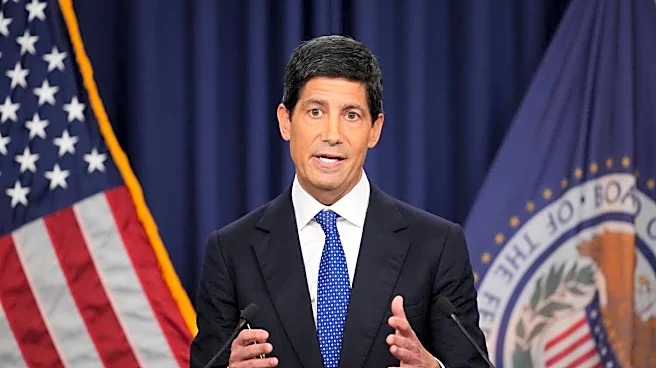
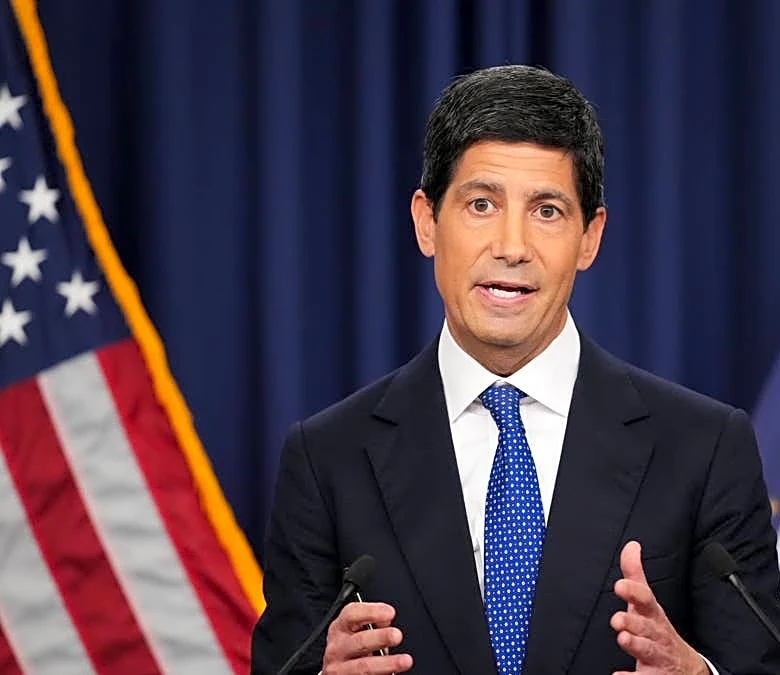
Fed Chairman Kevin Warsh, who took over as head of the central bank in May, has set up a task force to make recommendations on its communications, which he feels have become too freewheeling, citing among his key principles that "a quieter Fed, more purposeful in its communications," would make better monetary policy.
But "a central bank that does not explain how or why it makes policy decisions leaves the public to guess" about policy decisions, "which results in added premiums for uncertainty," and ultimately higher interest rates for businesses and households, and more risk of inflationary or even deflationary spirals where public behavior becomes self-reinforcing, Musalem said.
Saying too little, he noted, also calls the Fed's democratic accountability into question.
"A predictable, explained framework is not a constraint on a central bank," Musalem said. "It is part of what makes an institution run by unelected officials democratically legitimate."
"The communications choice before us is not between noisy overpromising and stoic silence. It is between leaving the public to guess how the central bank thinks and telling them."
(Reporting by Howard Schneider; Editing by Paul Simao)