






By David Shepardson
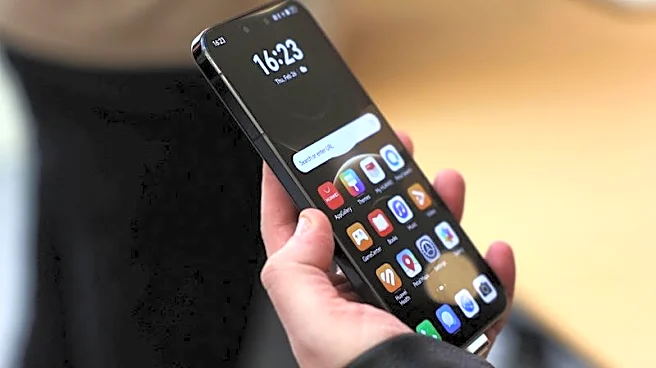
WASHINGTON, April 8 (Reuters) - The Federal Communications Commission said on Wednesday it will vote this month on a proposal to bar all Chinese labs from testing electronic devices such as smartphones, cameras and computers for use in the U.S., widening a previous action targeting Beijing.
The FCC last year banned testing of U.S. electronics by labs owned or controlled by the Chinese government, which led to 23 labs being barred. But the substantial majority of China-based test labs are
still testing U.S. electronics, the agency said.
The FCC says about 75% of all electronics are tested in labs in China. The FCC will vote on the proposal on April 30, before considering public comments and finalizing the prohibition.
Before the FCC takes a final vote to ban all Chinese testing, it will separately vote to adopt a streamlined approval process for devices tested in U.S. labs or labs from countries not posing national security risks, the agency said.
The Chinese embassy in Washington did not immediately comment.
This is the latest move by Washington to crack down on China over technology issues and equipment.
On Friday, the FCC proposed to ban the import of Chinese equipment from a group of manufacturers after previously barring approvals of new models in 2022.
The FCC in 2021 added telecommunications and video surveillance equipment made by Huawei, ZTE, Hytera Hikvision and Dahua to its "covered list" of companies posing U.S. national security risks.
The FCC said on Friday it was proposing to bar imports of equipment from the listed Chinese firms approved for sale in the U.S. before the 2022 order.
Hikvision said it opposes the FCC's attempt at retroactively removing previous, lawful authorizations.
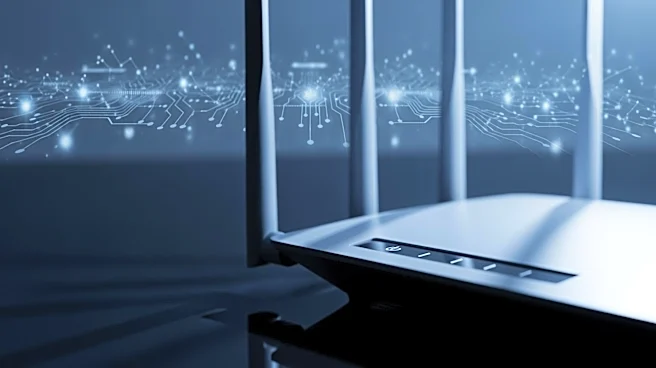
In December, the FCC banned the import of all new models of Chinese drones and last month banned imports of new models of Chinese-made consumer routers, the boxes connecting computers, phones, and smart devices to the internet.
The FCC previously barred some Chinese companies from providing telecommunications services in the U.S. on national security concerns.
(Reporting by David Shepardson; Editing by Mark Porter, Rod Nickel)