



By Arriana McLymore and Ross Kerber
NEW YORK, Dec 18 - A union-aligned investment group sent letters to Amazon, Walmart and Alphabet on Wednesday, asking how U.S. President Donald Trump's immigration policies were impacting their finances and supply chains, according to the documents seen by Reuters.
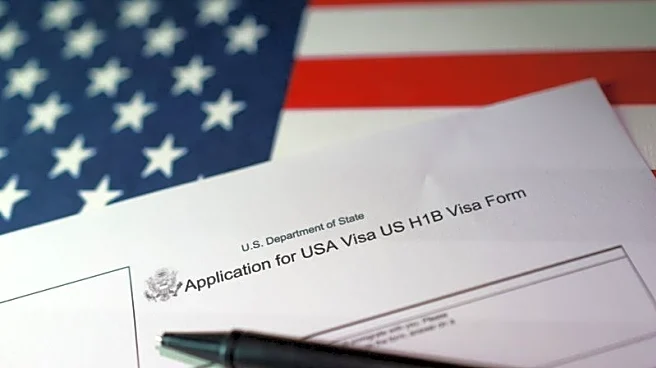
SOC Investment Group owns less than 1% of each of the companies, which include some of the top recipients of H-1B visa petition approvals for skilled foreign professionals. It wants the companies to show
how they will navigate Trump's $100,000 fee structure for new visa approvals. The group has succeeded in the past with such resolutions to convince companies to carry out racial-equity audits and disclose more about their lobbying.
"The availability of labor that's skilled in the area ... is really critical to the long term performance of a company," the group's Executive Director Tejal Patel told Reuters. "If they're not able to keep up with consumer demand or competition because they're not able to hire the right people, it poses a threat to the company's value over the long term."
SOC is also asking Amazon and Walmart to detail how Trump's immigration policies, which have included raids on farms, are affecting the trucking and farming sectors needed to stock supermarket shelves, the letters showed.
SOC Investment Group and the funds it works with own about 17 million shares of Walmart, 31 million shares of Amazon, and 41 million shares of Google-parent Alphabet , according to the firm.
Google and Walmart did not immediately respond to requests for comment. Amazon declined to comment.
The changes to H-1B rules starting in September fueled panic in places including New York and California's Silicon Valley, where thousands of immigrants - especially Asians - are employed by large tech and financial companies. The changes spurred talk of moving jobs outside the U.S. Law makers sent letters to companies asking for detailed information on the number of employees receiving H-1B visas.
The letters also come days after Trump signed an executive order directing U.S. regulators to consider new regulations for proxy advisors, which would make it easier for companies to ignore shareholder proposals like SOC's on their proxy statements. SOC's resolutions, meant to be voted on at companies' annual meetings next year, are only advisory, but often companies make changes in response to measures that draw over 30% support.
While SOC is hoping for a "productive engagement" with the three companies to get more disclosures, Patel said SOC was "considering all options, which includes litigation" if they did not print the resolution on their proxies.
(Reporting by Arriana McLymore in New York and Ross Kerber in Boston ; Editing by Sayantani Ghosh and Lincoln Feast.)