






By Siddharth Cavale and Jarrett Renshaw
NEW YORK, May 12 (Reuters) - Biofuel advocates are making a last-minute push to convince House lawmakers to approve year-round sales of gasoline blended with higher volumes of ethanol ahead of a vote on Capitol Hill this week, as the refining sector seeks to sink the effort.
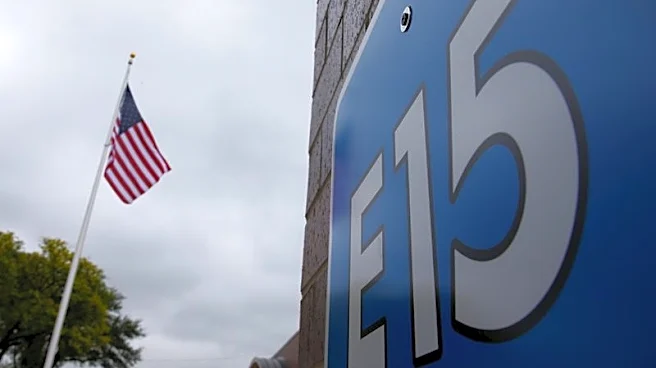
The vote for year-round gasoline blended with 15% ethanol (E15) represents the closest the industry has gotten so far to achieving a major goal they have sought for years, but they still
face opposition from lawmakers in refining states and uncertainty in a deeply divided Senate.
A similar provision was removed from a stop-gap funding bill in 2024, following opposition from Elon Musk, who was acting as the Trump administration’s efficiency chief, along with certain conservative lawmakers. A renewed push in January 2026 also failed, with lawmakers instead opting to form a task force to study allowing year-round E15 sales.
Representatives for Elon Musk did not immediately respond to a request to comment.
Both sides are lobbying Congress, with representatives from the Renewable Fuels Association, the American Petroleum Institute, and the Small Refineries of America meeting lawmakers on Capitol Hill on Monday and Tuesday.
If passed, the H.R. 1346 bill, or the Nationwide Consumer and Fuel Retailer Choice Act, would allow, but not require, fuel retailers to sell gasoline blended with 15% ethanol year‑round nationwide, while also tightening rules for refineries seeking exemptions from the Environmental Protection Agency's record biofuel-blending requirements on economic hardship grounds.
The E15 blend is typically barred during the summer months due to smog concerns, though the Trump administration has temporarily waived that restriction for 20 days from May 1 to help curb gasoline prices that have spiked since the Iran war.
The biofuels industry has received support from Trump who visited Iowa earlier this year and promised he would sign any E15 bill sent to his desk. Since then, however, the White House has not used any political pressure to get lawmakers to move on the bill, underscoring the complex and divisive nature of ethanol politics in Washington.
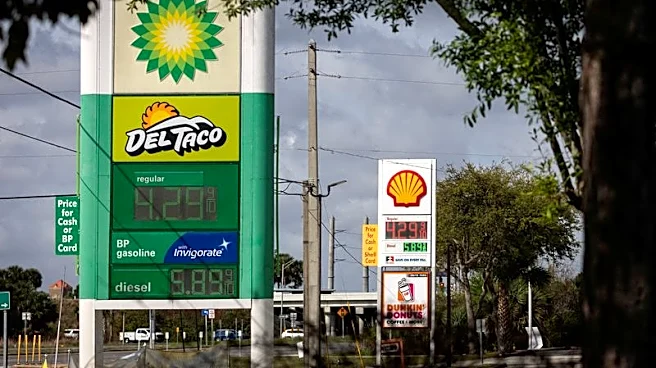
Opponents say the bill will raise fuel costs for consumers at a time when gasoline and diesel prices are already nearing record highs. Environmental groups, like the Green Scissors coalition, are also opposed, sending a letter to Congress on Monday saying E15 can worsen air, soil, and water quality, and cost taxpayers "single-digit billions."
"I am convinced that this will increase costs at the pump for all Americans, whether they are driving a car or operating a tractor in a field," Brecheen said on X, arguing it would lead to closures of refineries in Oklahoma, a refining state, if exemptions are tightened.
The Small Refineries of America, which represents 12 refineries, said stricter rules on exemptions would also take away important relief that Congress included in the program to help small refineries deal with the compliance costs of blending biofuels into the nation's fuel supply.
"If this bill goes through you are likely to see substantial impact, potentially including closures or layoffs. For some of these refiners the exemptions are everything," said Peter Whitfield, a lawyer at Sidley Austin LLP which represents the group, adding that fewer refineries would reduce fuel availability and drive up costs for consumers.
The Renewable Fuels Association (RFA), which represents biofuel producers, said E15 can reduce costs at the pump, noting it typically sells for 15-40 cents per gallon less than the currently available standard E10 gasoline, also known as regular unleaded, and $1 cheaper or more than ethanol-free gasoline.
"When it comes to E15, you should believe your eyes," RFA's Chief Executive Officer, Geoff Cooper, wrote in a blog post on Wednesday, last week.
(Reporting by Siddharth Cavale in New York and Jarrett Renshaw in Washington; Editing by Chizu Nomiyama )