
By Rae Wee
SINGAPORE, March 24 (Reuters) - Asian stocks rallied, oil prices nursed losses and the dollar wobbled on Tuesday after U.S. President Donald Trump postponed the bombing of Iran's power grid, allaying fear of a deeper energy shock.
Markets were taken on a rollercoaster ride at the start of the week after Trump added five days to his Saturday ultimatum for Iran to reopen the Strait of Hormuz within 48 hours, citing productive talks with unidentified Iranian officials, which Tehran has denied.
"It's a negotiating tactic... I don't think that the U.S. administration wants to see oil at $150 because they themselves provoked it," said Rajeev De Mello, chief investment officer at GAMA Asset Management.
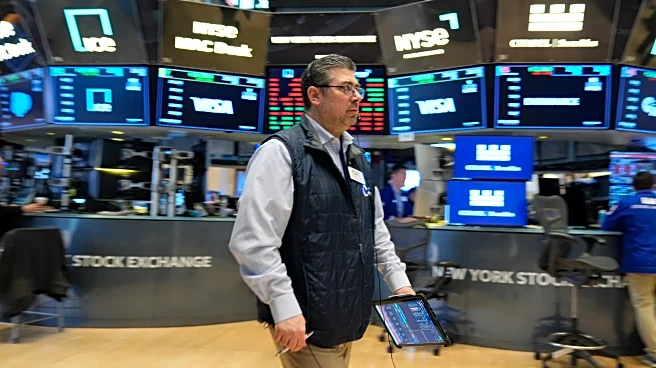
Traders were quick to react to the reversal, sending crude futures tumbling and shares surging, while the dollar and government bond yields fell.
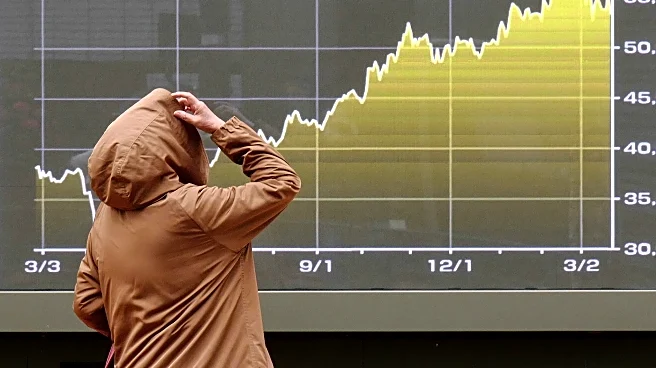
Most of the movement carried over to the Asian trading session on Tuesday, with MSCI's broadest index of Asia-Pacific shares outside Japan rising 1.3%, while shares in Australia were up 0.7%.
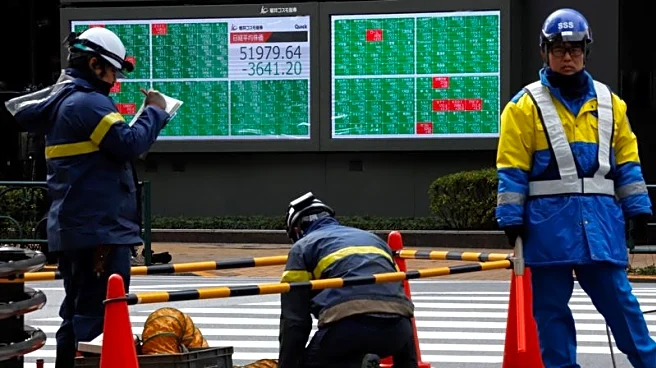
Japan's Nikkei advanced more than 2%, reversing most of Monday's 3.5% decline.
U.S. futures were little changed after ending Monday's cash session higher.
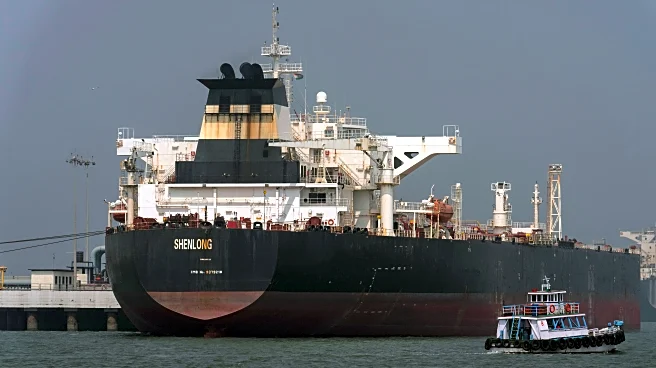
Oil prices meanwhile edged higher on Tuesday after sliding 10% in the previous session. Brent crude futures were up 1% at $100.94 a barrel, while U.S. crude rose 1.9% to $89.84.
Still, movement was highly volatile as war in the Middle East dragged on and the prospect of higher-for-longer energy prices lingered.
"Markets are not out of the woods," said Chris Weston, head of research at Pepperstone.
"Price action could remain choppy into Friday's revised deadline... The key question is whether participants see this as a genuine extension that brings a deal closer, or simply a delay that prolongs uncertainty."
PARING RATE HIKE EXPECTATIONS
Yields on U.S. Treasuries steadied on Tuesday after a sharp fall overnight, in line with a decline in global bond yields as investors trimmed bets of aggressive interest rate increases by major central banks this year.
The two-year yield was little changed at 3.8498%, having fallen more than 6 basis points in the previous session. The benchmark 10-year yield was last at 4.3400%.
While traders have priced out the small chance that the U.S. Federal Reserve could hike this year, they still expect rates to be left on hold.
The Bank of England is now seen raising rates just twice this year, compared to four previously, while market expectations for hikes from the European Central Bank have also been pared back.
"Unless the Strait (of Hormuz) is reopened very quickly, we are still more likely than not to see higher interest rates and a meaningful increase in oil importers' costs in the coming weeks," said Kit Juckes, head of FX strategy at Societe Generale.
In currencies, the U.S. dollar was on the back foot after falling on Monday, as a pick up in risk sentiment reduced demand for the safe haven currency.
The euro last traded at $1.1603, having risen 0.4% overnight, while sterling held near Monday's two-week top and was last at $1.3420.
Against the yen, the dollar was up 0.04% at 158.54.
Data on Tuesday showed Japan's core consumer inflation rate hit 1.6% in February to slide below the Bank of Japan's 2% target for the first time in nearly four years, complicating the bank's efforts to justify further interest rate hikes.
Spot gold was up 0.6% at $4,431.65 an ounce. [GOL/]
(Reporting by Rae Wee; Editing by Christopher Cushing)