





By Roberto Samora
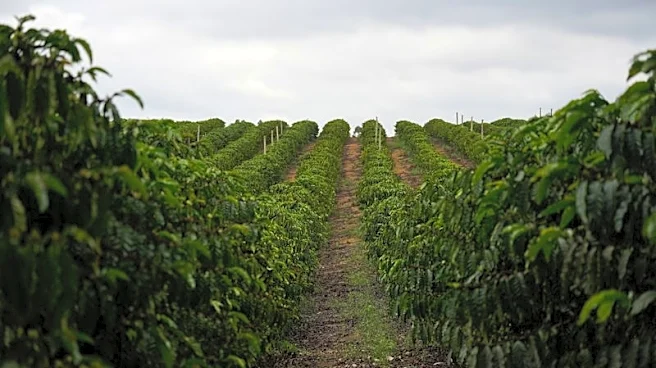
SANTOS, Brazil, May 20 (Reuters) - Brazil will export a record volume of coffee in the new crop year that starts in July because of likely all-time-high coffee production, an executive for EISA, the Brazilian arm of global soft commodities trader ECOM, said on Wednesday.
Farmers and traders, however, will closely watch the development of the weather anomaly El Nino for any potential impact on the next crop, EISA's director Carlos Santana told Reuters on the sidelines of a coffee conference
in the port city of Santos.
"Maybe in July, or August, we are going to start to see this," Santana said about larger volumes of coffee shipments from the world's largest grower and exporter. He said farmers would be incentivized to sell quickly since the market is inverted, meaning there are higher prices now than in the future, and estimated exports of green coffee would probably reach around 50 million 60-kg bags.
Brazil last hit a record export volume in 2024 with 46.3 million bags of green coffee, according to industry group CECAFE.
The executive from EISA, one of the largest exporters of Brazilian coffee, estimated that around 5% of the Brazilian crop this year had been collected.
EISA estimated earlier in the year that Brazil would produce 75.8 million 60-kg bags of coffee in 2026/27, from July to June.
Santana said Brazilian shipments would help to replenish stocks in consuming countries, which are at historically low levels after production shortfalls in some of the top growing countries in previous years that caused coffee prices to spike.
He also said that the El Nino weather event could impact prospects for next year's crop in Brazil.
While El Nino could have a positive aspect because its warmer conditions may prevent frosts occurring, Santana said the heat could potentially hurt the coffee flowering stage that happens around September or October.
Santana said he believed El Nino would eventually influence farmers' selling strategies further ahead. If it proves more negative than positive for coffee trees, producers could reduce their selling pace.
(Reporting by Roberto Samora, writing by Marcelo Teixeira in New York; Editing by Nia Williams)