




By Scott DiSavino
NEW YORK, Sept 24 (Reuters) - Oil prices rose about 2% on Thursday after a Houthi missile attack on Saudi Arabia revived supply disruption fears, but pared earlier gains on reports the US and Iran discussed reopening the Strait of Hormuz.
Brent futures rose $2.04, or 2.0%, to $105.12 a barrel at 12:29 p.m. EDT (1629 GMT), while US West Texas Intermediate crude rose $1.99, or 2.2%, to $94.15.
Earlier in the day, both crude benchmarks were up about 5%, with WTI on track to rise for the first
time in seven days after falling about 13% over the prior six days.
US and Iranian negotiators in New York are exploring a phased path out of war that would involve Tehran reopening the Strait of Hormuz and Washington lifting its economic blockade of Iran, sources close to the talks said.
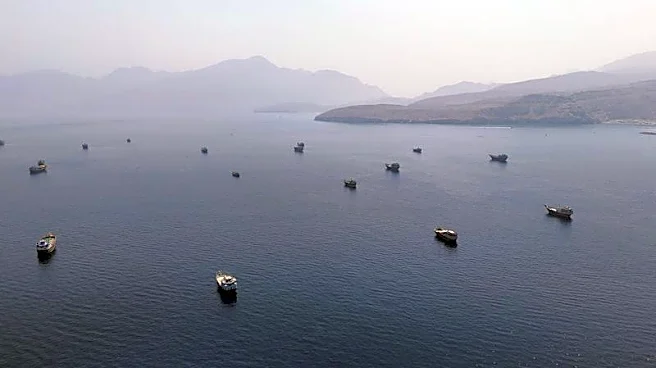
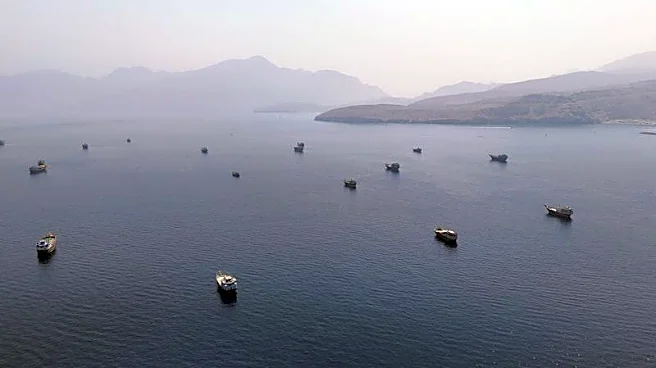
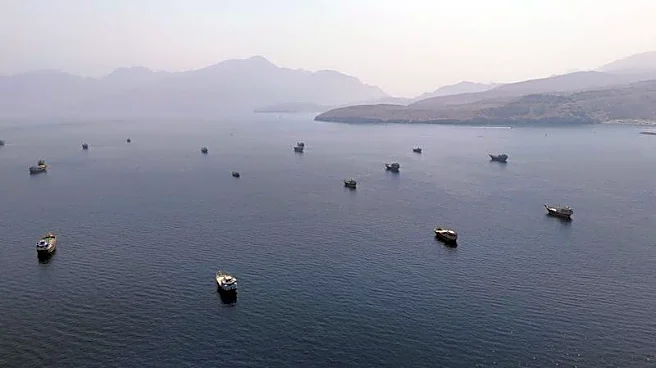
The strait has become the central bargaining chip in efforts to end the nearly seven-month US-Iran conflict, with Iran seeking relief from the US blockade that is choking its economy and Washington seeking free passage for ships on the global oil supply route now blocked by Tehran.
The talks, however, face a big obstacle as neither side wants to be the first to surrender its leverage, according to comments to Reuters by two Iranian sources, two regional officials and two Western diplomatic sources.
MISSILES STILL FLYING
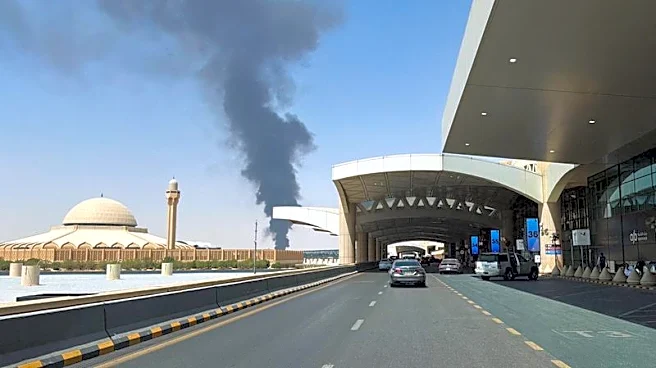
Saudi Arabia intercepted six ballistic missiles fired by Yemen's Iran-backed Houthis on Thursday, thwarting attacks on the southern province of Taif and Yanbu area on the Red Sea, the Saudi-led coalition in Yemen said.
Iranian flights to Gulf neighbors, including travel hub Dubai, appeared to have been canceled on Thursday after a US deadline passed for global firms to halt work with Iran's airlines, a major step in a campaign US President Donald Trump calls "economic D-Day."
With the US-Israeli war against Iran largely stalemated for months on the battlefield, Washington has announced a shift in tactics to extend the reach of its financial sanctions by targeting companies from third countries that do business with Iranian firms, a practice known as "secondary sanctions".
Iran threatened on Wednesday to retaliate against any neighboring countries that comply with the US ban on its flights, by making their airports "unusable".
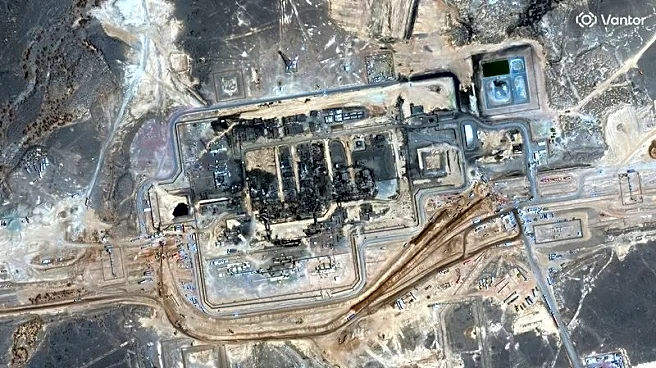
Separately, Saudi Arabia is building up crude pumping volumes through its East-West Pipeline that runs to its Red Sea export hub of Yanbu, although crude tanker loadings have yet to resume, according to industry sources, satellite imagery and shipping data.
DIESEL PRICES
With diesel prices hitting record highs in recent weeks due to supply disruptions in Russia and the Middle East, high-level contacts between the European Union and the United States are ongoing amid a reported US plan to ban diesel exports that the EU believes would potentially have a negative impact on both sides.
Moscow has imposed an export ban due to Ukrainian attacks on Russian refineries and other energy infrastructure and Iranian attacks on ships and other energy infrastructure in the Middle East.
Politico reported that the US was preparing a 90-day ban on diesel exports amid a spike in prices ahead of the November midterm elections, though US Energy Secretary Chris Wright has disputed that.
Analysts and market watchers have warned a US diesel export ban would do little to ease high energy prices and could worsen global supplies and further disrupt economies.
(Reporting by Scott DiSavino in New York, Enes Tunagur in London and Jeslyn Lerh in Singapore. Additional reporting by Stephanie Kelly in London and Arathy Somasekhar in Houston. Editing by Mark Potter, Kirsten Donovan, Nia Williams and Sanjeev Miglani)