


By Scott DiSavino
Oct 13 (Reuters) - Oil prices eased on Tuesday as hopes the US-Russia diesel deal could free up more supplies from Moscow offset attacks in Saudi Arabia and Yemen that could result in additional supply disruptions.
Brent futures were down 67 cents, or 0.6%, at $105.98 per barrel at 10:20 a.m. EDT (1420 GMT), while US West Texas Intermediate crude futures held steady at $93.74.
On Monday, Brent closed at its highest since September 15 and WTI closed at its highest since September 24.
The Kremlin said on Tuesday that it did not see any direct link between a deal on exporting Russian diesel to the US and Moscow's own stance on the Ukraine peace talks.
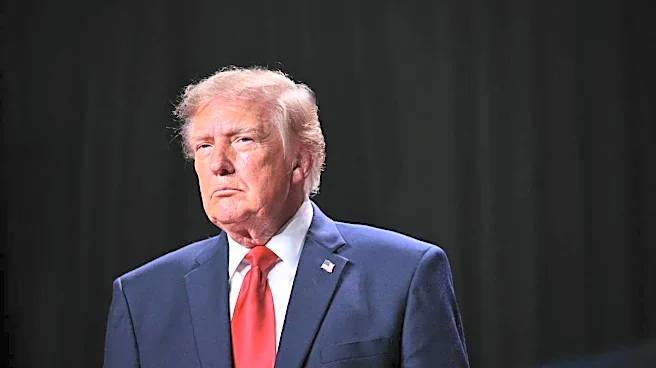
It was commenting on a Reuters source-based story, which reported that US President Donald Trump's envoys had told Ukrainian officials on Friday that the deal to allow Russian diesel exports was part of an attempt to draw Russia back into negotiations over a possible peace settlement in Ukraine.
Russia was the world's third-biggest crude oil producer behind the US and Saudi Arabia in 2025, according to US energy data. Sanctions designed to keep Russian energy out of global markets have helped support oil prices since Russia invaded Ukraine in 2022.
Any deal to end the Russia-Ukraine war could allow Russia to export more energy.
The UK's domestic spy chief, meanwhile, said on Tuesday that Russia and Iran were stepping up hybrid warfare campaigns in Britain.
MIDDLE EAST ATTACKS
A Saudi-led coalition urged civilians on Tuesday to evacuate the Yemen Oil Company's Sabah central station in the capital Sanaa ahead of a planned military operation.
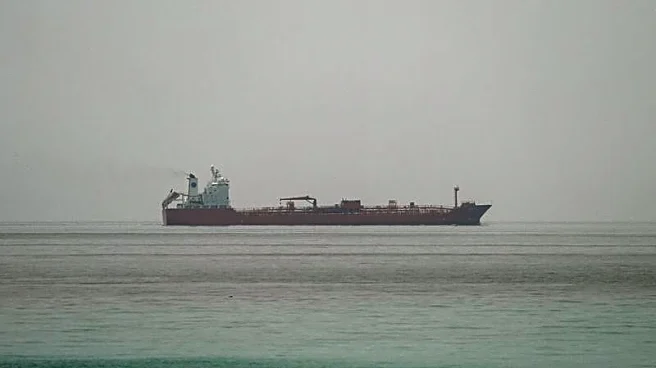
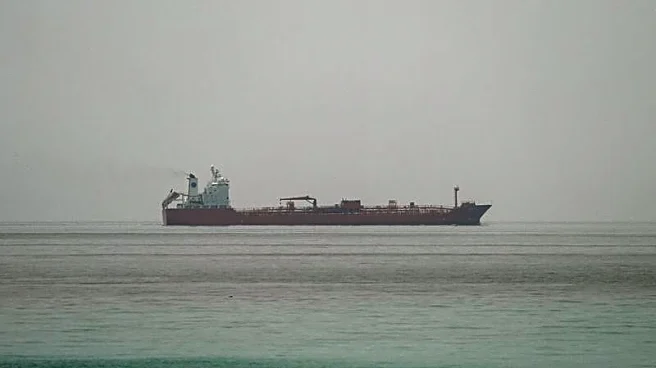
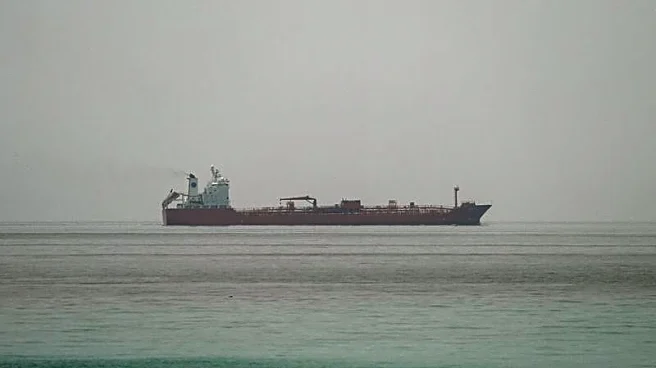
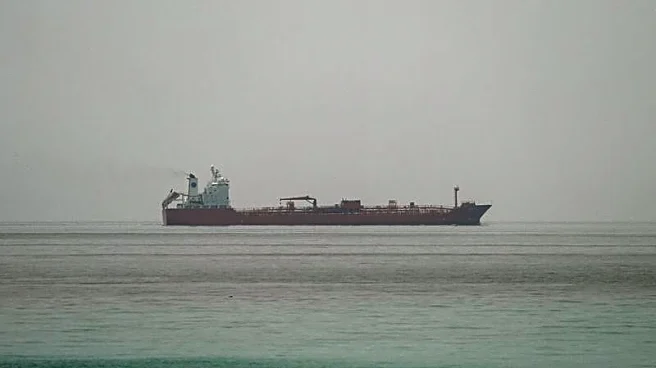
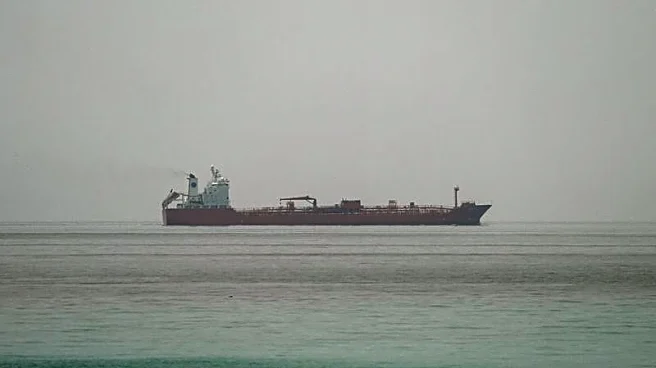
Concerns over the vulnerability of Gulf energy infrastructure and shipping lanes remained in focus after Iran-aligned Houthis struck Riyadh's international airport over the weekend, while tanker attacks were reported near the Strait of Hormuz.
Despite ongoing disruptions of shipments through the Strait of Hormuz during the Iran war, however, oil producer group OPEC+ posted a sharp gain in production in September, OPEC said on Tuesday, driven by an increase from Saudi Arabia.
About 20% of global oil supplies passed through the Strait of Hormuz before the US and Israel attacked Iran in February.
OPEC+, which includes the Organization of the Petroleum Exporting Countries and allies like Russia, pumped an average of 39.07 million barrels per day in September, OPEC said in a monthly report, up about 900,000 bpd from August.
ECONOMIC GROWTH AROUND THE WORLD
The International Monetary Fund flagged significant growth and financial stability risks from a potential ending of the AI investment boom, growing debt levels and a prolonged Middle East conflict.
In Japan, the second-biggest economy in Asia behind China, wholesale prices rose 6.8% in the year to September, according to data released on Tuesday, slowing from the previous month but highlighting mounting inflationary pressure that keeps alive market expectations of a near-term interest rate hike.
In the US, the Consumer Price Index is due on Wednesday, and the Producer Price Index report is scheduled for Thursday.
Currently, traders see only a 19% chance of a US Federal Reserve rate hike this month, but are pricing in an 85% chance of a December increase, according to CME's FedWatch tool.
Central banks like the US Fed use interest rates to control inflation. Higher interest rates boost costs for consumers, which can reduce economic growth and demand for oil.
(Reporting by Scott DiSavino in New York, Seher Dareen and Enes Tunagur in London, Anjana Anil in Bengaluru and Trixie Yap in Singapore; Editing by Louise Heavens and Jan Harvey)