
By Helen Clark
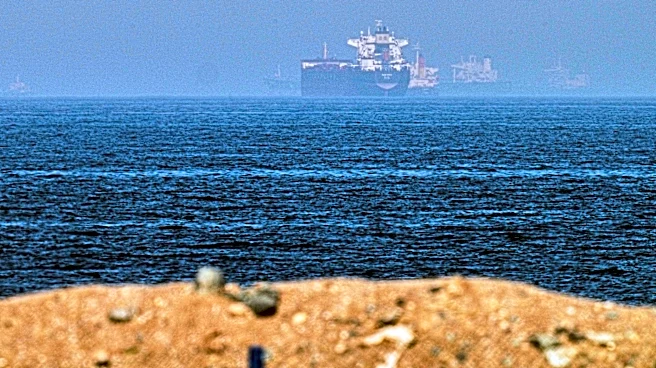
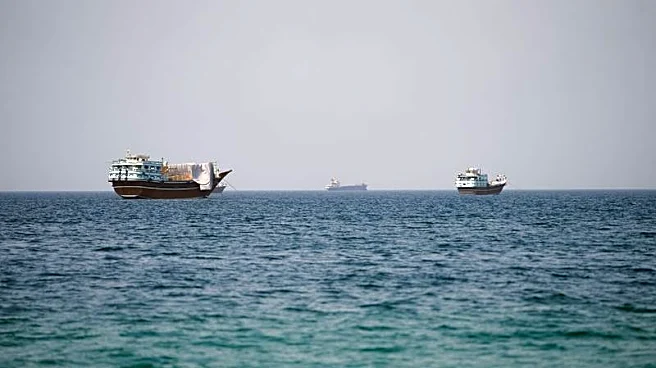
PERTH, Aug 7 (Reuters) - Oil continued its rise on Friday amid further concerns around the opening of the Strait of Hormuz as Iran, working with Oman, suggested banning vessels deemed hostile from the strait and heavily fining those who violated the proposed rules.
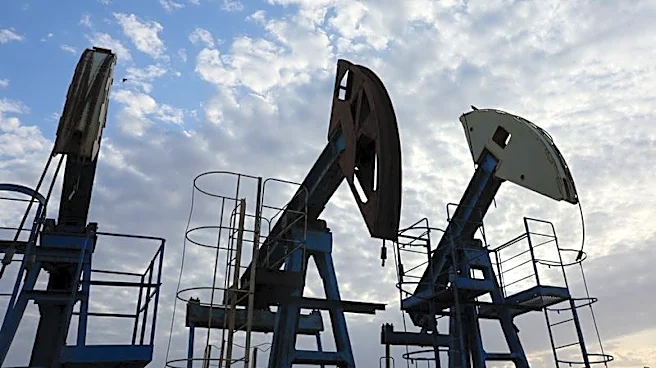
Brent crude futures rose 99 cents, or 1.2%, to $83.48 a barrel by 0010 GMT. U.S. West Texas Intermediate futures rose 85 cents, or 1.1%, to $78.84.
Oil futures settled up at over $3 a barrel on Thursday as Iran reviewed a bill
to ban U.S. and Israeli vessels from the Strait of Hormuz where roughly a fifth of the world’s oil and liquefied natural gas transmitted before the war began at the end of February.
Prices fell earlier in the week as a possible solution to the ongoing conflict looked more likely but benchmark Brent breached $80 on Thursday after falling below that for the first time since July 13.
"Markets have already seen at least one short-lived arrangement earlier this year, so confidence that a new pact would fully restore normal tanker movements remains low," said Tim Waterer, chief market analyst at KCM Trade, noting skepticism had put a floor under prices.
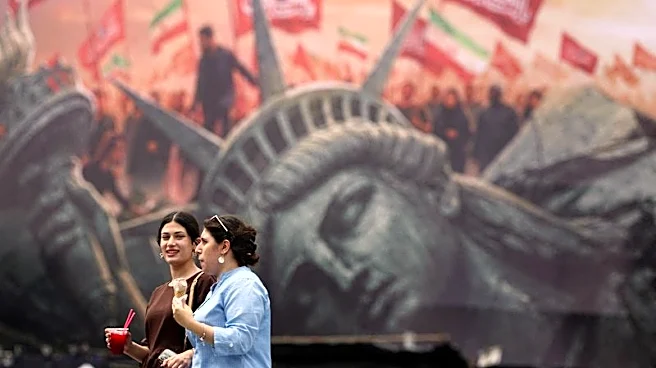
An Iranian lawmaker said a parliamentary committee is reviewing a preliminary bill to ban U.S., Israeli and other vessels deemed hostile from the Strait of Hormuz, and fine violators of the proposed restrictions up to 20% of cargo value, according to Fars news agency.
Iran is seeking fees of between 5% and 7% of the price of cargoes from ships using the strait, according to the senior Iranian official. Oman is discussing fees of around 3%, while Washington wants no fees at all.
Four industry sources have said the proposed deal is not easily workable due to U.S. sanctions and restrictive insurance clauses on any payments.
Meanwhile, Yemen's Houthis said they carried out missile and drone attacks on "Saudi deployments" in Marib and Hadramout in Yemen on Thursday.
U.S. President Donald Trump on Thursday told reporters that he believed the war would be over soon.
(Reporting by Helen Clark; Editing by Stephen Coates)