
By Rajesh Kumar Singh
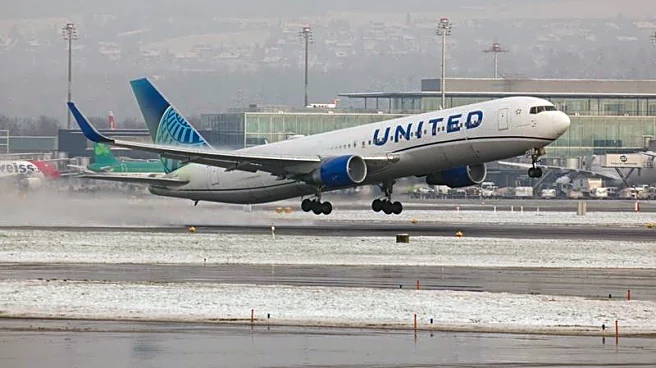
CHICAGO, April 22 (Reuters) - United Airlines CEO Scott Kirby said on Wednesday ticket prices may need to rise by as much as 15% to 20% to offset a surge in jet fuel costs, signaling
a significant test of consumers' willingness to absorb higher fares as the industry grapples with volatile oil prices.
On the company's earnings call, Kirby said that United is aiming to recover the full increase in fuel costs "as quickly as possible" and expects to move toward a 100% pass-through, as it targets double-digit pre-tax margins next year.
"Yields need to increase by about 15% to 20%," Kirby said, adding the company is assuming fuel prices could remain elevated for longer.
The comments come after United forecast second-quarter and full-year profits below Wall Street estimates as higher jet fuel prices squeeze margins and cloud its near-term outlook, even as demand for premium travel stays robust.
United's shares were down about 6% in morning trade.
The Chicago-based carrier said its forecast was based on the Gulf Coast jet fuel forward curve as of April 17, warning results could land at either end of its guidance depending on how fuel prices move.
The airline expects to pay about $4.30 per gallon for fuel in the current quarter, underscoring the pressure from higher energy costs.
United said it has already begun raising prices, implementing five fare increases late in the first quarter along with higher baggage fees, which have started to offset rising fuel costs.
It expects to recover only 40% to 50% of the increase in fuel prices through fares and other revenue measures in the second quarter, improving to 70% to 80% in the third quarter and as much as 85% to 100% by the fourth quarter.
Company executives said ticket yields rose about 12% in early March and climbed further to around 18% in the second half of the month.
Kirby said the airline has not yet seen a drop in demand, even as prices rise, but acknowledged that higher fares would eventually test consumers.
"As yields increase, there will be an elasticity effect on demand," he said.
(Reporting by Rajesh Kumar Singh; Editing by Aurora Ellis)