




By Daniel Leussink
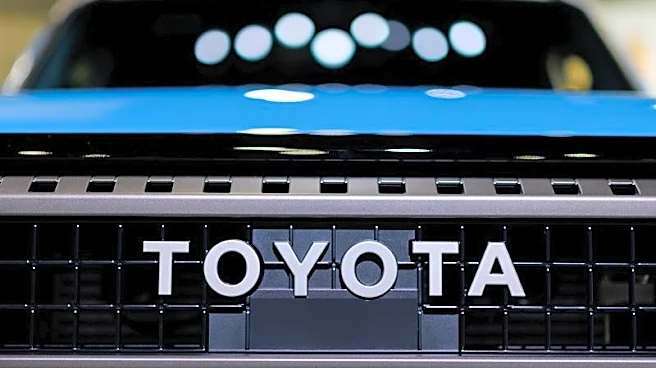
TOKYO, Aug 4 (Reuters) - Toyota, the world's biggest automaker, on Tuesday raised its annual operating profit forecast by 13% to reflect a much softer yen and announced a share buyback of up to 1 trillion yen ($6.3 billion).
But some fundamentals remained weak with Toyota reporting a 9% slide in first-quarter operating profit, its fifth straight quarter of decline and somewhat below expectations. It has been hurt by slumping sales in China, while the Iran war has battered sales in the Middle
East and led to increased costs for raw materials and parts.
Toyota also noted that its upward revision did not take into account the impact of a deadly earthquake that struck Japan's Kyushu island last week, forcing it to halt output at four domestic plants. Shares in the automaker closed down 1.5%, which some analysts attributed to disappointment in the size of the share buyback.
After sharply revising down its average yen assumptions to 160 yen to the dollar from 150 yen, the Japanese automaker now expects 3.4 trillion yen ($21.6 billion) in operating profit for the year to end-March. That figure is, however, still 10% lower than the past financial year.
After U.S.-Japan joint yen-buying intervention late last week, the yen was trading around 157 yen to the dollar on Tuesday, up from lows near 164 last month.
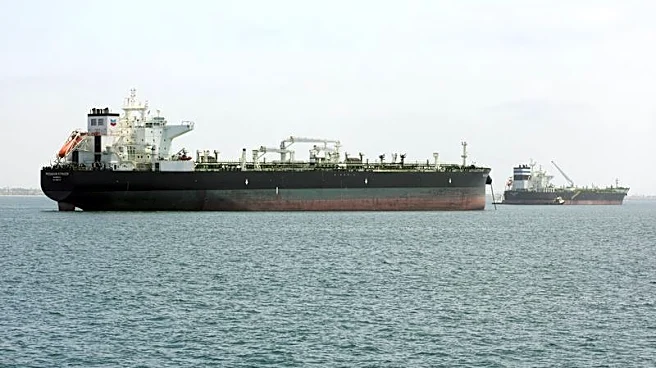
Toyota has also now switched to overland routes to ship cars to the Middle East that bypass the Strait of Hormuz, helping support earnings.
It lowered its estimate of the impact of the Iran war — which includes higher costs for raw materials such as aluminium, delivery delays, lower sales volumes and support for suppliers — to 510 billion yen this fiscal year from its previous forecast of 670 billion yen. Even so, that remains one of the largest hits to earnings from the war disclosed by a global company to date.
CHINA, MIDDLE EAST SALES SLIDE
Overall, Toyota's global sales fell 3.5% during the quarter. It has been hit particularly hard in China, the world's largest car market, where its sales tumbled 28%.
Like many foreign automakers there, it has seen sales suffer on slower economic growth, a marked shift towards domestic electric vehicle brands, which have gained the upper hand with snazzy features — one that has only gained momentum as the Iran war pushes gasoline prices higher.
Sales in the Middle East plunged by a third due to the war. The new routes to transport vehicles mean that from September, the automaker now expects 25% of its exports to the region to be affected, which compares with an initial estimate of 50% for the full year.
In the U.S., Toyota's biggest market, sales were up a mere 1%, with the automaker lagging Ford, GM and Stellantis, which have benefited from strong demand for high-margin pickup trucks.
Toyota's plans to buy back shares worth up to 1 trillion yen are equivalent to as much as 4.22% of outstanding stock. It also plans to cancel 200 million shares.
"The scale of the buyback was somewhat disappointing to some," said Macquarie analyst James Hong, adding Toyota was sitting on 15 trillion yen of net cash and its stock was trading below book value, which had created expectations of bigger shareholder returns.
The automaker raised its annual vehicle sales target by 100,000 units to 9.7 million, citing solid demand in North America and Europe.
Toyota, which plans a 10% jump in hybrid car sales to 5 million units this financial year, said it would expand battery production capacity to meet demand and gradually shift from nickel-metal hydride batteries to lithium-ion technology. The change will improve performance while lowering costs by several tens of thousands of yen per vehicle, it added.
Shares in Toyota have lost 13% this year as automakers grapple with challenges from the Iran war and last week's quake.
($1 = 157.4900 yen)
(Reporting by Daniel Leussink; Writing by Miyoung Kim; Editing by Edwina Gibbs)