




By Saqib Iqbal Ahmed
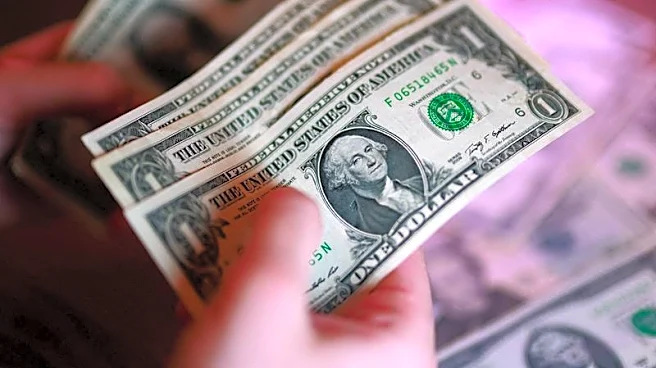
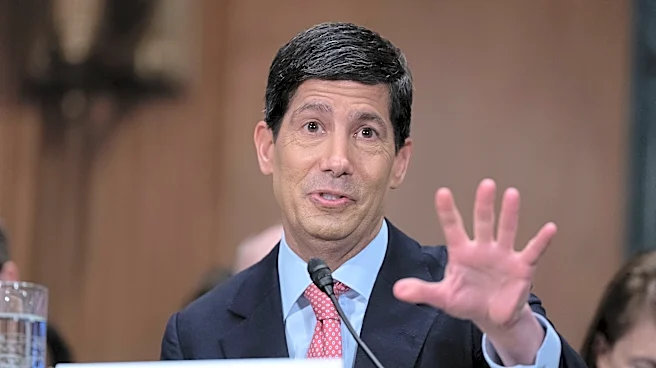
NEW YORK, July 29 (Reuters) - The U.S. dollar fell across the board on Wednesday after the Federal Reserve held interest rates steady, a choice that may intensify questions about how U.S. central bank chief Kevin Warsh will deliver on his commitment to bring inflation back down to the 2% target.
The widely expected decision to leave the benchmark interest rate in the 3.50%-3.75% range drew dissents from three of the 12 members of the policy-setting Federal Open Market Committee
who "preferred" a quarter-percentage-point hike at this meeting.
In leaving the policy rate pinned in the range it has been since December, Fed policymakers are embracing the idea that current borrowing costs are creating enough friction in the economy to reduce any inflation that isn't, like the effect of tariffs on goods prices, expected to fade on its own.
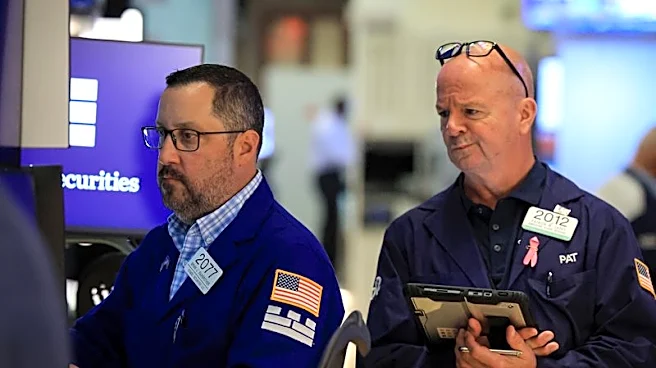
"Thus far, very dollar-negative decision, but in previous meetings, the first reaction may be the wrong one," said Juan Perez, director of trading at Monex USA in Washington.
"We believe that for the remainder of the year, the Fed will hesitate and not hike rates," he said.
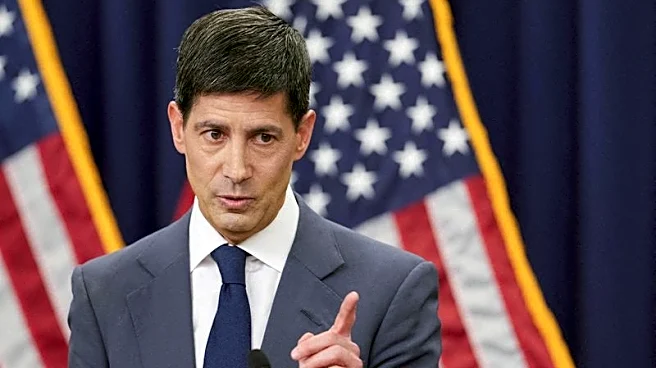
Referring to the three dissenting votes favoring rate hikes versus the Federal Open Market Committee decision to hold the federal funds rate steady, Warsh said at a press conference that "I asked for a good family fight, and I got one. That's the purpose. That's the design feature," adding "there was a large majority support for the decision that we made in the room."
The dollar index, which tracks the U.S. currency against a basket of six others, fell 0.3% to 101.07. The euro rose 0.4% to $1.14315, while sterling rose 0.4% to $1.3342.
"We expect Warsh to remain vigilant about inflation but to acknowledge that the recent subdued inflation prints could indicate the possibility that the current stance of policy is appropriate, which is also our view," said Christopher Hodge, chief U.S. economist at Natixis.
"If that is not the case, the Fed stands ready to stamp out any price pressures," Hodge said.
Meanwhile, hostilities in the Middle East flared anew, sending oil prices higher, after joint strikes by U.S. and Saudi Arabia on Iran-backed groups in Iraq.
The strikes came hours after the U.S. military said it had averted a surprise Iranian attack on U.S. troops in the region.
The dollar fell 0.3% against the yen to 163.35, but remained not far from a 40-year high and kept traders on alert for potential intervention from Japanese authorities to support it.
The Bank of Japan is set to keep interest rates steady on Friday but leave scope for further hikes with hawkish communication, as the economy faces mounting inflationary pressure from the Middle East war, a weak yen and robust global AI demand.
"Comments from the MoF have shifted from intervention-related threats to growth-oriented tax cuts," Shaun Osborne, chief currency strategist at Scotiabank, said in a note.
"We see considerable risk into the end of the week, and note the potential for domestically-driven strength if BoJ policymakers deliver a hawkish hold and seek to build on the 25 bpts of tightening (by December) currently priced into the short-term rates market," Osborne wrote.
In cryptocurrencies, bitcoin rose about 1% to $64,435.
(Reporting by Saqib Iqbal Ahmed in new york; Additional reporting by Saeed Azhar in new York, Rae Wee in Singapore and Siddarth S in Bengaluru; Editing by Arun Koyyur, David Holmes and Nick Zieminski)