






By James Davey and Raechel Thankam Job
LONDON, May 29 (Reuters) - British supermarket group Asda has struck a partnership with technology firm Ocado to overhaul its online business across the UK as it seeks to stem market share losses, the companies said on Friday.
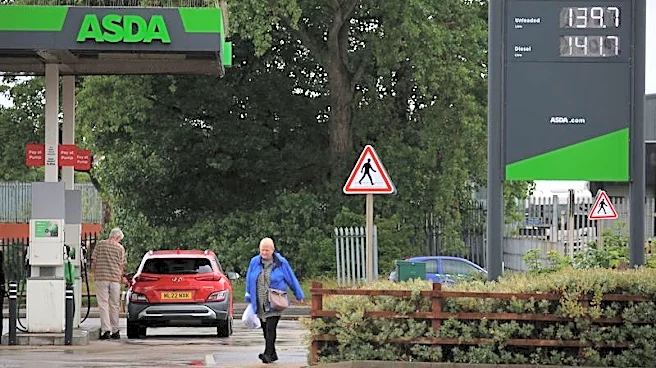
Asda, majority owned by private equity firm TDR Capital, is Britain's third-largest grocer but has been losing ground to rivals including industry leader Tesco, number two Sainsbury's and discounters Lidl and Aldi.
Asda trades from about
1,100 stores and already runs a sizeable online grocery business, handling more than 700,000 e-commerce orders a week.
REPLACE AND UPGRADE
Under the deal, Asda will replace and upgrade its existing e-commerce infrastructure using Ocado's technology, with solutions rolled out across stores and "dark stores" - which fulfil online orders and are not open to the public - from 2027.
"These solutions include Ocado's front-end (webshop), in-store fulfilment, and software to support last mile planning and route efficiency," the companies said.
The partnership will allow Asda to offer a full range of online services, including scheduled and short lead-time orders, as well as click and collect. Asda will also use Ocado’s platform to fulfil and deliver orders placed through aggregators such as Uber Eats, Deliveroo and Just Eat.
"Partnering with Ocado will strengthen our online offer," Allan Leighton, Asda's executive chairman, said.
Ocado already has a UK partnership with Morrisons, the number six grocer, and a 50% stake in Ocado Retail, its online delivery joint venture with Marks & Spencer.
Ocado shares were up 12% in early trading, paring losses over the last year to 10.7%.
The Asda deal is a boost for Ocado after a major setback last year, when its North American partners - Kroger in the U.S. and Sobeys in Canada - said they would close robotic customer fulfilment centres, citing weaker-than-expected demand.
Ocado said the Asda deal is not expected to have a material financial impact in its 2025/26 year. It reiterated that it expects to turn cash-flow positive in the second half of 2025/26 and for the full year in 2026/27.
(Reporting by James Davey in London and Raechel Thankam Job in Bengaluru. Editing by Kate Holton and Mark Potter)