




By Arathy Somasekhar
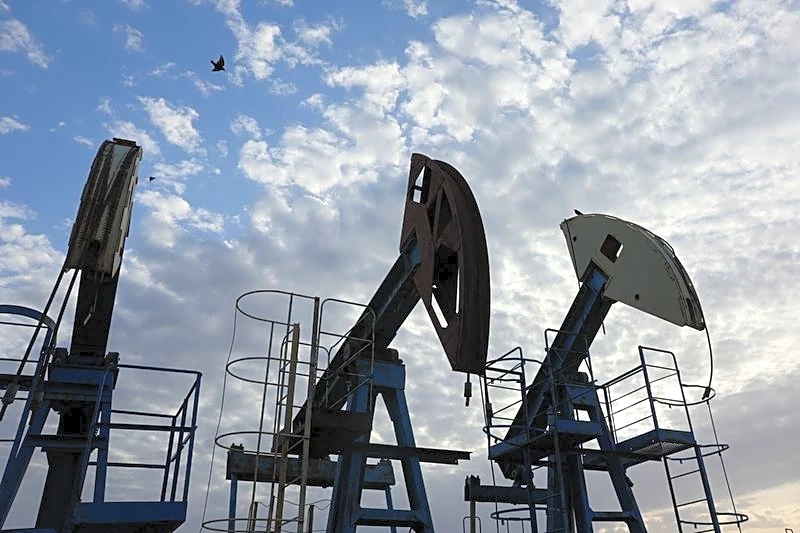
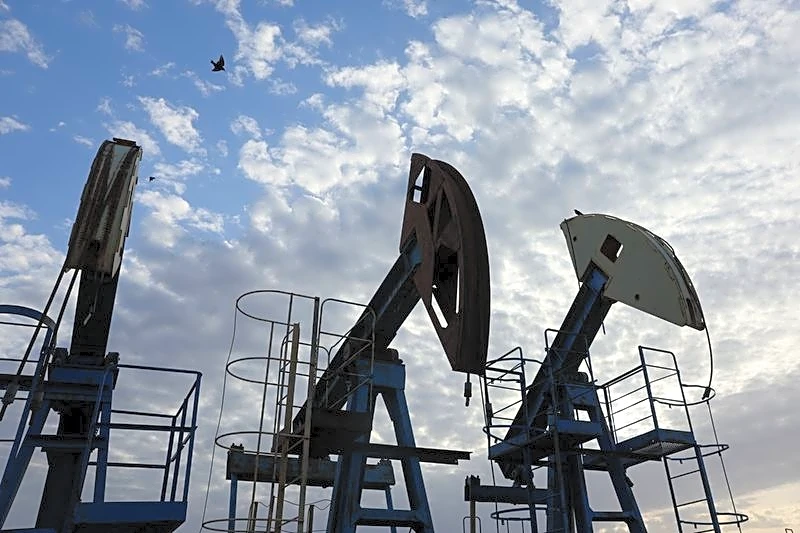
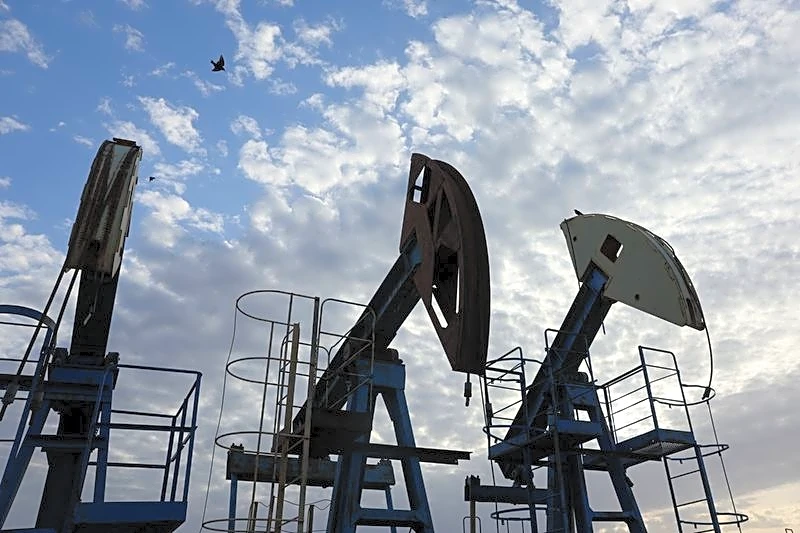
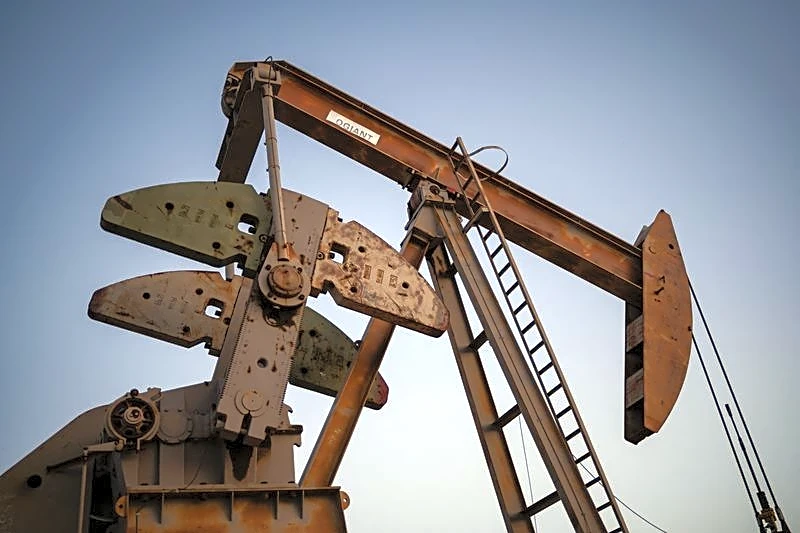
HOUSTON, Oct 21 (Reuters) - Oil prices were little changed on Wednesday as investors weighed possible progress toward Russia-Ukraine talks against declining US oil stocks and a lack of US-Iran dialogue.
Brent crude futures gained 27 cents, or 0.2%, to $109.04 a barrel by 10:50 a.m. ET (1450 GMT). US West Texas Intermediate crude was down 11 cents, or 0.1%, to $97.72.
Both benchmarks had gained as much as $2 earlier in the session, with Brent hovering near five-month highs.
In the
previous session, Brent hit its highest in five months while WTI touched a six-month peak before prices fell on a discussion about mediation efforts in a meeting between Iran's president and Pakistan's army chief in Tehran.
"Crude futures are trading both sides of unchanged this morning but well below the overnight highs as attacks in the Strait of Hormuz look to be continuing with at least two more ships being struck overnight," said Dennis Kissler, senior vice president of trading at BOK Financial, in a note to clients.
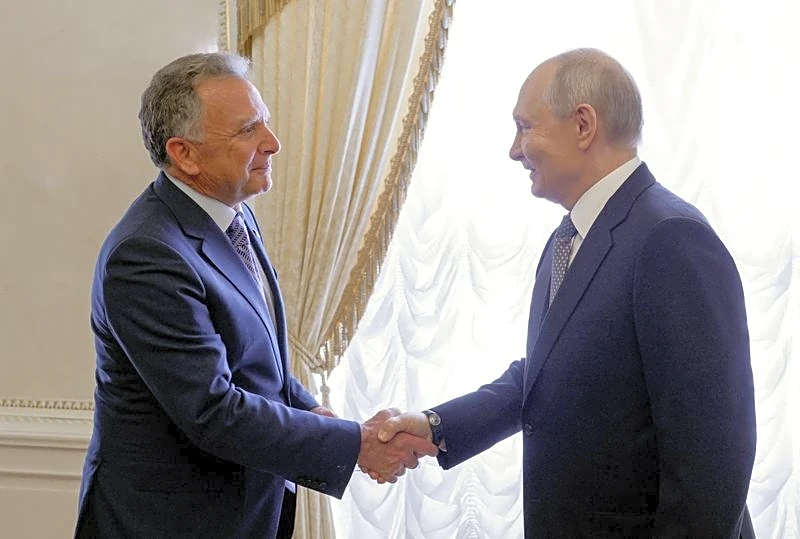
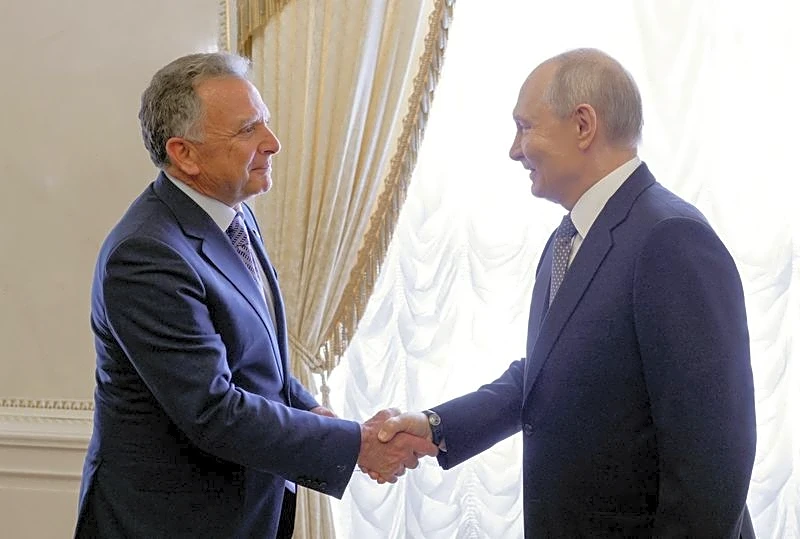
Russian President Vladimir Putin has agreed to resume US-mediated peace talks with Ukraine as soon as next month, the Kremlin said, after Putin met US envoy Steve Witkoff in Washington's latest push to stop Europe's bloodiest conflict since World War Two.
"The ongoing talks between the US & Russia for a possible Ukraine peace deal has been the negative to crude prices lately as talks look to be progressing at least for now ... a peace deal between Ukraine & Russia could unlock the tight global diesel supplies that have been a major contributor to the crude bulls the past few weeks," Kissler added.
NO US-IRAN DIALOGUE
On Wednesday, Iran's Foreign Minister Abbas Araqchi told the Financial Times that Iran was fully prepared to defend itself and President Masoud Pezeshkian told state media the US could not expect dialogue while blockading and threatening Iran.
At least 18 vessel attacks were recorded over the past two weeks, Kpler data showed, while LSEG analysts warned that Iran was targeting tankers well beyond the Strait of Hormuz, reaching into the Gulf of Oman and jeopardising Gulf crude loadings and ship-to-ship transfers supporting regional loadings.
Iran-aligned Houthis claimed responsibility on Monday for attacks on a Saudi Aramco site in Yanbu, the Shaybah oilfield and Saudi Arabia's Riyadh and Abha airports.
The Trump administration is offering to loan up to nearly a third of the 1-million-barrel US emergency heating oil reserve, the Department of Energy said on Wednesday, seeking to contain prices that have surged on diesel shortages due to the wars in Iran and Ukraine.
US crude stocks fell by 3.06 million barrels to 412.5 million barrels last week, the US Energy Information Administration said on Wednesday, compared with analysts' expectations in a Reuters poll for an 820,000-barrel draw.
Distillate stockpiles, which include diesel and heating oil, rose 1.68 million barrels in the week to 104.3 million barrels, versus expectations for a 1.16 million-barrel drop, EIA data showed.
Two US Energy Department officials said on Tuesday that they were working with refiners around the world to boost fuel output.
(Reporting by Arathy Somasekhar in Houston, Shadia Nasralla in London; Additional reporting by Colleen Howe in Beijing and Emily Chow in SingaporeEditing by Kirsten Donovan, David Goodman, Rod Nickel)