







By Robert Harvey
LONDON, June 3 (Reuters) - Many airlines have been hit hard by price swings in the jet fuel market, and some are not in a position to hedge their exposure, the International Air Transport Association's head of fuel said on Wednesday.
Some airlines with more elaborate hedging strategies get a bit of a cushion, Daniel Chereau told the S&P Global Energy Middle East Petroleum and Gas Conference. However, the impact of soaring jet fuel refinery profit margins, known as crack spreads, has
not been helpful for the airline industry, he added.
In North West Europe, the jet fuel crack spread peaked at an all-time high of over $121 per barrel in March, according to LSEG data, compared with around $30 per barrel before the outbreak of the Iran war in late February.
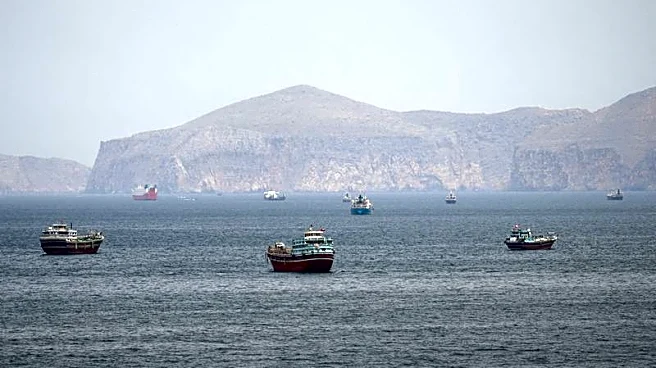
The Middle East supplies much of the world's jet fuel, but its ability to produce and export the fuel has been severely curtailed by the effective closure of the Strait of Hormuz and attacks on energy installations.
Demand destruction is appearing in the aviation sector although not necessarily due to the price of jet fuel itself, Chereau added.
Demand destruction has been caused by airlines cancelling flights, he said, while in some parts of the world airports are running dry of fuel for short periods of time.
He warned that such instances could become more frequent, and that the longer the conflict lasts, the more demand destruction could come from the passenger side.
Chereau did not name specific airlines or airports which have been worst hit.
(Reporting by Robert Harvey in London; Editing by Bernadette Baum and Joe Bavier)