





By Suzanne McGee, Caroline Valetkevitch and Shashwat Chauhan
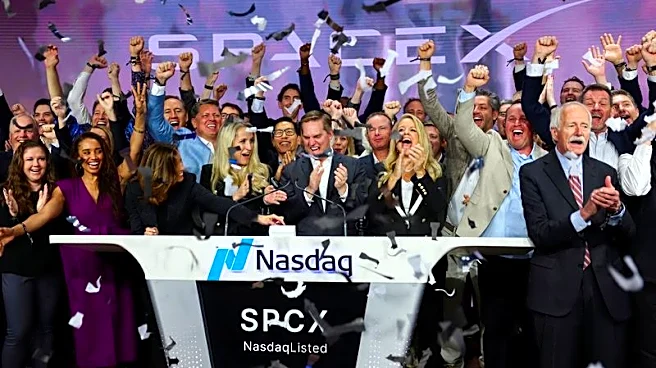
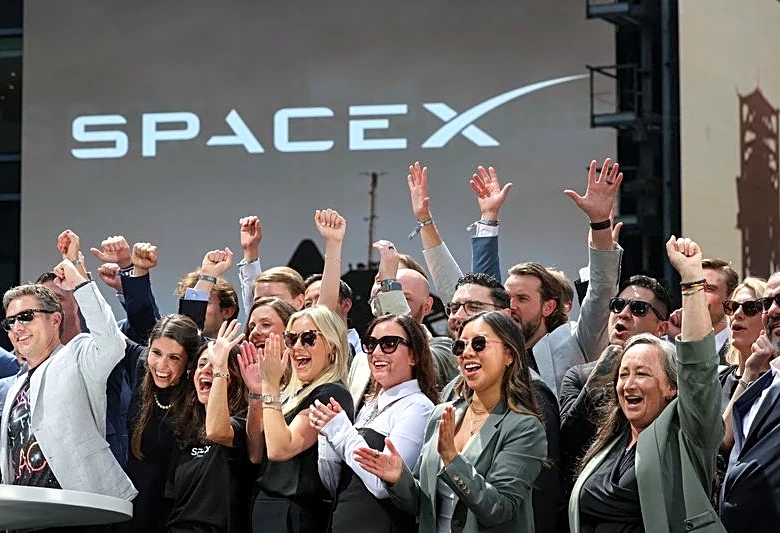
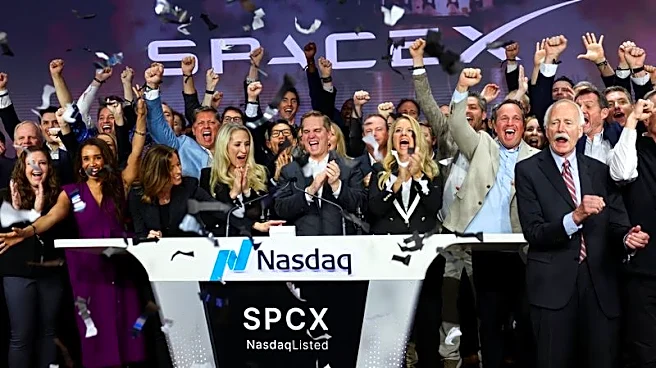
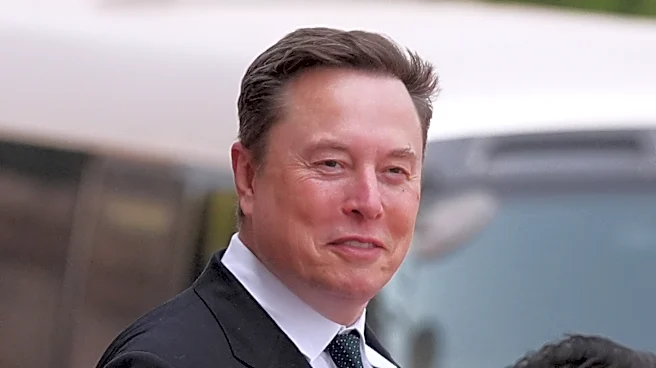
NEW YORK, June 15 (Reuters) - The SpaceX IPO went off with a bang. Now investors turn their attention to a jam-packed calendar ahead for Elon Musk's rocket, internet and AI firm that may bring volatility.
Just in the next two months, the sixth-largest U.S. listed company by market value will have a handful of events – ranging from the listing of options to the expiration of investor holding periods to index inclusion – that could help dictate
trading in its shares and the broader market.
Friday's launch of the largest-ever IPO was well managed from start to finish, investors said, drawing strong orders from retail and institutions alike and benefiting from Musk's reputation for the Midas touch. But debate continues over what the right price for the stock is and to what extent SpaceX's savvy marketing matches with its fundamentals.
"You have to look at it this way: are people actually investing in SpaceX or trading SpaceX? I am of the belief, and this is also other money managers that I'm talking to, that it's the latter," said Todd Schoenberger, chief investment officer at Crosscheck Management in Washington, D.C.
Here are some events that could help shape that argument over coming weeks:
OPTIONS TRADING
Options on SpaceX are set to begin trading as soon as Tuesday, with early activity expected to be heavy, volatile and likely expensive.
Options, which give holders the right but not the obligation to buy or sell shares at a predetermined price within a certain period, offer investors a low-cost way to play a company's stock. If SpaceX behaves like Musk's Tesla, it would be almost twice as volatile as the average stock, likely driving heavy options activity.
STOCK SALE RESTRICTIONS END
SpaceX plans to allow a large portion of its shares to become eligible for resale before the usual six-month restriction period post-IPO, under a staged system linked to the company's performance, a company filing showed.
The approach, designed to avoid a large wave of shares hitting the market at once, helps make post-IPO trading more orderly - but at the cost of potential volatility spread across the six-month period rather than a single day. Some brokers are also imposing holding periods for shares acquired on Friday.
"We got shares of SpaceX for some of our clients (on Friday), and there's a 31-day minimum holding period," said Jake Dollarhide, chief executive officer of Longbow Asset Management in Tulsa, Oklahoma. "So I think once some of those minimum holding periods end, you could see some selling pressure."
THE GREEN SHOE
The IPO includes a so-called greenshoe option, a standard feature of most large U.S. stock market listings that acts like a safety valve that keeps the stock price from going crazy one way or another in its first month.
SpaceX gave Morgan Stanley the option to purchase an additional 15% of its stock at the IPO price of $135 a share for up to 30 days – or about 83 million in additional shares on top of the 555.6 million SpaceX already sold.
Those additional shares, however, have not yet been issued by the company, so the bank has to effectively sell them on the open market through a short position and buy them from the company later.
EARNINGS
SpaceX has not set a date for its next earnings report but the event, expected in the next few months, will likely renew the discussion of whether a company with a $4.94 billion loss last year on $18.7 billion of revenue can justify a $2 trillion valuation.
"You can make a lot of arguments that SpaceX is severely overvalued. ... SpaceX is valued based on Elon Musk's reputation," Dollarhide said.
INDEX INCLUSION
The company is due to be added this month to indexes such as the Nasdaq 100 and some MSCI and Russell indexes tracking large-cap stocks. Some funds will be required to buy, once that happens, and investors are expecting those additions to drive share-price gains.
A related debate centers on whether so-called passive investors appreciate the risks of these decisions and how that may play out for the indexes down the road.
"Most people will end up owning SpaceX without ever deciding to, through a Nasdaq or Russell fund, a target-date fund, or the index sleeve of their 401(k). That's the real democratization here," said Kevin Moss, co-creator of the Private Shares Fund. "A name that used to be walled off in private rounds shows up in mainstream retirement accounts. The flip side is you own it whether or not you have a view on the valuation."
(Reporting by Caroline Valetkevich, Suzanne McGee and Shashwat Chauhan; Editing by Colin Barr and Will Dunham)