





By Alessandro Parodi, Mateusz Rabiega and Javi West Larrañaga
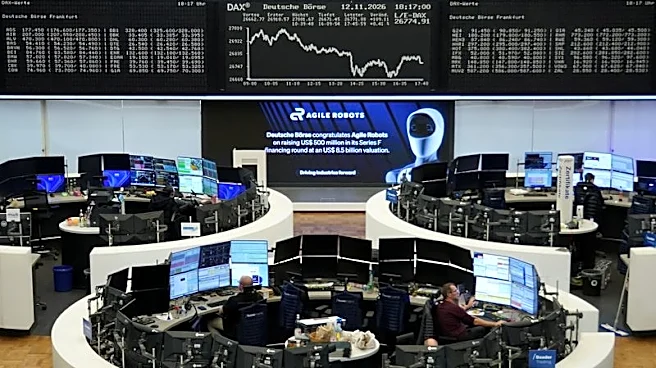
PARIS, Nov 17 (Reuters) - European luxury stocks fell by 2% on Tuesday on fears that a renewed AI-related selloff could erode US wealth creation and sap one of the sector's few remaining growth drivers.
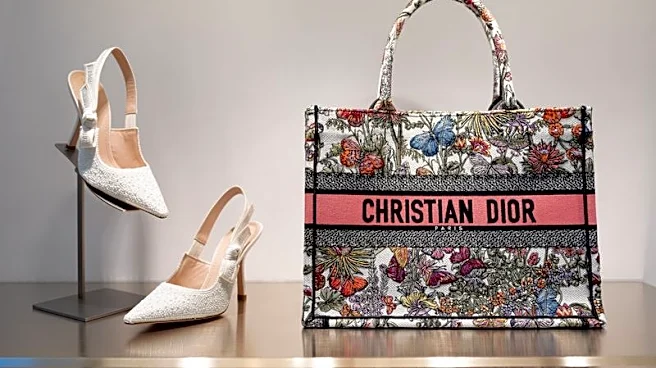
Groups including LVMH, Hermes and Kering have courted US consumers enriched by the AI and tech boom, including the blockbuster SpaceX IPO in June, hoping to offset weaker Chinese demand and a worsening global economy since the start of the Iran
war.
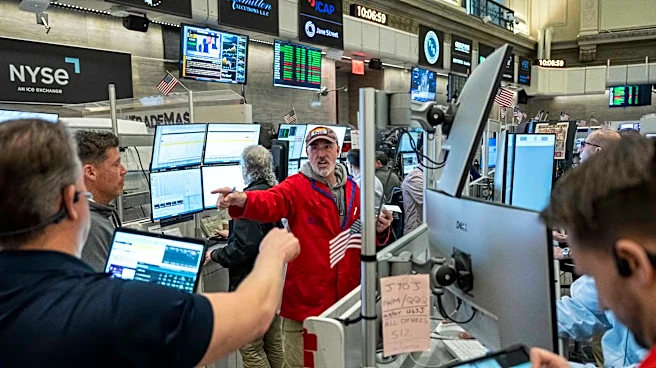
While Anthropic's expected IPO on Thursday may swell the fortunes of early backers and employees, concerns have grown about a potential slowdown of AI spending and an existential threat, wiping trillions of dollars off global stock markets.
"If markets remain volatile and weak, luxury consumer sentiment could come under pressure and US luxury consumers are the only ones driving growth at the moment," Morningstar analyst Jelena Sokolova told Reuters.
By 1520 GMT, shares in Hermes were more than 4% lower, while those of Gucci owner Kering, Burberry and LVMH fell by between 1.8% and 3.6%.
Moncler, known for its puffer jackets, was down 4.3% after hitting its lowest level in four years. Earlier on Tuesday, Morgan Stanley downgraded its rating on the stock.
'BASE OF LUXURY CONSUMERS IS SHRINKING'
Luxury brands, which have struggled to recover from years of underperformance, reported disappointing sales figures in the third quarter, as weakness in key growth engine China has persisted, adding fresh pressure to shares.
Bernstein said in a note on Tuesday that more established brands, even the most desirable ones, need to work harder to innovate and lure wealthy shoppers.
"China is no longer producing a vast number of new consumers each year. Cost of living inflation has even pushed many consumers out of the market globally," said analyst Luca Solca.
"Luxury goods brands are selling more to the same people, as the base of luxury consumers is shrinking."
Morgan Stanley said in its 2027 European equities outlook published on Monday that it was "underweight" on luxury because of softer Chinese demand, noting that the sector's direct exposure to AI disruption was relatively low.
With few signs of recovery, luxury executives were speaking to investors on Tuesday at the annual JPMorgan Global Luxury and Brands conference in Paris.
(Reporting by Mateusz Rabiega and Javi West Larrañaga in Gdansk and Alessandro Parodi in Paris; Additional reporting by Elisa Anzolin; Editing by Alexander Smith)