






By Florence Tan and Trixie Yap
SINGAPORE, July 27 (Reuters) - Oil prices tumbled more than 6% on Monday after the U.S. and Iran paused strikes over the weekend after two weeks of attacks, raising hopes of a diplomatic solution that would de-escalate the conflict and allow shipping to resume in the Strait of Hormuz.
Brent crude futures fell $6.20, or 6.4%, to $90.58 by 0620 GMT after briefly slipping under the key support level of $90 earlier in the session.
U.S. West Texas Intermediate crude was at $83.51
a barrel, down $5.80, or 6.5%.
Both contracts are trading at their lowest levels in nearly a week after rising for the past three weeks.
Brent had reached $100 per barrel as the conflict, which reduced oil shipments via the Strait of Hormuz, spilled over to the Red Sea, hindering exports from the world's top exporter, Saudi Arabia, via the Bab el-Mandeb strait to Asia.
The U.S. ambassador to the United Nations, Mike Waltz, told "Fox News Sunday" and other U.S. media that President Donald Trump had decided to pause U.S. attacks to allow more time for diplomacy.
"Oil prices fell sharply in early trading as the U.S. and Iran refrained from further military action, offering the first tangible signs of a potential de-escalation in tensions," said ING analysts in a client note.
"The price action in oil this morning clearly reflects the market's desperation for positive news."
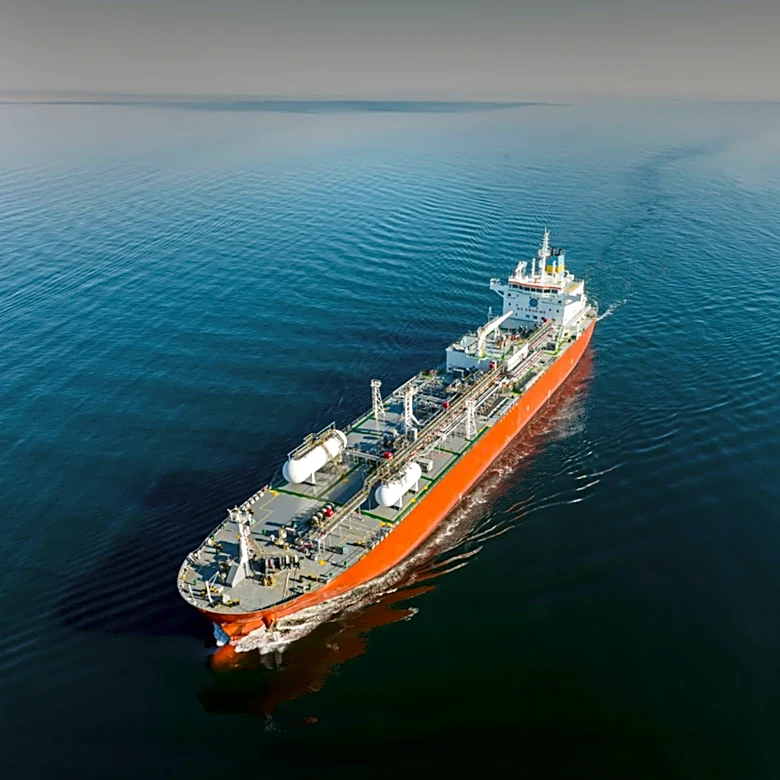
Despite the pause in attacks, fewer than 10 commodity vessels passed through the Strait of Hormuz daily during the weekend, shipping data from Kpler showed.
"Any rebound in flows through the Strait of Hormuz is likely to prove slow and partial, as many shippers remain wary and will want greater confidence in their safety before they bring more empty ships into the Strait," MST Marquee analyst Saul Kavonic said.
In addition, ship traffic through the Bab el-Mandeb strait fell on Sunday after Yemeni Houthis attacked Saudi oil installations along the Red Sea coast, although a third Chinese supertanker exited via the Bab el-Mandeb strait.
However, some analysts are still expecting markets to be supported if crude supplies stay affected by ongoing shipping risks in the Middle East and the Russia-Ukraine war.
"As the Middle East conflict widened to the Red Sea and Ukrainian drones struck Russian ships and refineries ... Sustained (supply) disruption would likely keep oil prices elevated and continue to pose upside risks to global inflation," said UOB analysts in a note.
Ukraine said it hit several Russian oil sites over the weekend.
(Reporting by Florence Tan and Trixie Yap; Editing by Chris Reese and Jamie Freed)