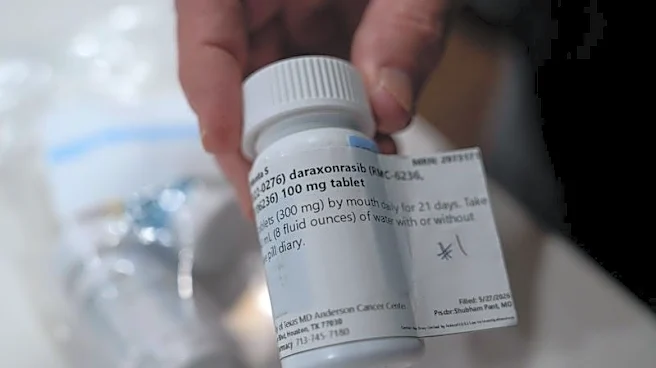









Aug 26 (Reuters) - The U.S. Food and Drug Administration on Wednesday approved Revolution Medicines' targeted drug for adults with metastatic pancreatic cancer who have received prior treatment or cannot receive combination chemotherapy.
The drug, branded as Rasonque and also known as daraxonrasib, is a once-daily pill designed to block several forms of the RAS protein, which helps drive tumor growth in many pancreatic cancers.
Rasonque, a first-in-class cancer drug, was included in the FDA Commissioner's
National Priority Voucher program, designed to accelerate reviews from the usual 10 to 12 months to as little as one to two months for therapies that address major U.S. health priorities and substantial unmet medical needs.
Given the lack of effective treatment options for pancreatic cancer, the FDA approval for Revolution marks a significant advance in a disease area with a five-year survival rate of about 13%, one of the lowest among major cancers, according to the American Cancer Society.
The approval was based on a study of 500 adults with previously treated metastatic pancreatic adenocarcinoma, the most common type of pancreatic cancer. The drug improved the rate of overall survival to 13.2 months, compared with 6.7 months on standard chemotherapy.
The FDA had previously granted early access to the drug under a program which allows patients with serious or life threatening conditions to receive experimental treatments outside clinical trials prior to authorization by the regulator.
The drug's most common side effects included rash, diarrhea, mouth inflammation, nausea, tiredness, vomiting, abdominal pain, swelling, reduced appetite and bleeding.
Revolution Medicines did not immediately respond to a Reuters request for comment on pricing and availability.
(Reporting by Padmanabhan Ananthan in Bengaluru; Editing by Devika Syamnath)