
By Kiyoshi Takenaka
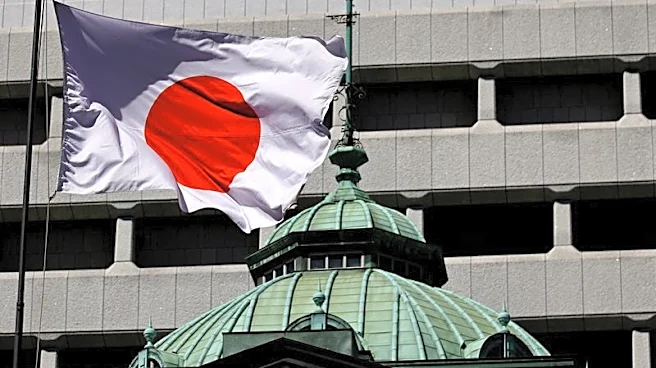
TOKYO, April 16 (Reuters) - The number of Japanese firms that do not want the Bank of Japan to raise interest rates has risen sharply since the start of the year as the Iran war clouds
the outlook for global growth and corporate earnings, a Reuters survey showed on Thursday.
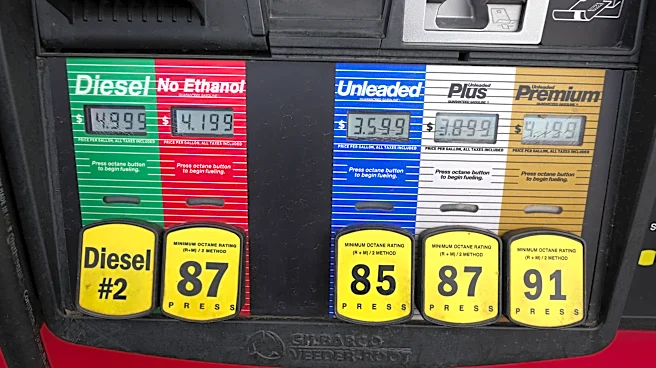
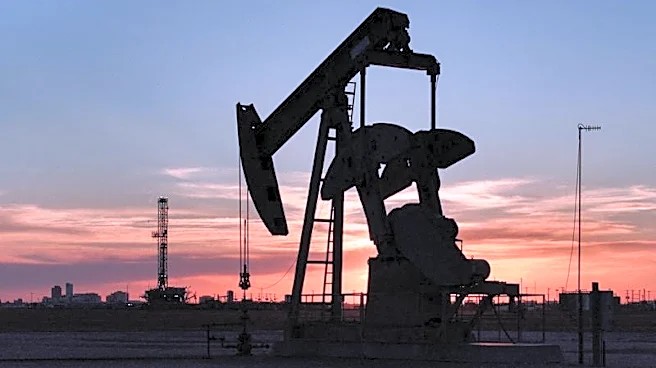
The U.S.-Israel war on Iran, launched on February 28, has effectively choked energy flows through the Strait of Hormuz, triggering an oil price surge and global supply disruptions.
Asked about the desirable timing for the BOJ's next rate hike, 10% chose April, 8% picked June, 37% selected the second half of 2026 and 16% said 2027 or later.
Some 30% said they did not want a hike at all, up from 17% in a January survey.
"We have a tense Middle East situation and lofty crude oil prices. What can be a reason for raising rates?" a manager at an electronics maker wrote in the survey.
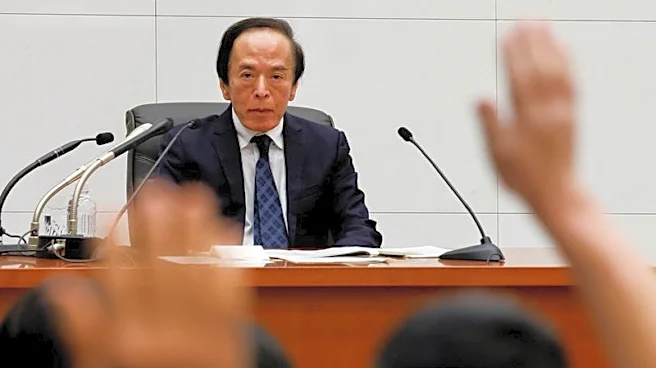
BOJ Governor Kazuo Ueda on Monday stressed the need for vigilance against fallout from the Iran war in explaining the outlook for monetary policy, rather than sticking to the central bank's script pledging to keep raising rates.
The BOJ's next rate-setting meeting is scheduled for April 27-28, with the following one in June.
About 28% of respondents are experiencing the Iran war's impact on their business operations, while 56% believe they will eventually be affected, the survey showed.
A rise in fuel and raw material prices tops the list of specific impacts corporate Japan is experiencing or anticipating, followed by higher transportation costs and difficulties in procuring fuel and raw materials, the poll showed.
"What we fear the most is shortages of crude oil, crude oil-derived naphtha and intermediate products leading to stalled output at manufacturers and to slower shipments and decreased cargo volume," an official at a transportation company said.
Japan imported 94% of its crude oil from the Middle East in 2025.
The poll was conducted by Nikkei Research for Reuters from April 1-10. Nikkei Research reached out to 492 companies, of which 212 responded on condition of anonymity.
TRUMP TARIFFS
About 42% of respondents said they will likely be able to post profit growth in the business year that started this month if U.S. West Texas Intermediate crude futures average $100 a barrel or lower, while 28% see that threshold at $80.
In light of rising costs including higher oil prices, 7% of respondents have raised prices for their products and services and 62% are considering doing so, while 31% have no such plan, the survey showed.
On trade, 22% of respondents are still suffering a substantial earnings impact from U.S. President Donald Trump's tariffs, while 15% have seen the scale of the impact lessened after taking countermeasures such as passing through costs and shifting production to the United States, the survey showed.
"We want to boost exports by capitalising on a weaker yen, but the tariffs are getting in the way," a manager at a transportation equipment maker said.
Slightly more than half of the respondents said they were not affected by the Trump levies in the first place.
The U.S. Supreme Court in February struck down Trump's global tariffs as illegal under a national emergency law. Trump has since imposed a 10% tariff for 150 days under the Trade Act of 1974.
(Reporting by Kiyoshi Takenaka; Editing by Kevin Buckland)