






By Michael S. Derby
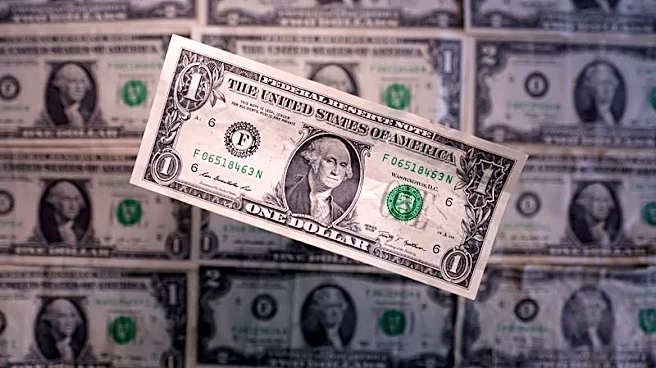
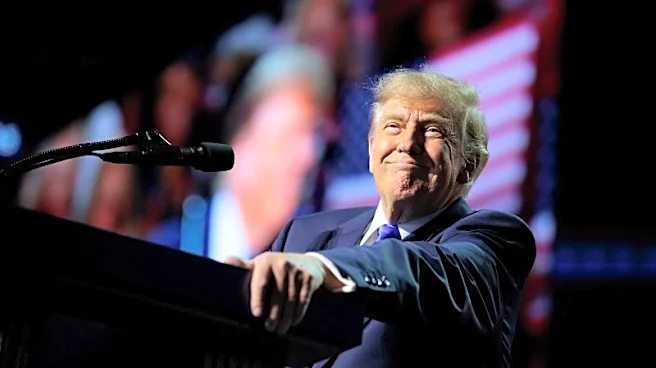
Sept 16 (Reuters) - Surging government bond yields are raising credit costs across the U.S. economy and could factor into Federal Reserve monetary policy deliberations, but analysts see the central bank resisting any explicit call from the Trump administration to bail out the market.
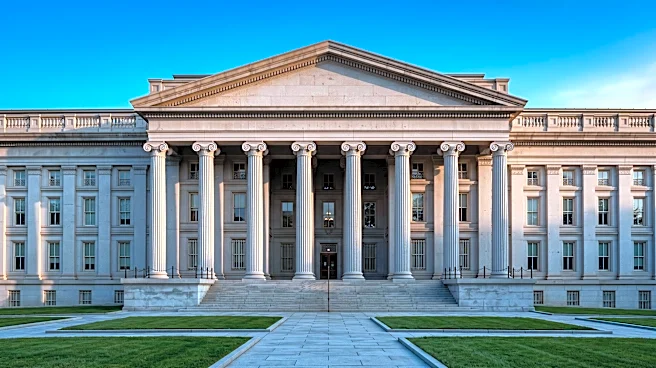
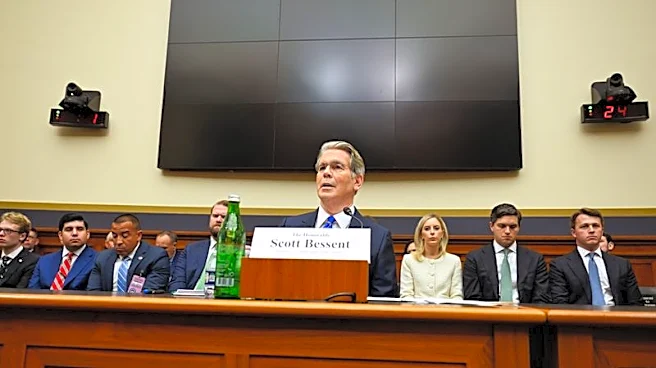
The focus on the Fed's possible involvement comes as Treasury Secretary Scott Bessent has taken an unusually activist role in trying to tamp down rising yields he considers to be misaligned with the U.S.
economic outlook.
Bessent’s campaign, which saw the expansion of a key debt buyback operation last week, is foundering, as the 10-year Treasury note rose above 5% to its highest since 2007. He shrugged the move off as owing to "global issues" on Tuesday as he arrived for a congressional hearing.
Treasury’s bond market travails are raising questions whether the Fed might be requested to buy government debt to reduce supply, which could cap or lower yields, in turn easing government and private sector borrowing costs.
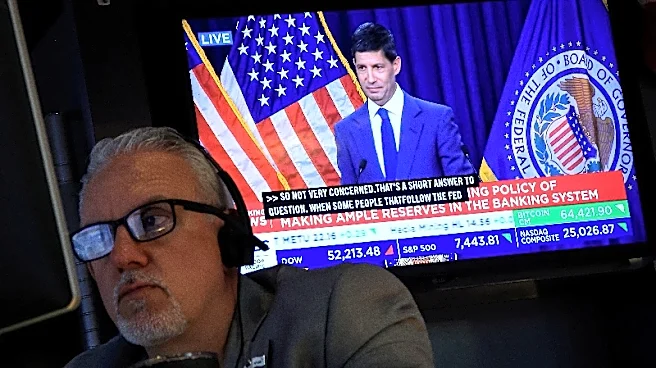
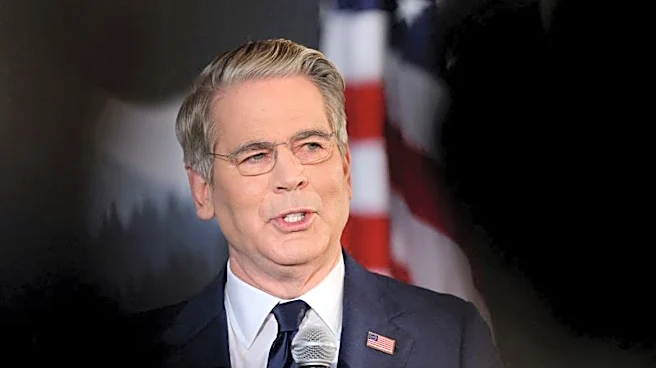
Fed watchers see little prospect for that outside of markets tumbling into distress, though there's little evidence of that so far even with the steady slide in prices. That said, the question has persisted given comments by Fed Chairman Kevin Warsh that have signaled a greater willingness to coordinate with Treasury on some issues.
“One of the Fed's unwritten mandates is financial conditions,” said Rick Rieder, BlackRock Inc's chief bond investment manager, who was under consideration by Trump to be Fed leader. Noting that Fed policymakers influence the cost of debt through their adjustments to short-term interest rates, he said that "has to be part of the criteria they consider" in any monetary policy decisions.
The Fed on Wednesday is expected to wrap up its two-day meeting with policymakers raising their policy rate by a quarter percentage point to 3.75% to 4.00% because recent inflation readings have been too high. Market participants believe this could help Treasury's cause because it will bolster the Fed's inflation-fighting credibility, which should help longer-dated yields come down over time.
A Deutsche Bank poll of investors released Monday found that investors see a rate hike now as likely lifting yields slightly over the short term, but they see long-term yields going up even more if the Fed were to leave rates steady.
If the Treasury encounters significant headwinds selling its debt or there were other market dislocations, the Fed could be drawn in more to buy debt to calm conditions, Rieder said. That makes it important to watch how coming debt auctions perform.
DRY POWDER
Most analysts agree any harder push by Treasury calling on the Fed to intervene and buy bonds in large size to cap yields is a no-go for central bankers.
Warsh “cares a lot about the Fed’s credibility – and about his own,” said Lou Crandall, chief economist with Wrightson ICAP. The Treasury has damaged its credibility with its market interventions and the Fed leader “will have no desire to let the Fed get sucked into that. The stakes are even higher for the Fed than the Treasury.”
For his part, Bessent on Tuesday called the upsized buybacks a success.
Mark Sobel, a former Treasury Department official under both Republican and Democrat administrations and now U.S. chair of the OMFIF monetary policy think tank, said “the administration could conceivably push the Fed to engage in a form of quantitative easing or yield curve control, in essence seeking cheap budget funding and financial repression.” But like Crandall, Sobel believes Warsh would push back against getting involved.
The case for Fed involvement goes to firepower. Treasury interventions are constrained to the money that it has on hand. The Fed, in contrast, can create money, allowing it in theory to purchase a limitless amount of bonds if required.
Buying bonds in large size — called quantitative easing — is now an established part of the Fed's tool kit, first used during the 2007-2009 financial crisis and again in the COVID-19 pandemic.
Economists largely agree past purchases have helped calm distressed markets, signaled the Fed’s commitment to stimulative monetary policy, and likely kept borrowing costs lower than they would otherwise be.
During and emerging from World War II, the Fed had actively worked to cap borrowing costs at the Treasury's behest. But it stopped doing so following the Treasury-Fed Accord of 1951, which separated government debt management from monetary policy.
Buying bonds now at Treasury’s behest would not only upend that long-standing pillar of Fed independence, it would clash with the Fed’s effort to bring inflation back down to its 2% target, which markets expect mean one or more increases in the Fed's short-term policy rate.
Moreover, buying bonds in enough size to impact yields would also cause a big expansion in the Fed’s balance sheet, and Warsh wants Fed overall holdings, now at $6.7 trillion, to be smaller.
Also arguing against Fed intervention is a sense among some at the central bank that higher yields exist for legitimate reasons.
New York Fed President John Williams told CNBC on September 2 that rising yields are “more of a reflection of the strength of the economy” coupled with aggressive technology investment levels. He also shrugged off the Treasury’s interventions as a factor for Fed policy and noted what the department is doing “doesn't complicate my job or our job making monetary policy.”
(Reporting by Michael S. Derby; Editing by Dan Burns and Andrea Ricci )