




By Richa Naidu
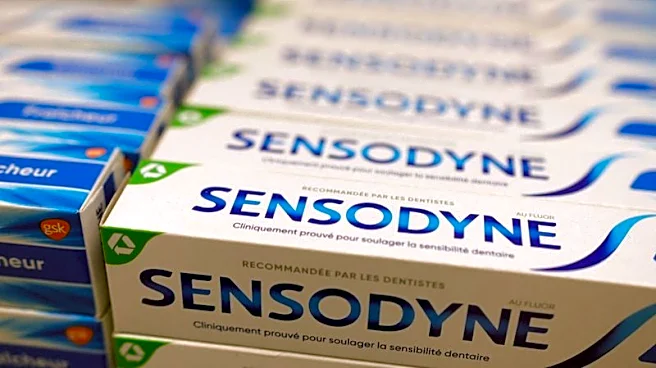
LONDON, Sept 3 (Reuters) - Sensodyne toothpaste maker Haleon has quietly negotiated better spots on shelves at U.S. retailers including Walmart and Target, to gain more visibility at a at a time when mounting grocery bills are hitting shopper spending.
The company, which was spun out of GlaxoSmithKline in 2022, told Reuters that it has offered U.S. big box retailers lower prices, better promotions, new products and exclusivity in exchange for securing the improved positions on shelves.
"(Haleon is offering better) commercial terms, relationships, exclusivity, price, promotions but it’s also stocking the top innovations," a Haleon spokesperson said.
Haleon and its rivals are competing fiercely for cash-strapped shoppers, and the company said more visibility on shelves has driven its U.S. market share.
NielsenIQ data shows Haleon's portion of the U.S. consumer health market has climbed steadily this year, to 12% by August from 11.4% in February. Meanwhile, rival P&G's share of the healthcare market slipped to around 10.8% in July, and Colgate-Palmolive's share of the oral, personal care and household market, at just under 5%, was flat, according to Bernstein analysis of the data.
Walmart and Target declined to comment.
Middle-class Americans are growing more cost-conscious amid elevated fuel prices, recent retail earnings reports show, with consumers directing most of their spending toward essentials.
Despite this, Advil-owner Haleon said these previously unreported "shelf resets" are driving market share for its oral health business -- which owns Sensodyne, Aquafresh and Polident -- as well as in the adult vitamins category after its Centrum products were "placed at eye level, supported by promotions."
Joe Sta-Romana, Haleon's U.S. chief customer officer, told Reuters the company researched where on shelves shoppers expect to find its products as part of its new strategy.
"Shoppers told us they look for brand first, and then premium and new items to be easily found within the brand block, which for us meant at eye level and right above our current lineup," Sta-Romana said. Haleon then shared its data with retailers on the forecast sales growth of moving the products, which "helped achieve retailer adoption."
Over 21% of Haleon's second-quarter U.S. sales came from products that were sold with promotions, NielsenIQ data analyzed by Bernstein shows.
Promotions are currently a key driver of growth for retailers like Walmart, which said last month that the "psychological impact" of sky-high gasoline prices is pushing people to make trade-offs. The world's biggest retailer reported its slowest same-store sales growth in six years despite rolling back prices on 11,000 items.
(Reporting by Richa Naidu. Additional reporting by Nicholas Brown; Editing by Lisa Jucca and Susan Fenton)