

March 20 (Reuters) - Chinese electric vehicle maker Xpeng reported its maiden quarterly profit, riding on strong sales of higher-margin models and lucrative technology partnerships.
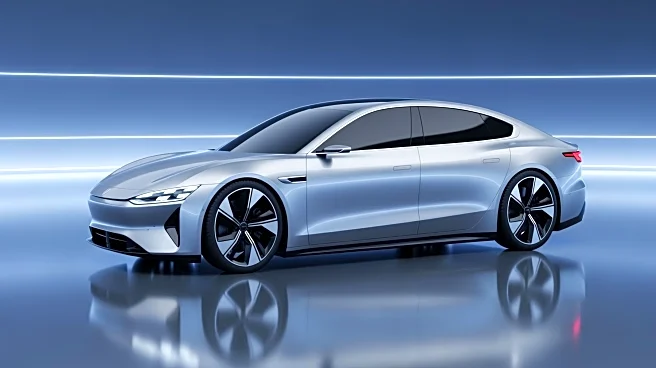
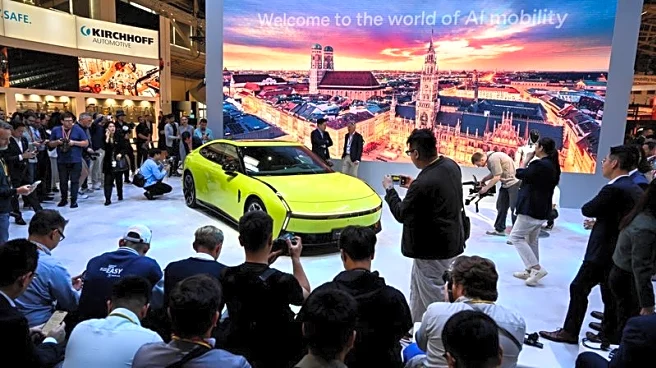
Advanced driver-assistance technology and fast charging helped Xpeng's higher-margin P7 model stand out in China's crowded EV market, where it also competes with Tesla's Model 3 and Xiaomi's SU7. The model helped drive a 30% jump in the company's vehicle sales to 19.07 billion yuan ($2.77 billion) in the October-December
period.
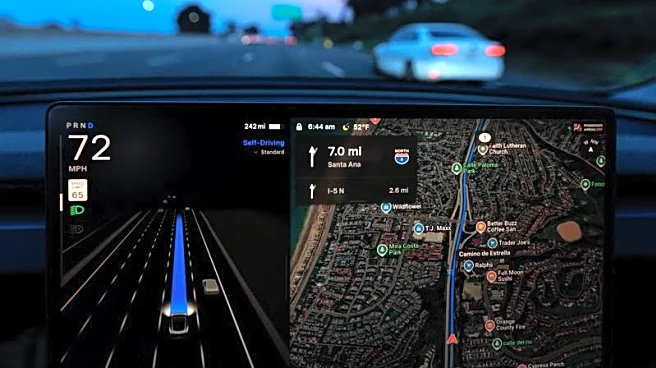
Xpeng has been trying to license its technology to other automakers and rebrand itself as a "physical AI" company, following in Tesla's footsteps. The strategy allows it to leverage its driver assistance system and "Turing" AI chips, and has led to a tie-up with Volkswagen, which will develop new EVs in China using Xpeng's technology.
The first of these models, the ID. UNYX 08, began mass production last week, and Xpeng expects the collaboration to generate meaningful revenue from technology service fees.
Overall, revenue rose to 22.25 billion yuan in the fourth quarter, exceeding analysts' average estimate of 22.13 billion yuan, according to data compiled by LSEG. Xpeng posted a profit of 383.21 million yuan, compared with a loss of 1.33 billion yuan a year ago.
Analysts have said Xpeng's second-generation "Vision to Action" architecture, designed to enable more human-like autonomous driving, is a key differentiator that could boost margins and sales of its premium models in the coming quarters.
The company expects first-quarter revenue between 12.20 billion yuan and 13.28 billion yuan, below analysts' average estimate of 17.38 billion yuan.
Separately, Xpeng said it will launch EVs for the Latin American market at an event in Mexico later this month.
($1 = 6.8857 Chinese yuan renminbi)
(Reporting by Anhata Rooprai in Bengaluru; Editing by Diti Pujara)