








By Chuck Mikolajczak
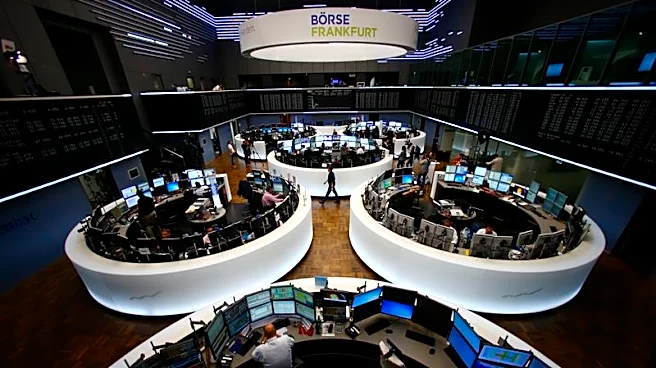
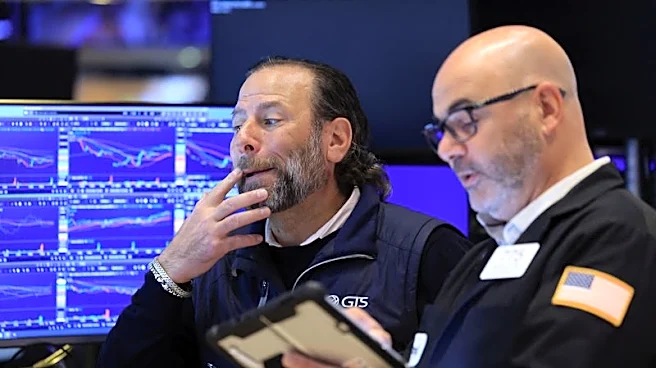
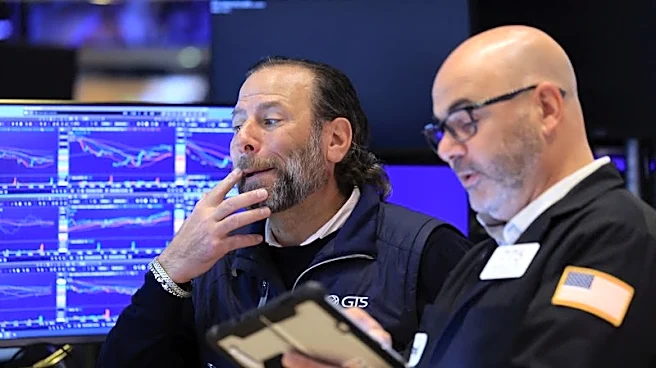
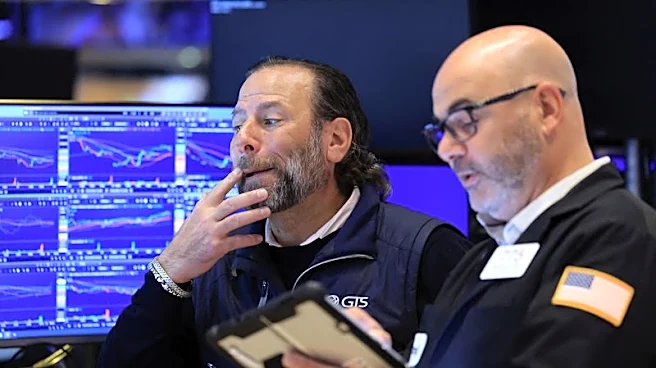
NEW YORK, Sept 29 (Reuters) - US stocks declined for a second straight session on Tuesday, as government bond yields continued their ascent ahead of key inflation and labor market data this week that could shape the Federal Reserve's interest rate path.
Despite a pullback in oil prices, longer-dated US Treasury yields rose, with the 30-year bond hitting 5.6206%, its highest since June 2002. The yield on the benchmark 10-year Treasury bond climbed to 5.293% — near its highest level
since June 2007.
After retreating from highs at the start of the month, oil prices have accelerated higher in recent days as hopes that a US-Iran peace deal may be on the horizon have diminished.
The rising prices of crude and diesel fuel have stoked inflation worries and pushed US Treasury yields higher. Fed officials have also indicated more rate hikes might be needed if price pressures fail to moderate after the central bank raised interest rates by 25 basis points this month.
Several key economic releases are due this week, including the Personal Consumption Expenditures Price Index from the Commerce Department on Wednesday, which could help shape the path of Fed policy. Labor market data, culminating in Friday's government payrolls report, will be released throughout the week.
"PCE tomorrow is going to be big, so we'll see where that takes us," said Tim Ghriskey, senior portfolio strategist at Ingalls & Snyder in New York.
"The amount of negativity from consumers here, especially with higher rates, higher gas prices, they're getting squeezed — the consumers getting squeezed here, and we might start seeing (stocks sell off), at least in the consumer names."
Higher yields raise the cost of capital and can make bonds an appealing alternative to equities, while also potentially denting corporate earnings power.
The Dow Jones Industrial Average fell 206.18 points, or 0.40%, to 51,275.33, the S&P 500 lost 16.33 points, or 0.21%, to 7,667.36 and the Nasdaq Composite lost 45.33 points, or 0.17%, to 26,775.05.
CONSUMER CONFIDENCE PLUNGES
The Labor Department said in its Job Openings and Labor Turnover Survey, or JOLTS report, that job openings, a measure of labor demand, had dropped by 256,000 to 7.079 million in August, below the 7.225 million estimate of economists polled by Reuters.
A separate report from the Conference Board showed US consumer confidence plunged to a nearly 12-1/2-year low in September, with households expecting a deterioration in business and labor market conditions over the next six months amid the Iran war and rising interest rates.
Expectations for a rate hike of at least 25 basis points from the Fed at its October meeting stand at about 68%, according to CME FedWatch, up from roughly 55% a week ago and well above the nearly 18% from a month earlier.
Multiple Fed officials flagged concerns again on Tuesday about persistently high inflation, with Federal Reserve Governor Michael Barr saying more hikes are likely needed, although Federal Reserve Bank of New York President John Williams said the US central bank has time to weigh the data before deciding when to hike interest rates again.
ANTHROPIC TARGETS VALUATION
AI-related stocks were in focus as Anthropic's initial public offering prospectus showed how the AI lab has grown sharply in the last year but also posted wider losses. The company is targeting a $2 trillion-plus valuation, possibly setting a benchmark for how Wall Street measures AI leaders.
Chipmakers helped offset some declines as they recovered from Monday's 1.6% drop. The broader Philadelphia chips index climbed 1.4%.
Among other movers, used-car retailer CarMax climbed 4.7% after reporting increased second-quarter profit and revenue.
Credit-scorer Fair Isaac Corp plunged 26.9% after Federal Housing Finance Agency Director Bill Pulte said government-sponsored mortgage enterprises Fannie Mae and Freddie Mac will move to a single pricing grid.
Declining issues outnumbered advancers by a 2.3-to-1 ratio on the NYSE and by a 1.78-to-1 ratio on the Nasdaq.
The S&P 500 posted six new 52-week highs and 32 new lows, while the Nasdaq Composite recorded 31 new highs and 271 new lows.
(Reporting by Chuck Mikolajczak; additional reporting by Shashwat Chauhan and Tharuniyaa Lakshmi in Bengaluru; Editing by Joyjeet Das and Rod Nickel)