






By Amanda Stephenson
FORT MCMURRAY, Alberta, Oct 18 (Reuters) - Canada’s Prime Minister Mark Carney is betting a new pipeline can help revive the country’s oil industry, boost its production and exports, and reduce its dependence on the United States.
Bringing back jobs will be much harder.
In the Alberta oil hub of Fort McMurray – nicknamed Fort McMoney in its heyday more than a decade ago – the tens of thousands of oil field jobs that powered the last boom are unlikely to return, even if Carney gets
his pipeline.
Instead, much of the growth in oil sands output is likely to come from automation and efficiency gains rather than large-scale hiring, according to industry forecasts and nearly a dozen interviews with company officials, workers, politicians and academics.
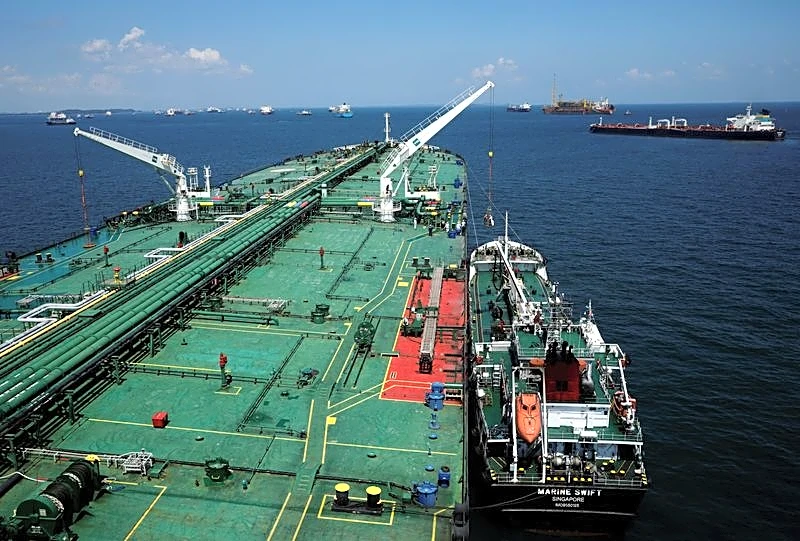
The pipeline backed by Carney would transport 1 million barrels of crude oil a day to a port on the Pacific coast, expanding export capacity to Asia.
Asked by Reuters what the pipeline would mean for the region’s economy, Carney – a former central banker – cautioned against anticipating a return to the oil-boom days.
"I wouldn't use the term 'boom'," Carney said during a visit to Fort McMurray this month. "I would use ‘sustained growth’."
MORE OIL, FEWER WORKERS
More oil without many more permanent jobs could leave Carney politically exposed on two fronts: Critics on the left say his efforts to fast-track the project’s regulatory approval risks sacrificing the environment, while those on the right argue the deregulation should deliver faster economic growth, higher salaries and more oil jobs.
Low job growth could also further fuel Alberta’s separatist movement, though a referendum on whether to hold a vote to leave Canada is expected to fail on Monday.
An August labor forecast by industry group Energy Safety Canada projects that oil sands employment will fall by 920 jobs or 4% by 2035, even as production grows 6%.
A spokesperson for Energy Safety Canada told Reuters that a new West Coast pipeline would likely reverse the projected job decline but may not add many permanent jobs because of the “structural trend” of producing more oil with fewer workers.
"Nobody should expect that something that happened 15 years ago will happen the same way today," said Dianna De Sousa, CEO of the Fort McMurray Chamber of Commerce.
A spokesperson for Carney declined to comment on the lackluster projections for job creation from the pipeline, referring questions to the Department of Natural Resources, which did not respond.
FROM BOOM TO BUST TO WILDFIRES
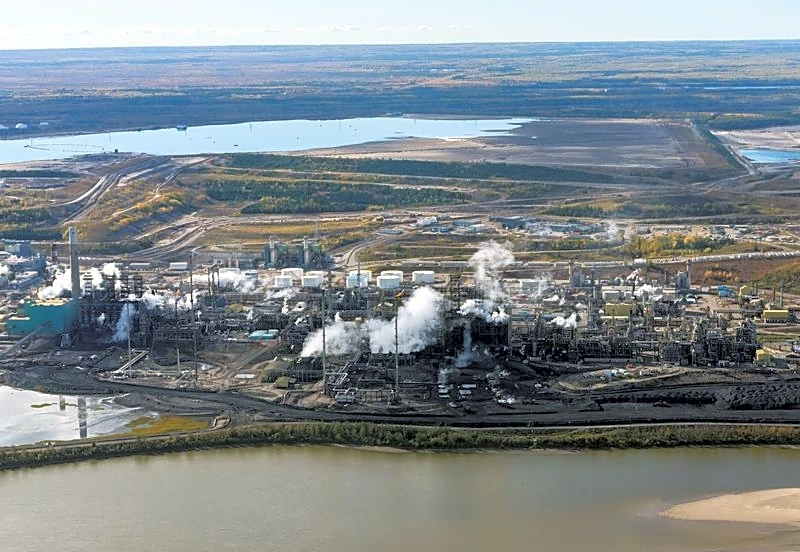
From 2000 to 2014, Canadian and international oil companies spent billions to build out the mega-mines and other facilities required to extract bitumen, the thick oil found in northern Alberta.
Fort McMurray became a place where workers fresh out of high school could earn six-figure salaries, putting new pickups and pricey boats in their driveways.
Fly-in, fly-out workers — some from as far as 5,000 km (3,107 miles) away – packed on-site work camps because the city lacked housing.
Then came the 2015 oil price crash, followed by a devastating wildfire one year later. Investors’ growing focus on environmental, social and governance (ESG) criteria combined with the climate policies of Carney's predecessor Justin Trudeau deepened the slump.
International oil majors exited. Annual oil sands capital investment fell from a C$35 billion ($24.55 billion) peak in 2014 to C$14.2 billion in 2024, according to Statistics Canada. The last major new oil sands project, Suncor's Fort Hills, started up in 2018.
Alberta’s oil and gas sector employs 435,000 people today, including temporary and part-time workers, 85,000 fewer than in 2014, according to data from Alberta’s Servus Credit Union. Real disposable income in the province is still 10% below 2014 levels. Housing values have declined sharply.
Stronger oil prices and rising production have brought some signs of recovery, including regional population growth for the first time in a decade. But flights from Calgary and other major cities sometimes arrive nearly empty, and vacant commercial spaces dot downtown.
"Things are not getting better," said Jenny Parsons, who has worked as a truck driver and contractor at oil sands sites since moving from Newfoundland 15 years ago.
She said she was earning barely a dollar more an hour than she was in 2011.
WHAT A PIPELINE COULD BRING
No oil sands company has committed the C$100 billion in private investment needed to fill the proposed pipeline and build the carbon capture and storage project Carney has made a condition of federal approval.
Kendall Dilling, head of the Oil Sands Alliance, which represents the five largest companies, said the projects could create thousands of jobs across Canada by the mid-2030s, including upstream investment and supply-chain activity as well as pipeline construction. But many of these jobs would be temporary construction jobs, in British Columbia as well as Alberta, rather than permanent oil-industry jobs.
Some of those jobs no longer exist. Efficiency gains, for example, have cut the time oil companies spend on routine maintenance, which has reduced the number of staff as well as contract positions, he said.
The employment gains “may be less than the absolute peaks that we've seen in the past.”
Jason Kenney, Alberta's conservative premier from 2019 to 2022, cut corporate taxes to get oil sands companies to spend on big projects. But even after oil prices rose and revenue stabilized, companies prioritized shareholder returns over job growth, he told Reuters.
"I was certainly frustrated with them,” he told Reuters. He said he urged companies to allocate some of the tax cut savings to their capital plans.
"The people need to see a benefit, not just the shareholder in New York."
The industry group representing oil companies did not respond directly to Kenney's comments but said the pipeline provided an opportunity to increase production, create jobs and grow government revenue.
CARNEY FACES RISKS FROM LEFT AND RIGHT
By backing a new pipeline, Carney — who grew up in Alberta's capital of Edmonton — has brokered an uneasy truce between the federal government and Alberta conservatives. But he has angered some in his own Liberal party by embracing oil to help the Canadian economy survive President Donald Trump’s tariffs.
He has repealed many of Trudeau's environmental policies, cut the tax rate on new capital investment, and is promoting Canadian oil to investors abroad.
While Carney’s approval rating was at 62% in a September poll from Angus Reid, public sentiment on energy and the environment can shift quickly.
"It's important to remember that the environmental policies of Justin Trudeau were widely popular at the time," said Lori Williams, a political science professor at Calgary’s Mount Royal University. "If we see more environmentally friendly options starting to come on in the future then I think additional pipelines in Canada will be much harder to sell."
Fort McMurray's boom had its downsides. The flood of workers strained local infrastructure and created tensions between locals and the thousands of people in work camps. Some oil sands companies now hire more locals to reduce their reliance on fly-in workers, a shift that reflects a leaner but steadier industry.
Still, longtime residents like Colin Hartigan, owner of the city’s Coldwell Banker United office, hope that Carney's ambitions will bring back at least an echo of the old Fort McMurray.
"At some point, there's going to be another boom," Hartigan said. "Do I think families here want to see that? Not like in the past, that was a little bit crazy. But do we all pray for it? Absolutely."
(Reporting by Amanda Stephenson in Calgary and Fort McMurray; Editing by Caroline Stauffer and Suzanne Goldenberg)