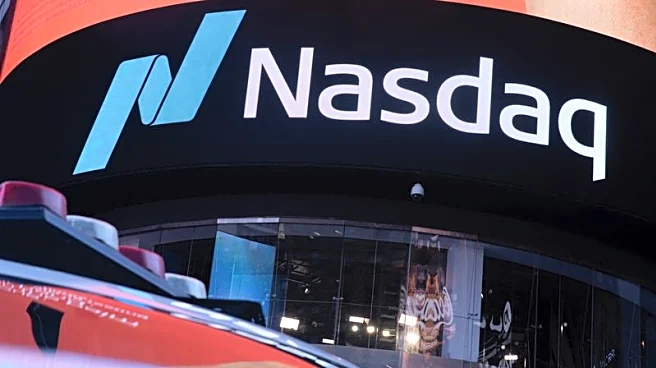

Dec 12 (Reuters) - Nasdaq on Friday proposed a new rule that would allow the exchange to block IPOs even when companies meet all listing standards if it detects red flags that could make a company's stock
vulnerable to manipulation.
The move underscores a push to tighten gatekeeping as firms from opaque jurisdictions look to tap public markets in the U.S., where a deeper pool of capital often gives companies better valuations than they can get elsewhere.
It follows a period of heightened scrutiny of market volatility and would give the exchange more room to act when it sees warning signs. If adopted, the rule could raise the bar for transparency for foreign companies.
Under the proposed changes, Nasdaq would have limited discretion to block an IPO after reviewing factors such as the company's headquarters, the availability of legal remedies to U.S. shareholders in that jurisdiction and the influence of controlling parties.
The exchange would also vet companies more closely if it believes their boards lack adequate experience, or if the advisers have questionable histories.
PUMP-AND-DUMP
A so-called pump-and-dump scheme involves artificially driving up the price of a stock and then selling it at the peak, leaving other investors with steep losses.
Nasdaq has conducted a years-long investigation to curb sharp stock rallies among smaller China-based companies, after a rise in recent years in shares of firms that raised only modest sums in their IPOs.
Investors have been heavily bruised by some of these listings, with certain Chinese stocks surging as much as 2,000% on their debut before plunging in the days that followed.
In September, the exchange operator introduced stricter listing standards, including a higher minimum public float for some new listings and a faster process to delist thinly traded companies, as part of a broader effort to crack down on potential market manipulation.
(Reporting by Manya Saini and Niket Nishant in Bengaluru and Anirban Sen in New York; Editing by Tasim Zahid)