


By David Shepardson and Marie Mannes
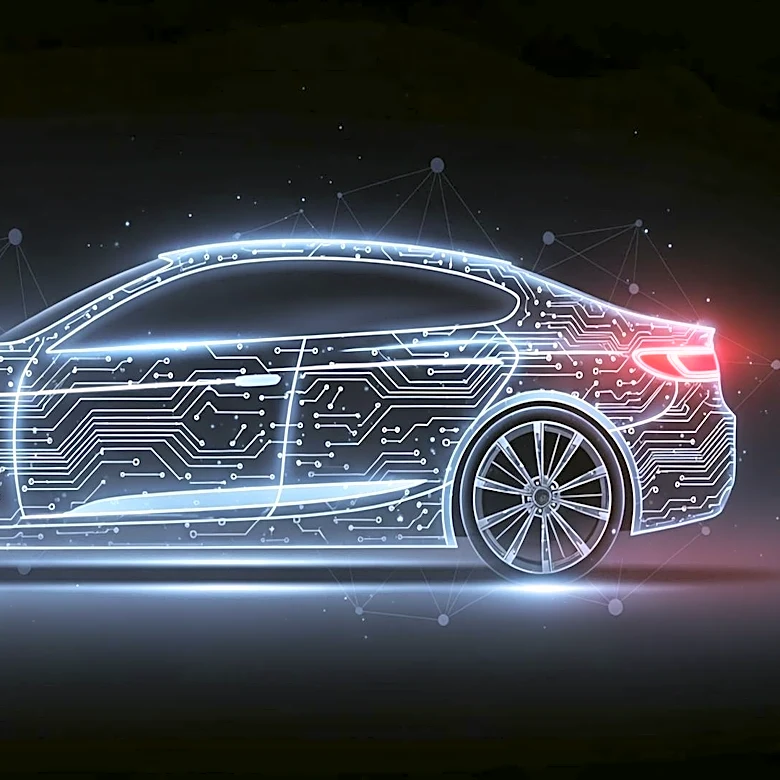
WASHINGTON, May 26 (Reuters) - Volvo Cars, majority owned by China's Geely Holding, said on Tuesday it had received approval from the U.S. government allowing it to continue selling vehicles with Chinese "connected technology" in the country.
In January 2025, President Joe Biden's administration finalized rules effectively barring nearly all Chinese cars and trucks from the U.S. market, as part of a crackdown on vehicle software and hardware from China.
The rules
included a ban on most Chinese-developed and -maintained software that took effect in March 2026 for the 2027 model year. Lawmakers have proposed making the rules even tougher.
Volvo said the Commerce Department gave the company a specific authorization following constructive discussions with government agencies "regarding Volvo Cars' governance, technology and data security."
The company added "with this specific authorization, Volvo Cars can continue its growth plans in the United States."
The Commerce Department did not immediately respond to a request for comment.
In September, Volvo Cars said it would begin producing a new hybrid model in the U.S. by the end of the decade.
The new model will be designed for the U.S. market and help Volvo boost capacity utilization at its South Carolina plant.
In April 2025, Volvo Cars CEO Hakan Samuelsson said the company would produce more vehicles in the U.S., and the group announced in July that it plans to start producing its popular XC60 mid-size SUV in South Carolina starting in late 2026.
Volvo, long positioned as an EV trailblazer with the aim of phasing out all non-electric models by 2030, last year reversed course and said hybrids would remain part of its lineup.
Volvo Cars currently imports all of its cars into the U.S. from Europe except its electric SUV EX90, which it assembles in South Carolina. The Swedish automaker used to also import cars from China but it halted those after tariffs on Chinese-made cars were put into effect.
(Reporting by David Shepardson in Washington and Rishabh Jaiswal in Bengaluru and Kanjyik Ghosh in Barcelona; Editing by Shreya Biswas and David Gregorio)