






April 21 (Reuters) - Russia was forced to reduce oil output in April due to Ukrainian drone attacks on ports and refineries, as well as a halt to crude supplies via the only remaining Russian oil pipeline to Europe, according to five sources and Reuters calculations.
In what could be the sharpest monthly decline to Russian output in the six years since the COVID pandemic, Russia may have cut production by about 300,000 to 400,000 barrels per day in April, from the average level seen in the first months
of the year, said the sources, who spoke on condition of anonymity.
Oil, pumped mostly from fields across the Western Siberian basin, is the lifeblood of Russia's $3 trillion economy so a decline in output cuts revenue for the world's second-largest exporter.
The potential losses, though, may be cushioned by the Iran war which has triggered a supply and production crisis for the global oil market. Russia's Finance Minister Anton Siluanov said last Thursday that high prices would help reduce the budget deficit.
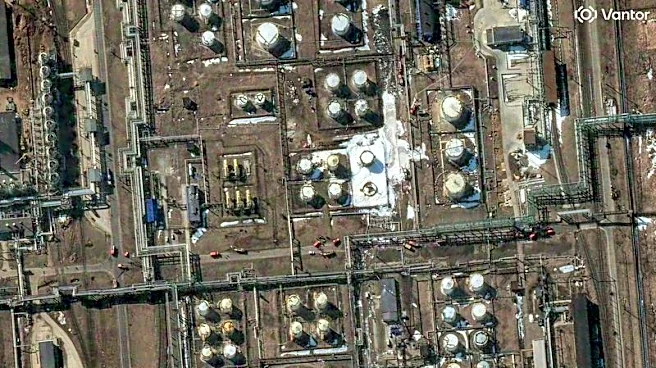
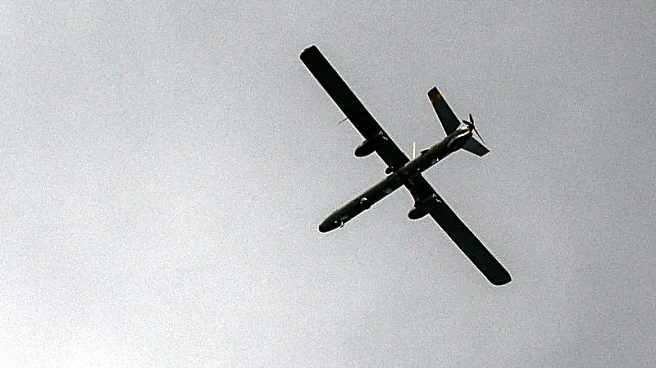
Ukraine over recent weeks unleashed a wave of drone attacks on Russia's biggest Western oil ports, triggering vast blazes, while attacking refineries.
"Against the backdrop of ongoing attacks on Russia's ports and refineries, it will be difficult to place oil without cutting output, especially with upcoming spring maintenance shutdowns," one of the sources told Reuters on condition of anonymity due to the sensitivity of the situation.
Russia classified oil production data shortly after the war in Ukraine began in 2022, citing national security. Russia's energy ministry declined to comment.
Russian oil production peaked in the late 1980s but cratered after the 1991 collapse of the Soviet Union due to a lack of investment. It then recovered in the 2000s and 2010s reaching a post-Soviet peak in 2019 just before the COVID pandemic.
According to the sources and Reuters calculations, the April fall in production amounts to a drop of between 500,000 bpd and 600,000 bpd from Russian production levels in late 2025. A monthly decline would not necessarily mean an annual decline in production.
UKRAINE ATTACKS RUSSIA'S OIL
Ukraine has stepped up attacks on crucial Russian energy infrastructure - which accounts for about a quarter of Russian budget revenue - in a bid to undermine the Russian war economy.
Russia downed 11,211 Ukrainian drones in March, almost double the number in February, according to Russian state RIA Novosti news agency.
The drones have repeatedly hit the Baltic Sea ports of Ust-Luga and Primorsk, as well as the Black Sea port of Novorossiysk, Russia's main oil exporting gateways in the west of the country.
Russian oil refineries have also been subject to the attacks. Over the weekend, Ukraine also attacked the Baltic Sea port of Vysotsk.
Adding to the exporting constraints, flows via the Druzhba pipeline to Hungary and Slovakia across Ukrainian territory have remained shut following attacks on pipeline infrastructure at the end of January.
The Paris-based International Energy Agency, which advises industrialised countries, has revised down Russia's oil supply projection by 120,000 bpd for the remainder of the year due to persistent attacks on refineries and port infrastructure.
It said Russia may struggle to increase production above early levels of the first quarter in the near term given damage to port and energy infrastructure.
According to the IEA, Russia's crude production increased in March to 8.96 million bpd from 8.67 million bpd in February.
The Organization of the Petroleum Exporting Countries estimates that Russia's oil output was stable in March, at 9.167 million bpd.
(Reporting by Reuters; editing by Guy Faulconbridge and Susan Fenton)