
By Amanda Cooper
LONDON, Sept 8 (Reuters) - The yen surged on Tuesday and stocks fell after a volley of attacks on energy facilities around the Gulf drove oil to near $100 a barrel, while copper prices
hit record highs.
Brent crude futures hit their highest in six weeks, nearing $99 a barrel, after Yemen's Iranian-backed Houthis attacked energy facilities and cities in Saudi Arabia, highlighting the risk of the conflict spreading throughout the region and further complicating the supply of fuel to world markets.
The price of diesel has hit record highs and has almost doubled from where it was before the start of the conflict, as has gasoline, and even prices for physical crude for immediate delivery are well above futures prices, in a clear indication of the toll the conflict is taking on the global energy market.
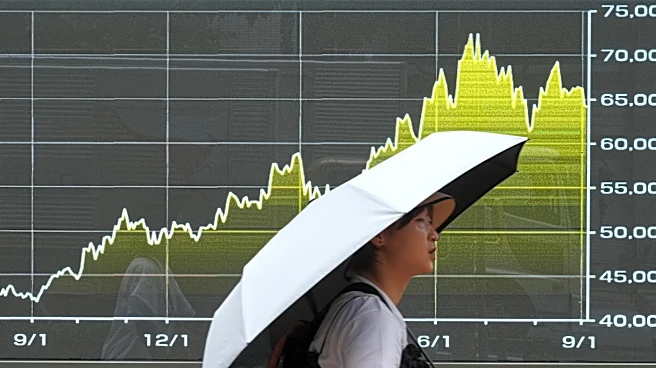
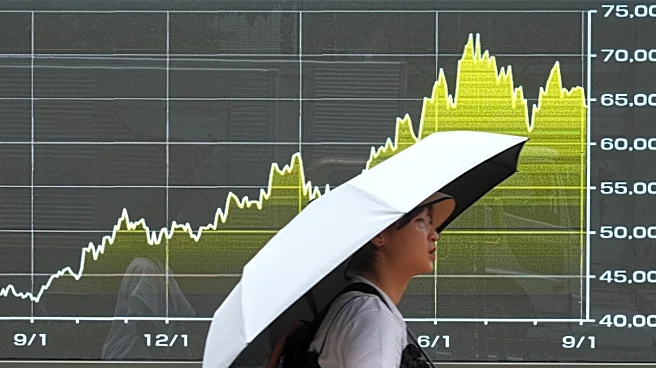
A resurgence in inflation has knocked the equity market in the past few weeks, in large part because of the surge in bond yields to multi-year highs, which puts central banks under pressure to raise interest rates.
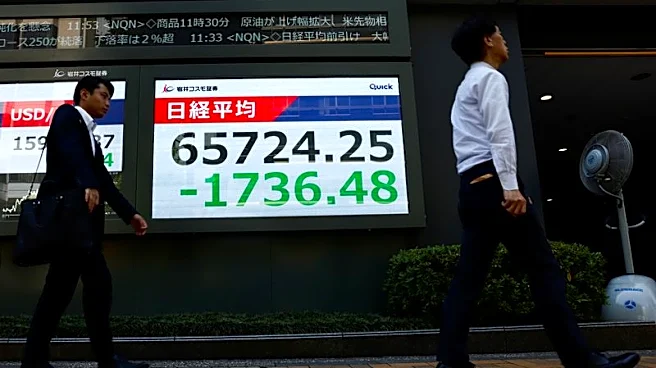
The European Central Bank is all but certain to raise euro zone rates by a quarter point on Thursday this week, while the chances of the Bank of Japan doing the same next week are intensifying, which has set the yen on course for its strongest rally in two years.
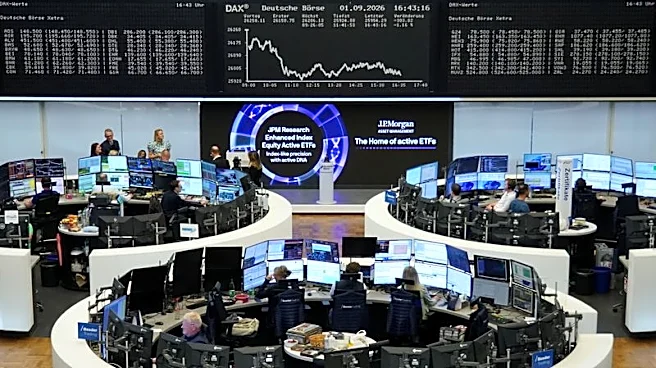
Equity markets in Europe slipped, leaving the STOXX 600 down 0.4%, while futures on the S&P 500 were off 0.3% and those on the Nasdaq were up 0.1%, suggesting a small lift for tech stocks when Wall Street reopens later after a long weekend.
U.S. inflation data on Friday could prove decisive in setting expectations for the outcome of the Federal Reserve's meeting next week. Right now, money markets show traders are attaching a roughly 58% chance of a rate rise.
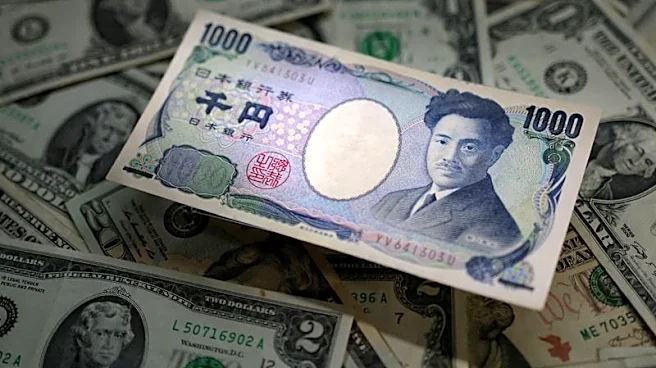
Oil stole the spotlight on Tuesday, but the yen's surge may prove the bigger story for global markets. Because of its status as a low-yielding currency, traders have borrowed yen in earnest to fund purchases of higher-yielding assets across currencies, bonds and equities, a strategy known as the carry trade.
But with the BOJ preparing to raise rates, Japanese bond yields at or near record highs and capital beginning to flow home, that trade is starting to unwind. In 2024, the last time the yen appreciated this quickly and carry trades reversed, a surge in volatility battered global equities.
In the last week alone, the yen has gained nearly 4%, its largest week-on-week increase since July 2024. On Tuesday, it was trading around 153.93, leaving the dollar down 0.3% on the day.
"Despite short-term fundamentals suggesting the move is overdone, it remains risky to stand in its way, particularly given the scope for further carry trade unwinding," ING strategist Francesco Pesole said.
On the broader economic front, data showed Japanese real wages rose 2.4% in July from a year earlier, the biggest increase since May 2021.
"With wage growth going from strength to strength, the case for the Bank of Japan to hasten the pace of tightening is becoming increasingly compelling," Capital Economics analysts wrote in a research report.
In commodities beyond oil, the price of copper hit a record high on Tuesday, as global supply tightened with the metal continuing to flow into the U.S. ahead of possible tariffs.
Three-month copper on the London Metal Exchange was up 0.7% at $14,613 a ton, having risen to as much as $14,624.
On the bond market, benchmark U.S. 10-year Treasury notes were yielding 4.804%, up 2 basis points on the day and not far off their highest since November 2023.
(Additional reporting by Gregor Stuart Hunter in Singapore; Editing by Shri Navaratnam)