





LONDON, Oct 22 (Reuters) - British pension funds could have greater exposure to AI-related risks than trustees realise, Britain's pensions regulator said on Thursday, and urged them to challenge advisers on how a market downturn could affect their portfolios.
In a statement the Pensions Regulator, or TPR, said AI was increasingly embedded across sectors, meaning even an apparently diversified portfolio could have "hidden exposure".
It said trustees should assess both direct and indirect AI-related
exposure across asset classes and stress-test how portfolios would perform under severe market stress.
Ben Gunnee, executive director of market oversight at the TPR, said all pension schemes must maintain standards of investment governance and manage risk over the short, medium and long term.
“That is why trustees should assess their AI-related exposure, test portfolio resilience and challenge advisers now to understand how market developments could affect their investments under different market conditions,” he said in a statement.
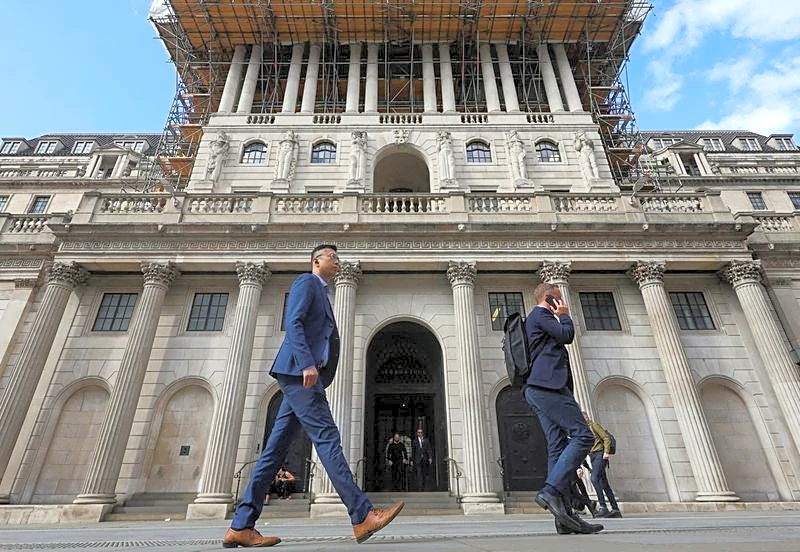
The Bank of England in a report in July also flagged the risk of a lack transparency in some AI funding arrangements may make it hard to identify the extent of the issue, meaning any selloff in highly valued AI stocks could have a very broad impact.
Global corporate investment in AI-related activity more than doubled in 2025, according to the Stanford Institute for Human-Centered Artificial Intelligence's 2026 AI Index Report.
(Reporting by Phoebe Seers; editing by Barbara Lewis)