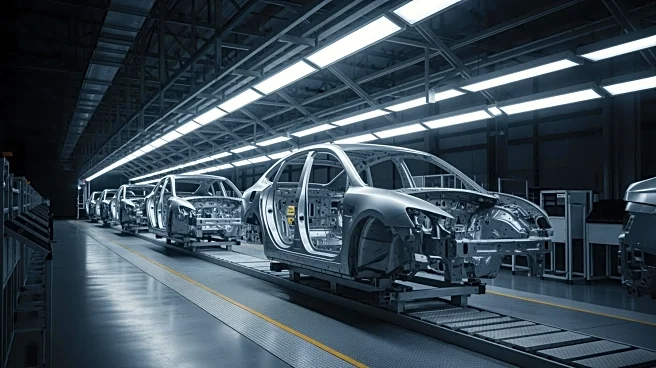



April 1 (Reuters) - New vehicle sales in the U.S. are expected to fall in the first quarter of 2026, as economic uncertainty, high borrowing costs and vehicle prices keep buyers on the sidelines.
Industry expert Cox Automotive expects first-quarter sales to drop 6.5% from a year earlier and annual sales to drop 2.6%.
"The loss of EV tax credits, coupled with ongoing elevated interest rates and vehicle prices will lead to a slower pace," said Charlie Chesbrough, senior economist at Cox Automotive.
The
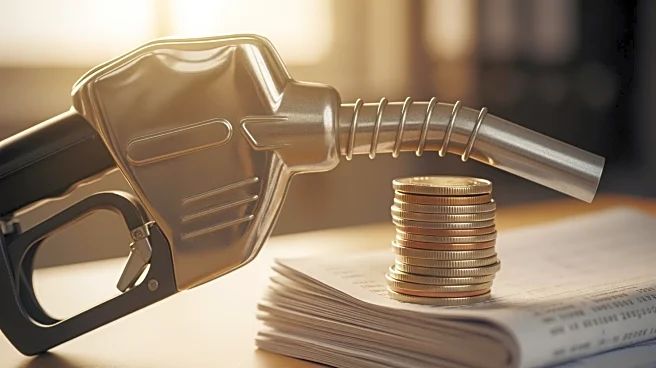
U.S.-Israeli war on Iran has added to the strain, with rising oil prices posing a risk to consumer spending. Gas prices are approaching a national average of $4 per gallon.
"High fuel prices are typically things that will create disruptions. But so far, we haven't seen anything drastic in that regard. I'd hate to be a pessimist here, at this point, I feel there's a lot of reasons to be optimistic for the year for us," said Scott Bell, vice president, global, at carmaker Chevrolet.
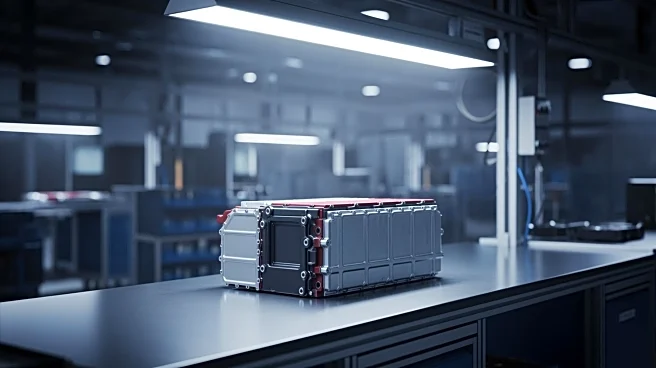
Electric vehicle sales, which surged ahead of a federal incentive cut last year, are expected to fall about 28% in the first quarter, Cox said.
Although higher fuel costs typically boost interest in EVs, analysts say overall demand could be hit if car prices stay high.
"Pure EV shopping interest has climbed to its highest point so far in 2026," said Erin Keating, senior director of economy and industry insights at Cox Automotive.
"We've had peaks before, so while this trend is encouraging, we're not in uncharted territory," Keating said.
General Motors is expected to top the sales numbers in the quarter, although its volumes are expected to fall about 10%. Toyota is expected to gain some market share and retain the second spot.
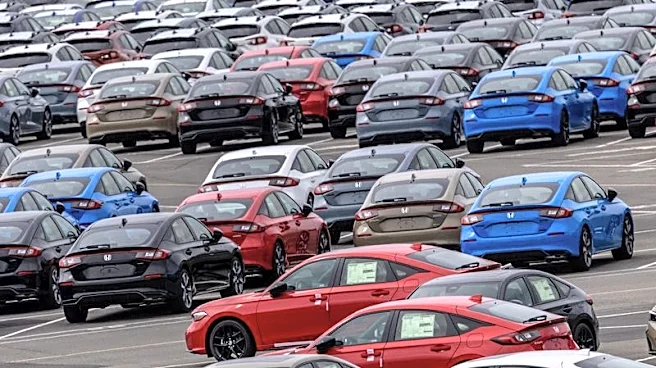
At dealership lots, rising inventory levels are driving more competition among dealers, which could benefit buyers looking for better deals.
"When you have more vehicles than you have customers, it is going to be very competitive," said Jason Hoff, CEO of Mercedes-Benz North America.
Jim Walen, a Stellantis and Hyundai dealer in Seattle, expects flat sales this year as consumer sentiment weakens, even as automakers push for growth, potentially leading to higher discounts.
(Reporting by Nathan Gomes in Bengaluru and Kalea Hall in Detroit; Editing by Sahal Muhammed)