




By Amanda Cooper
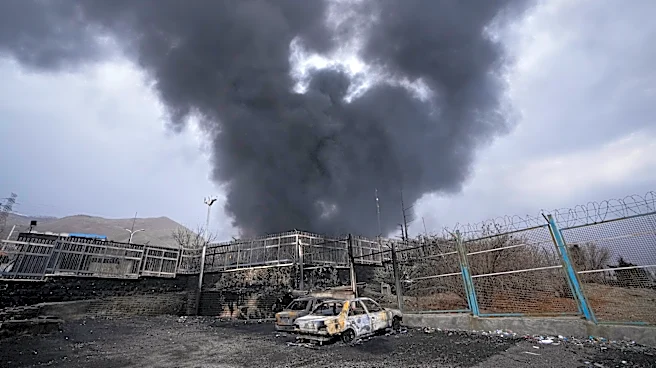
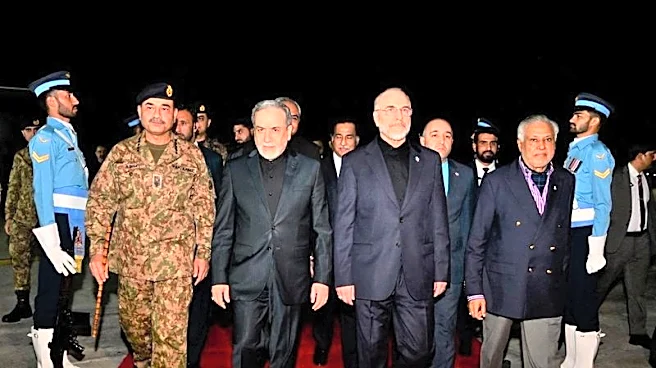
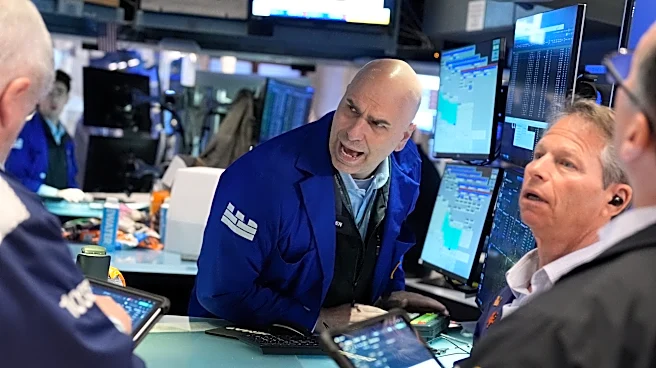
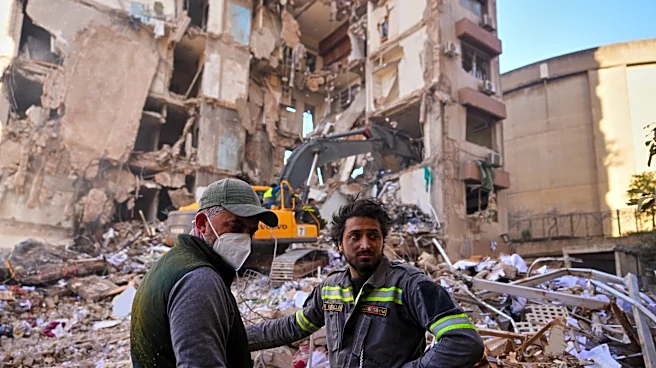
LONDON, April 12 (Reuters) - The dollar jumped against other major currencies in early Asia trading on Monday, as investors sought its relative safety after marathon talks between Washington and Tehran failed to yield a peace deal, plunging markets into a seventh week of uncertainty.
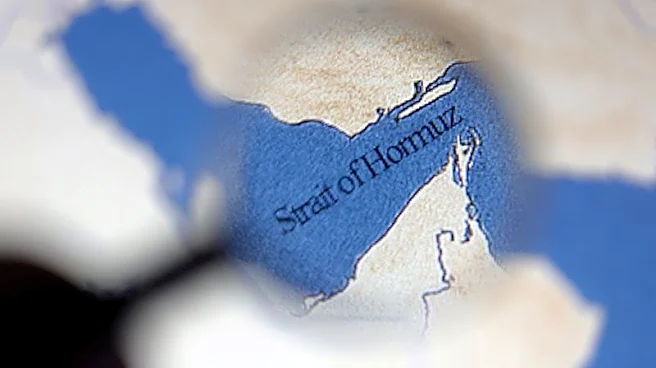
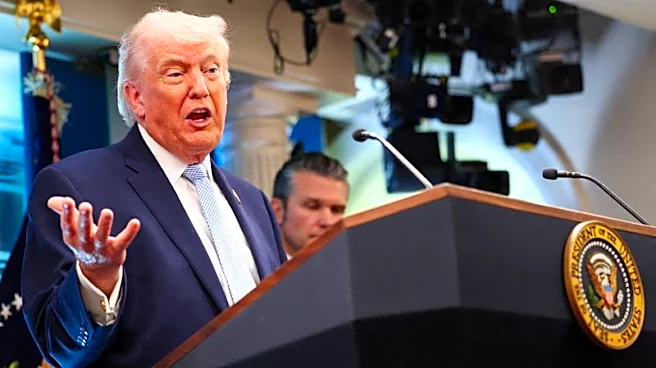
President Donald Trump on Sunday said the U.S. Navy would start blockading the Strait of Hormuz nL1N40U07M, a choke point for 20% of the world's daily energy supplies that Iran effectively closed since
the war started in late February. That has driven oil prices up by over 30% and fuelled fears of a widespread surge in inflation.
The dollar, which has acted as a safe haven given the limited exposure of the United States to imported energy-price inflation, rallied as Asian markets opened for trading, leaving the euro down 0.53% at $1.1663 and gaining 0.1% against the Japanese yen to trade at 159.43.
US stock futures fell more than 1% in late Sunday U.S. trading.
Hopes the Middle East war was close to an end, after last week's ceasefire announcement, had flowed through markets this week, helping the S&P 500 recover nL6N40T177. As of Friday, the index had recouped nearly all its decline since the U.S. and Israel began military strikes in late February.
The U.S. and Iran on April 7 announced a two-week ceasefire that investors initially cheered by selling oil and putting some capital back into risk assets such as stocks. Concern over the fragility of the deal has since prompted an unwinding of some of those trades.
"This is an absolute unwinding of any optimism heading into the peace talks into that play of dollar: safe-haven; oil jumping and selling out of everything else," City Index senior market analyst Fiona Cincotta said.
"On the other hand, we have seen the markets over-exaggerate sometimes. And I think especially around this scenario, the market is struggling to really price it correctly, because there is so much uncertainty, so many unknowns."
More risk-sensitive currencies such as the Australian dollar and sterling came under heavy pressure, falling 1.1% and 0.5%, respectively.
With expectations building for a resurgence in inflation, investors have priced in the possibility of several central banks, such as the European Central Bank and Bank of England, leaning towards raising interest rates this year, in stark contrast with expectations prior to the war for borrowing rates to remain unchanged or fall.
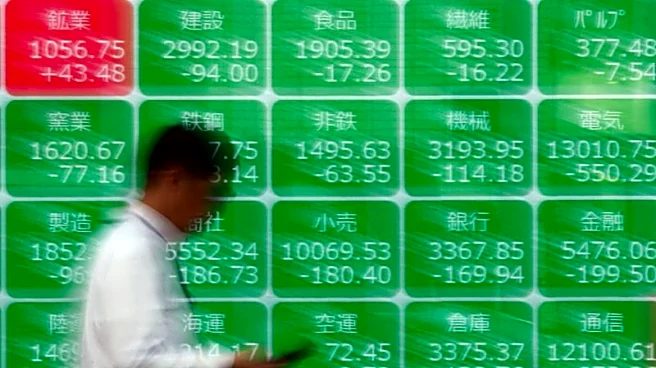
Global equities, which ended last week around their highest since early March, buoyed by optimism that the United States and Iran were heading towards some kind of resolution, are still 2% below where they were prior to the war breaking out.
Gold has lost about 10% in value since late February, as investors see the dollar as a better safe-haven right now.
"The market is now largely back to conditions before the ceasefire, except now the US will block the remaining up to (2 mln barrels) Iranian-linked flows through the Strait of Hormuz as well," said Saul Kavonic, MST Marquee analyst in Sydney.
"The key remaining question is if the U.S. renews strikes on Iran, raising the risk of strikes on energy infrastructure across the region which could have a further lasting impact beyond the duration of the war."
Trump said on Sunday that the price of oil and gasoline may remain high through November's midterm elections, a rare acknowledgement of the potential political fallout from the war.
(Additional reporting by Scott Murdoch in SydneyEditing by Vidya Ranganathan and Aurora Ellis)