





By Alun John, Dhara Ranasinghe and Sophie Kiderlin
LONDON, July 24 (Reuters) - Renewed hostilities in the Gulf have revived stagflation talk, dimming hopes the interim deal between the U.S. and Iran had come in time for the world economy to avoid elevated inflation alongside stagnant economic growth.
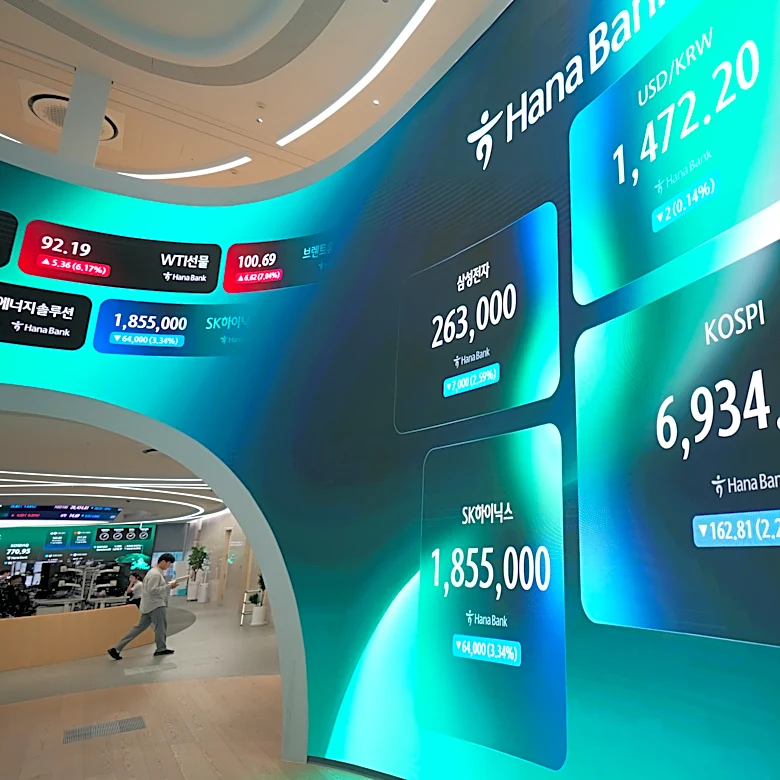
Instead, oil prices are back at $100, European gas prices are set for their biggest monthly jump since March and government borrowing costs are at multi-year highs on inflation angst as tensions escalate
once more.
Trade frictions are adding to the uncertainty facing consumers, businesses and investors. The U.S. on Friday imposed new tariffs of 10% and 12.5% on goods from 60 trading partners, including the European Union and China, likely raising prices further.
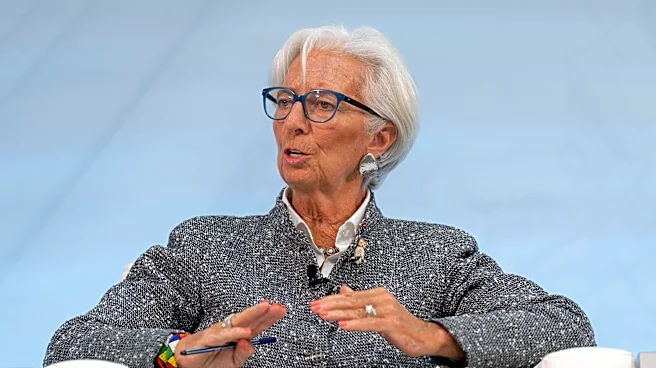
"Stagflation risk has been very much there for each economy since March, in different ways," said Alessia Berardi, head of global macroeconomics, Amundi Investment Institute.
The latest broadening of the conflict, "increases the risk of stagflation for sure," she added.
Here's how this is stacking up across markets:
STRAIT UP
Energy prices remain the key driver of near-term inflation expectations, so no wonder this week's jump has resonated.
Brent crude oil, which fell to as low as $70 in early July on ceasefire optimism, touched $100 again after Yemen's Houthis said they struck two Saudi oil tankers in the Red Sea, widening disruption to global shipping beyond the Strait of Hormuz.
Oil, up almost 40% in July, is set for its biggest monthly jump since March. So are benchmark European natural gas futures, now at their highest since March as well.
WHAT ABOUT INFLATION EXPECTATIONS?
U.S. inflation for June came in lower than expected last week, but relief proved brief, as this week the higher energy prices pushed government bond yields from the U.S. to Japan and Germany up sharply.
Moves in market gauges of inflation expectations have been relatively modest but that could change..
Citi's head of FX quant investor solutions, Kristjan Kasikov, said that historically markets can lag in fully pricing the impact of agricultural and energy commodity price fluctuations.
"Market participants expect this rise in commodities to be transitory, but it is worth watching," he said.
Analytics firm Kpler estimates about a third of the world's fertilisers pass via the Strait of Hormuz, suggesting food prices could remain elevated for longer, hurting more vulnerable emerging markets.
This year's El Niño is also pushing prices higher.
DOUBLE WHAMMY
As a result, traders have resumed bets central banks will be forced into further rate hikes to keep price pressures in check.
They anticipate roughly two more quarter-point increases from the European Central Bank by year-end, on top of its June move. It left rates steady on Thursday but suggested further tightening may follow.
While U.S. rate hike bets eased after last week's inflation numbers, they soon re-emerged and markets now price roughly two hikes by January. U.S. inflation has overshot the Fed's 2% target for five years.
The challenge for policymakers, especially in energy importers like the euro area, is that raising rates also slows economic growth.
That's not helpful when the energy shock is already hurting.
Europe is particularly vulnerable.
"The European Central Bank has looked more willing to raise rates into oil-driven inflation than the Federal Reserve," said Andrew Sheets, global head of fixed income research at Morgan Stanley.
"That has the potential to be a double hit where Europe faces tighter financial conditions through higher energy prices and tighter financial conditions through tighter policy."
Just as oil hit $100 on Thursday, the euro fell to three-week lows below $1.14.
ASIA'S BIND, U.S. NOT IMMUNE
The slowing growth side of stagflation may be materialising too, as the war could knock global growth back to as low as 1.3%, from 2.9% last year, the World Bank's chief economist told Reuters this week.
Asia, which buys most of its oil from the Gulf, is vulnerable, particularly those countries in South and Southeast Asia that struggle to pay higher energy prices.
Japan can pay, but with its yen languishing at four-decade lows versus the dollar it's costly — the value of its imports jumped to a record high in June, further driving inflation.
Although the United States, which exports energy, is less exposed it is not immune.
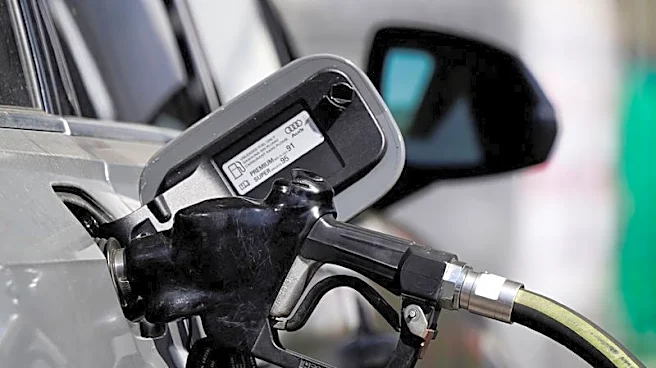
Average prices at the pump are back above the "psychological threshold" of $4 a gallon, painful in the mid-summer "driving season", while combined fuel expenses at four major U.S. airlines were nearly $8 billion higher than a year earlier.
And home buyers are feeling the pinch too. Higher U.S. Treasury yields mean the interest rate on the most popular type of home loan rose last week to the highest since last August.
(Reporting by Alun John, Yoruk Bahceli, Samuel Indyk, Sophie Kiderlin and Dhara Ranasinghe; Editing by Susan Fenton)