




By Nicole Jao
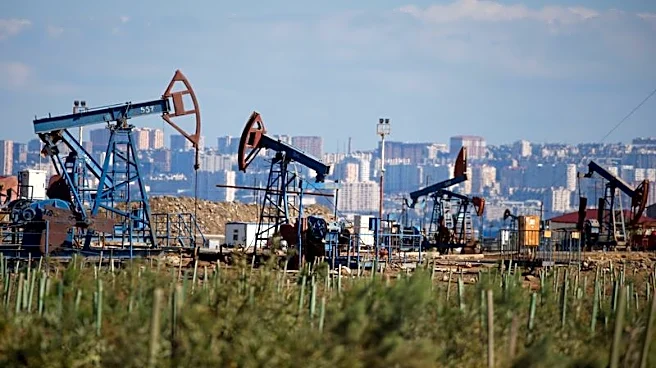
NEW YORK, Sept 3 (Reuters) - Oil prices were mixed on Thursday, supported after U.S. strikes on Iran and renewed Israeli threats against Tehran revived concerns about disruption to Middle East supplies but pressured by comments from Russian President Vladimir Putin signaling openness to peace negotiations.
Brent crude futures settled down 11 cents, or 0.12%, at $95.52 a barrel while U.S. West Texas Intermediate crude futures rose 29 cents, or 0.32%, to $91.30. Both contracts hit six-week
highs earlier in the session.
Iran's health minister said 18 people were killed and 108 wounded in Tuesday night's U.S. strikes across Iran. The Iranian Red Crescent said four people were killed and 67 wounded at a wedding ceremony near the coast of the Strait of Hormuz.
Three Iranian Army pilots were killed in the U.S. strikes, the semi-official Tasnim news agency reported.
The attacks were the most substantial exchange of fire between the United States and Iran since July. The war, which began with U.S.-Israeli strikes at the end of February, is in its seventh month.
Vice President JD Vance told reporters on Thursday that the U.S. does not plan to hold talks with Iran unless Tehran stops attacking commercial shipping in the Strait of Hormuz.
"The market will watch out if the U.S. strike earlier this week was one off event or not," said UBS analyst Giovanni Staunovo.
Israeli Defence Minister Israel Katz renewed warnings that Israel would "cripple" Iran's military and civilian infrastructure, including energy facilities, if Tehran launched attacks against it.
Saxo Bank analyst Ole Hansen said Katz's comments had helped to push oil prices higher.
Comments from Russian President Vladimir Putin indicating openness to peace negotiations with Ukraine could help ease concerns about Russian fuel supply disruptions if attacks on refineries decline and production normalizes, a factor pressuring prices on Thursday, said Phil Flynn of Price Futures Group.
Putin said on Thursday there was a chance of reaching an agreement to end the war in Ukraine. Speaking at an economic forum in Russia's far east, he said a number of countries including the U.S. and China were ready to support a peace settlement.
FEWER VESSELS TRANSIT STRAIT
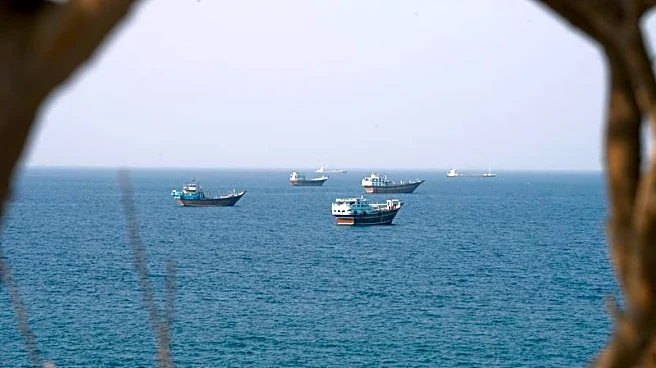
Six commodity vessels transited the Strait of Hormuz on Wednesday, down from 11 a day earlier and well below the 10-day average of around 13, preliminary shipping data showed on Thursday.
"The oil market remains tight, with oil inventories still declining globally translating into higher prices," said UBS energy analyst Giovanni Staunovo.
Meanwhile, Iran added ships to the list of vessels it deems non-compliant and subject to fines, confiscation or detention if they try to sail through the strait.
Iraqi vessels are among those Iran has allowed to pass through Hormuz.
Iraq increased its oil exports to around 2.34 million barrels per day in August from about 1.35 million bpd in July, two Iraqi energy officials said on Wednesday, with September exports also expected to increase as heavy discounts and Iranian approvals for Iraqi tankers encouraged buyers.
(Reporting by Nicole Jao in New York and Shadia Nasralla in London; Additional reporting by Sam Li and Colleen Howe; Editing by Susan Fenton, Barbara Lewis, Kirsten Donovan and David Gregorio)