





By Anton Bridge
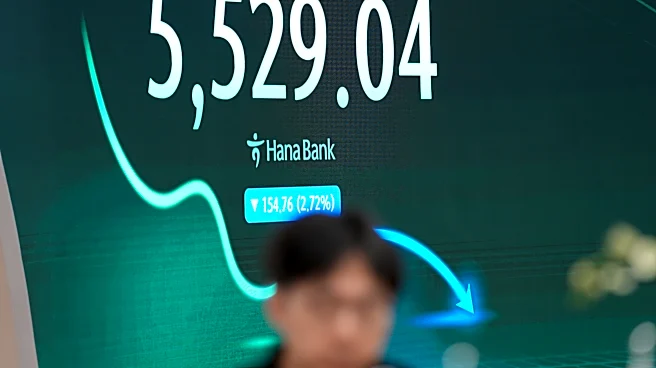
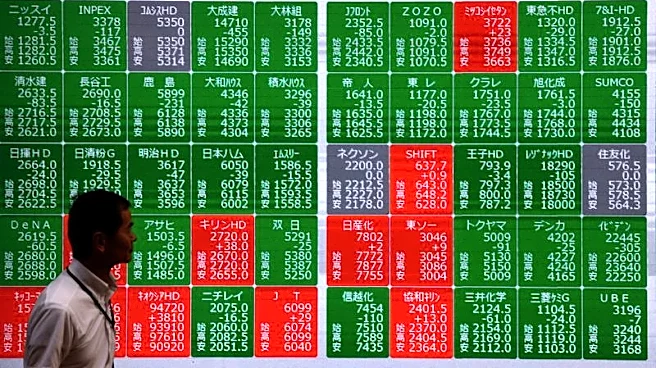
SINGAPORE/TOKYO, Nov 6 (Reuters) - SoftBank Group shares dropped 11% on Friday and the cost of insuring its debt against default hit a four-year high as worries about AI profitability roiled the world's financial markets.
The 5-year credit default swap spread for SoftBank rose to as much as 466 basis points on Friday, the widest since October 2022, and was at 457.50 bps at 0653 GMT, according to Markit data. That level indicates a default probability of 30.6%, the data showed.
SoftBank
is seen as a bellwether for the prospects of AI investment due to its $64.6 billion investment in frontier model developer OpenAI, 90% stake in chip designer Arm and financing of data centre development through subsidiary SB Energy.
Investors have increased their scrutiny of SoftBank's finances this year as it has taken on more debt at record yields to fund its OpenAI stake, while prospects for a return on investment have been pushed back by OpenAI delaying its public offering to 2027.
The Democratic Party's sweeping wins at this week's midterm elections in the US have sparked fears of a slowdown in the pace of AI infrastructure development, adding to a rise in the credit default spreads of firms that have taken on debt to lead the buildout.
In September, SB Energy filed for a public listing at a potential valuation of $50 billion but media reports say the listing has been delayed until December or later.
The IPO filing revealed it expects revenue of some $439 billion based on its contracts with end-users but does not currently have any operational data centres and is substantially dependent on OpenAI.
"There's been a steady decline in the credit standing of AI infrastructure firms and this week equity markets are finally pricing in a slowdown in data centre development, but I think we've hit the bottom near term," said Amir Anvarzadeh, Japan equity market strategist at Asymmetric Advisors in Singapore.
SoftBank's shares ended down 10.8% on Friday and have fallen by almost half since the start of September.
The midterm election results have put one-third of US data centre capacity projected for 2027 and 2028 at risk as the planned data centres sit in states where governors may now slow development, Rolf Bulk, head of semiconductors and infrastructure at the Futurum Group, said.
But the elections will not impact demand in the near term and most data centres due for completion in 2027 have already passed regulatory hurdles and secured power, chips and other components, Bulk said.
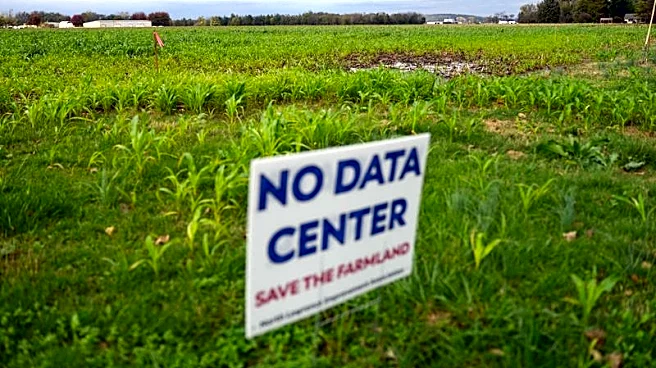
The longer term future for data-centre developers and their funders is less certain as political opposition grows and equity and debt investors have become more focussed on generating returns.
"I think after stocks rally from this week's falls we're going to see confirmation of the slowdown coming through next year and reality setting in, with share prices likely to test these lows again," Asymmetric's Anvarzadeh said.
(Reporting by Tom Westbrook and Anton Bridge; Editing by Thomas Derpinghaus and Christian Schmollinger)