




By Samuel Indyk and Jiaxing Li
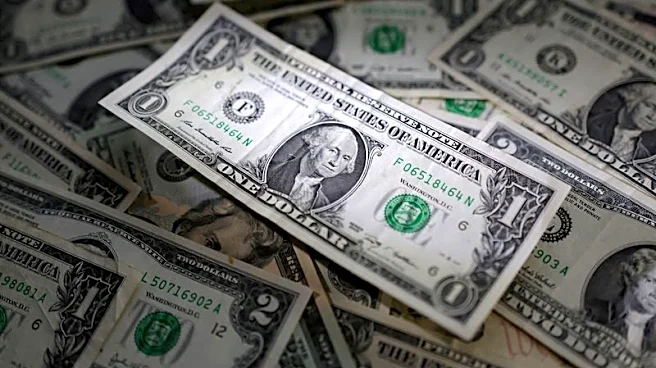
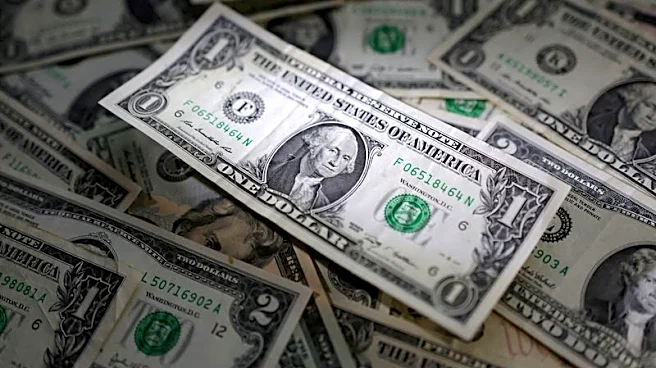
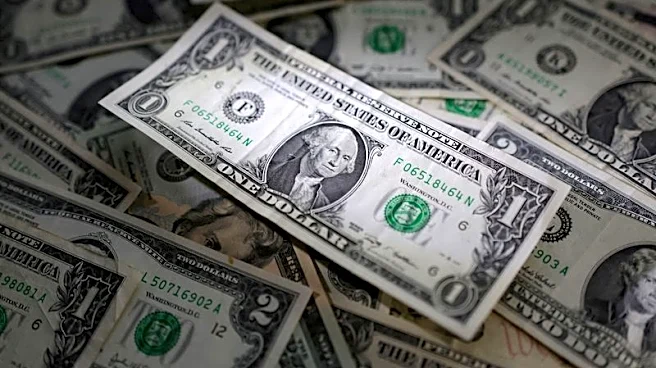
LONDON, Sept 28 (Reuters) - The dollar was steady near a two-month high on Monday as the US-Iran standoff pushed up oil prices and Treasury yields, while investors looked ahead to a data-packed week for further clues about the path of central bank policy.
The dollar index, which measures the US currency against a basket of peers, was little changed at 101.16 but was still set for a 1.7% monthly gain, its biggest since June.
The euro was at $1.1370, hovering near a two-month
low against the dollar and on course for a 2% decline in September. Sterling was little changed at $1.3249, but remained close to a three-month low of $1.3204 hit last week.
MIDDLE EAST DRIVES MARKETS
Oil prices climbed more than 3% with Brent crude futures last above $108 a barrel, after US President Donald Trump rejected a peace deal with Iran.
Energy supply risks and robust fundamentals in the US economy have heightened inflation concerns and prompted traders to price in a more hawkish Federal Reserve, while a relentless rise in long-end Treasury yields also supported the dollar.
"The rise in oil prices is dollar-positive mainly through the inflation and Fed channel," said Roberto Cobo, head of G10 FX strategy at BBVA.
The market focus is set to turn to US data releases, with the PCE Index on Wednesday and nonfarm payrolls on Friday both expected to be consistent with further policy tightening.
Currently, markets see a 70% chance of a quarter-point rate hike from the Fed at the October meeting, LSEG data shows, after the central bank raised its interest rate at the September meeting. Traders are almost fully pricing in four quarter-point hikes during the next 12 months.
"Markets have already moved significantly toward a hawkish Fed scenario," said BBVA's Cobo.
"This creates asymmetry for the dollar as another strong set of data would reinforce the case for further Fed tightening, which is largely priced in, but even a modest disappointment could trigger profit-taking following the dollar's recent rally."
Other data for the week include China PMIs on Wednesday ahead of the week-long National Day holidays and euro zone inflation data on Friday.
YEN STRENGTHENS AFTER WARNING
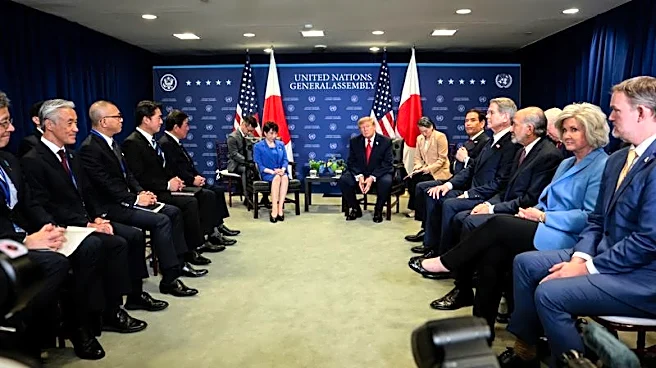
The yen rose as much as 0.4% to 156.51 per dollar after Japan's top currency diplomat Atsushi Mimura said on Monday that markets should take at face value the "very clear" message Tokyo and Washington delivered last week on the yen.
Japan's Finance Minister Satsuki Katayama and US Treasury Secretary Scott Bessent reaffirmed last week that the two countries intend to strengthen cooperation to address yen weakness.
Data on Monday showed Japan's service-sector inflation rose in August at the fastest annual pace in more than two years, highlighting mounting price pressures and bolstering the case for faster rate hikes from the Bank of Japan.
Japan's yen was last 0.2% stronger at 157.02 per dollar.
The Australian dollar fetched $0.7011 and the kiwi was at $0.5658.
The Reserve Bank of Australia is expected to raise interest rates by 25 basis points to a near 15-year high of 4.60% on Tuesday.
Elsewhere, China's offshore yuan strengthened slightly to 6.7159 per dollar, after Trump and Chinese President Xi Jinping's three-day summit did not yield any big public breakthroughs on a host of contentious issues.
(Reporting by Samuel Indyk and Jiaxing Li; Editing by Sonali Paul, Xevi Fontdegloria and Alexander Smith)