




By David Lawder
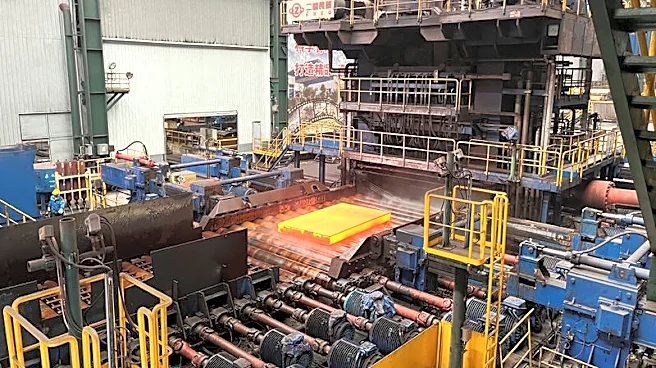
MILWAUKEE, Sept 30 (Reuters) - Members of an OECD forum on excess steel capacity agreed on Wednesday to work towards imposing more tariffs on steel from China and other overproducing countries, and to refrain from subsidies that maintain loss-making steel mills or encourage new uneconomic plants.
The Global Forum on Steel Excess Capacity said in a statement that its membership of 28 market-oriented economies agreed on the new framework to combat excess production, as a US-led G20 trade
ministers' meeting got underway in Milwaukee.
The OECD said excess steel capacity above global demand is expected to increase to 745 million metric tons from 601 million tons in 2025.
G20 member China, which produces over half the world's steel, is widely viewed as the largest source of excess capacity but is not a member of the forum, nor is India, the second-largest producer and a major exporter.
US Trade Representative Jamieson Greer on Wednesday dubbed the agreement the "Milwaukee Framework," saying it would likely encourage countries to raise trade barriers to "hold accountable" countries such as China that are responsible for a flood of cheap steel.
"Every country will do what they think is appropriate," Greer said of the agreement. "The United States has taken robust measures, and it probably makes sense for other countries to do that too."
The forum agreed that member countries should open more anti-dumping, anti-subsidy and global safeguard investigations that could lead to new duties to protect domestic producers. It said countries should also apply other trade measures on imports of steel and "derivative products containing steel from sources of global excess capacity."
The forum also agreed that countries should share more data on steel imports, including the "country of melt and pour" of the metal to help address circumvention of existing tariffs.
Philip Bell, president of the Steel Manufacturers Association, said the framework is "a step in the right direction."
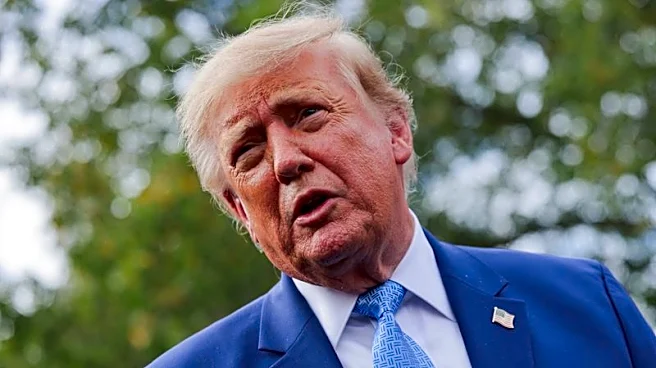
Bell added in a statement that the Trump administration's tariffs on steel imports, now at 50% globally, "have created the stable, predictable market environment that domestic producers need to invest, expand, and compete" in the US.
G20 FOCUS ON CHINA POLICIES
China's excess industrial capacity and industrial subsidies have been key themes of the US-led G20 ministerial meetings so far this year.
At a G20 finance ministers meeting in Asheville, North Carolina, earlier in September, all G20 member economies except China agreed to take action against "non-market" economic policies and trade distortions that cause over-reliance on exports.
China's turbocharged exports have propped up its economic growth despite weak domestic demand, while flooding Europe, Latin America and other regions with cheap goods, pressuring domestic industries. Besides the steep tariffs on steel, the US has also banned imports of Chinese vehicles on national security data-collection grounds.
Some foreign trade ministers present in Milwaukee were enthusiastic about the actions.
"We see that China is really heavily subsidizing its production and export of steel products," said Andrzej Domanski, Poland's finance and economy minister. "This is a problem for many, many countries in the European Union, for Poland as well. And, of course, this is one of the issues that we want to raise here in the United States."
(Reporting by David Lawder' editing by Michelle Nichols, Sanjeev Miglani and David Gaffen)