



By Tom Westbrook, Ankur Banerjee and Sruthi Shankar
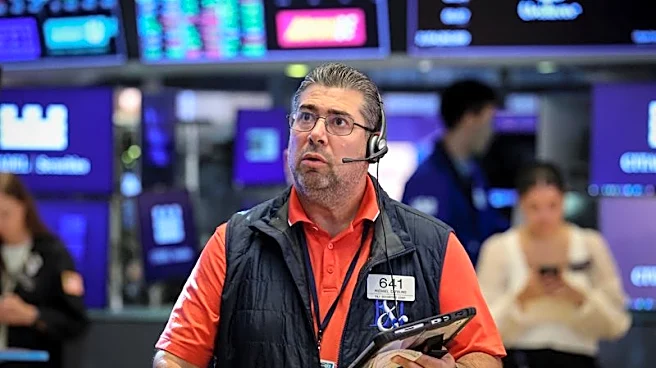
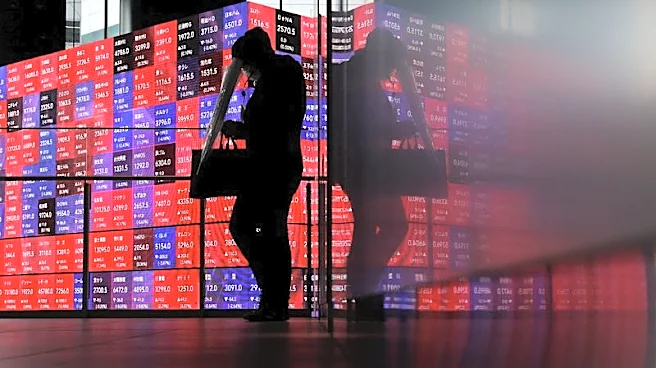
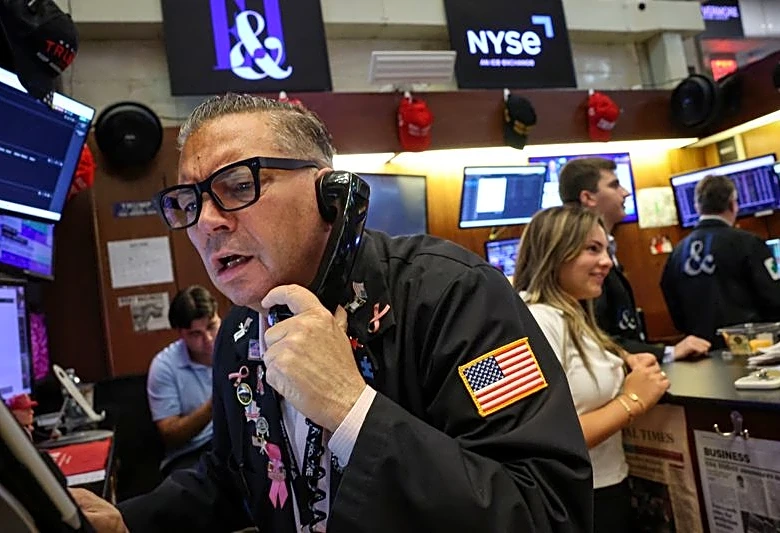
July 28 (Reuters) - World stocks fell to a one-month low on Tuesday, as investors dumped chipmakers on concerns about Chinese competition and funding of the AI boom, while rising odds of a U.S. interest rate hike as early as this week further dampened the mood.
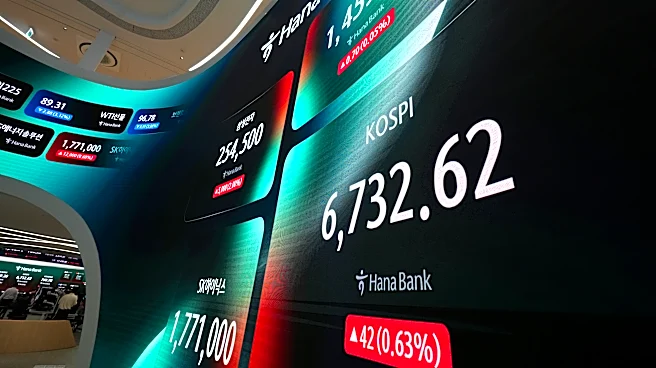
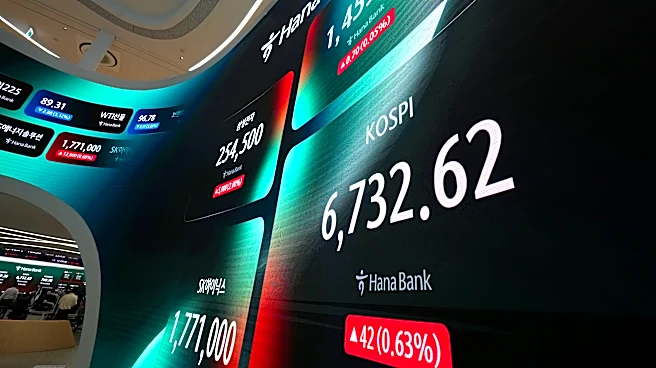
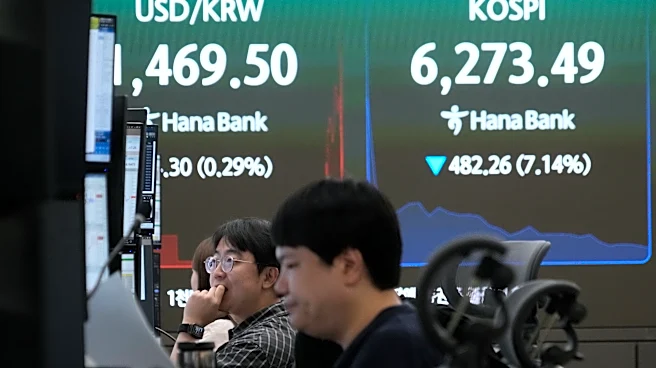
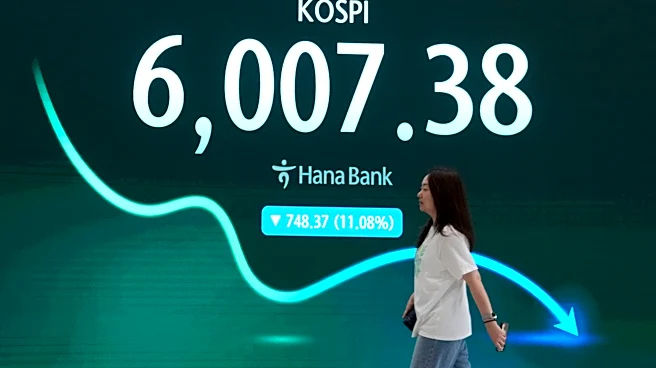
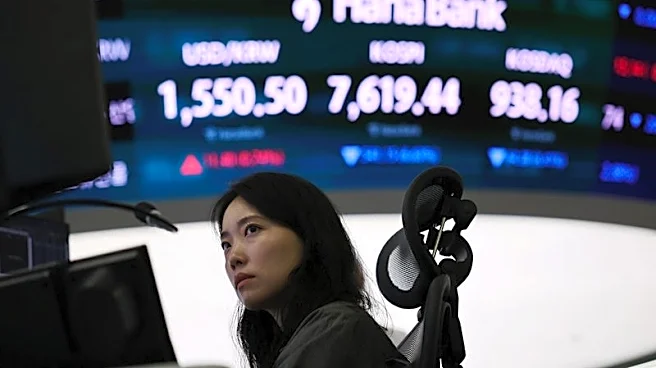
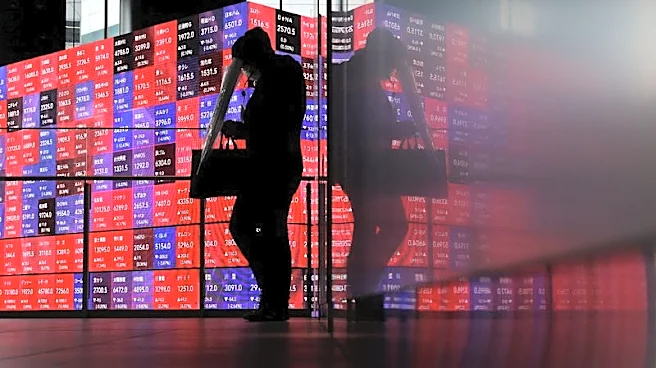
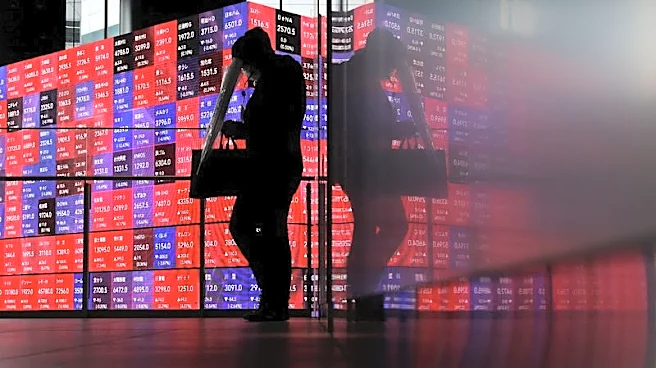
Asian chipmakers were at the heart of Tuesday's selloff, with South Korea's KOSPI diving more than 10% to a three-month low, triggering a circuit breaker on the way down as it heads for its
largest monthly fall on record and surpassing declines suffered during the Asian financial crisis in 1997. The index had more than tripled in value over the 12 months to June, but it has shed more than a third of its value since that peak.
Shares in SK Hynix and Samsung Electronics, which are under extra pressure in a market transformed by leverage, made losses of more than 12% as their stratospheric rally unwinds in a hurry.
Wall Street looked set for a weaker open as Nvidia and Micron Technology's shares fell in premarket trading. Nvidia shares had already shed 5% overnight after the Wall Street Journal reported the company was in talks to provide roughly $250 billion in financing guarantees for OpenAI as part of a massive data centre project.
European stocks outperformed as positive earnings reports from Unilever and Mercedes-Benz helped offset losses in technology stocks. [.EU]
The MSCI All Country World Price index fell 0.5% to its lowest since June 29.
"You've seen the companies paying for AI, the hyperscalers, not really participating because of concerns about the cost and the degree of leverage that needs to be taken on. And now we're seeing questions over the profitability of the semiconductor space, particularly in Asia," said Dorian Carrell, head of multi-asset income at Schroders.
"The broader AI story has some way to go, but these kinds of (profit) growth rates are rarely sustained. We think that it's healthy that the market's questioning these things."
China has begun manufacturing domestically developed immersion deep ultraviolet lithography machines, a chipmaking tool long dominated by Dutch supplier ASML, The Information reported on Monday, sending ASML shares down 8.5%.
China's CXMT Corp, the world's fourth-biggest memory maker, listed and raised $8.6 billion on Monday, too, ending its debut session as China's most valuable company.
OIL SLIDES, US RATE HIKE EYED
Brent crude futures extended Monday's nearly 9% plunge, falling more than 3% to $85.55 a barrel, as a lull in hostilities between the U.S. and Iran followed Washington's abrupt suspension of air strikes on Saturday.
President Donald Trump said on Monday the United States was having "good talks" with Iran and there was a chance of a deal.
The break in fighting pushed down benchmark 10-year U.S. Treasury yields by about 4 basis points to 4.64% on Monday, but hardly budged shorter-term rates.
Markets have priced about a 35% chance that the Federal Reserve hikes by 25 basis points on Wednesday.
"The U.S.-Iran war, by propelling the price of crude oil, remains the most important determinant of what will happen to the global economy ... and, by extension, what informs central bank policy outlooks, at the margin," said Thierry Wizman, currency and rates strategist at Macquarie Group.
"We expect that the (Fed) this week will wish to adopt a tightening bias."
Expectations for hikes sooner or later kept the dollar supported, holding the euro below $1.14 at $1.1370. The yen traded at 163.83 to the dollar, barely above a four-decade low, with markets on edge about Japan intervening in the currency pair — particularly if the Bank of Japan leaves rates on hold this week and sets off another yen slide.
"If BOJ communication is not hawkish enough and USD/JPY heads higher, traders should anticipate an official response, including verbal intervention, rate checks, or even direct FX market intervention, perhaps on Friday," said Wizman.
(Reporting by Tom Westbrook and Sruthi Shankar; Editing by Shri Navaratnam, Saad Sayeed, Amanda Cooper and Anil D'Silva)