






By Michael S. Derby
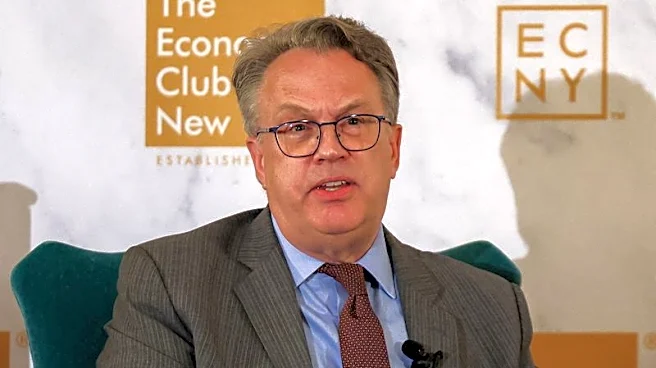
NEW YORK, April 16 (Reuters) - Federal Reserve Bank of New York President John Williams said Thursday that the Middle East war is already driving up inflationary pressures, in remarks that noted the central bank is in position to respond to whatever the economy might deliver.
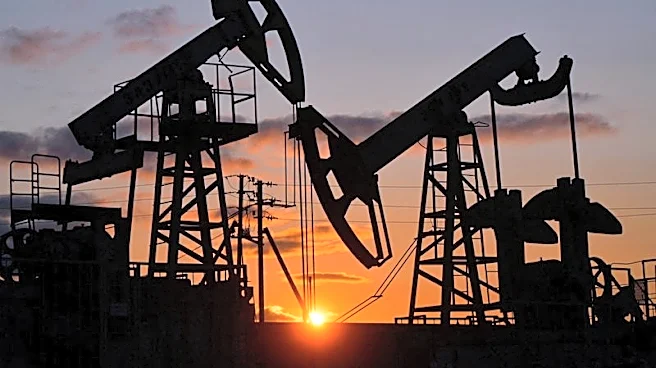
“Developments in the Middle East are driving significant increases in energy prices, which are already lifting overall inflation,” Williams said in remarks to the Federal Home Loan Bank of New York 2026 Member
Symposium.
If the disruptions end swiftly, energy prices should wane, he said. But if the war goes on for longer, the conflict "could also result in a large supply shock with pronounced effects that simultaneously raises inflation—through a surge in intermediate costs and commodity prices—and dampens economic activity.”
Williams warned this process “has begun to play out already.” He said there are mounting signs of supply chain disruptions and higher fuel costs are already passing through “in the form of higher airfares, groceries, fertilizer, and other consumer products.”
Amid these threats to the price pressure outlook, Williams reiterated his “unwavering commitment” to getting inflation back to target. And while he didn’t give firm guidance on what’s next for central bank interest rate policy, Williams said amid an “unusual set of circumstances,” Fed interest rate policy “is well positioned to balance the risks to our maximum employment and price stability goals.”
WAIT AND SEE
Williams’ comments on Thursday were largely consistent with his recent remarks that noted the central bank was in a wait-and-see mode as it seeks to understand how the war and a related massive surge in energy prices will impact the economy.
The Fed kept its interest rate target steady at its mid-March policy meeting at between 3.5% and 3.75%, while offering forecasts that penciled in one more easing at some point later this year. It next meets on April 28-29 and is not expected to change its interest-rate setting.
In recent days, Fed officials have offered little in the way of firm guidance about the outlook for short-term interest rates, although on Tuesday, in a CNBC interview, Cleveland Fed leader Beth Hammack noted there are chances for the central bank to lower or raise its target, depending on how the economy performs.
The energy shock hitting the economy from the war in the Middle East launched by President Donald Trump and Israel is already driving up overall inflation, from already elevated levels due to the president’s large-scale import tax hikes on American consumers.
Fed officials are waiting to see how long-lasting the price surge is and whether it drags underlying price pressures higher with it. The risk for the central bank is that it faces an environment where high inflation calls for rate hikes while those same prices depress demand, which would argue in favor of an easing in monetary policy.
In his remarks, Williams said inflation will likely rise to between 2.75% and 3% this year before retreating to the 2% target in 2027. He said a job market that’s sending out mixed signals will likely see an unemployment rate of between 4.25% and 4.5% this year, with growth coming in between 2% and 2.5%.
(Reporting by Michael S. Derby; Editing by Chizu Nomiyama )