
By Michael S. Derby
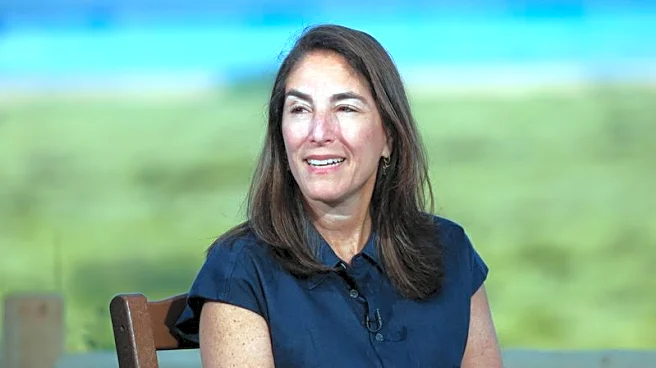
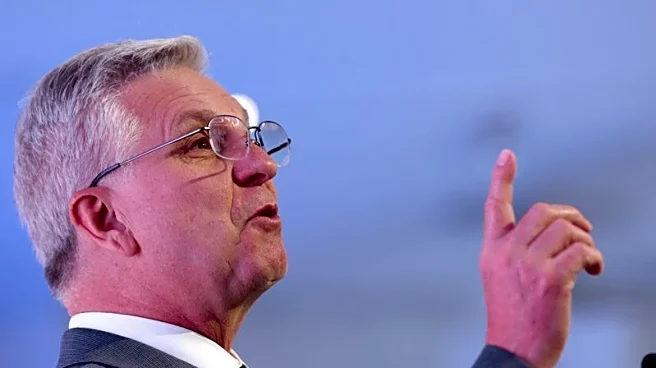
NEW YORK, Dec 17 (Reuters) - Federal Reserve Governor Christopher Waller, who is on the short list to succeed Fed Chair Jerome Powell next year, said on Wednesday he would "absolutely" defend the central bank's independence if it were challenged by a U.S. president.
Waller, who is set to meet with President Donald Trump about taking over from Powell when his term ends next May, noted that there are ways for the president and a Fed chief to interact and share their views without
compromising the central bank's work.
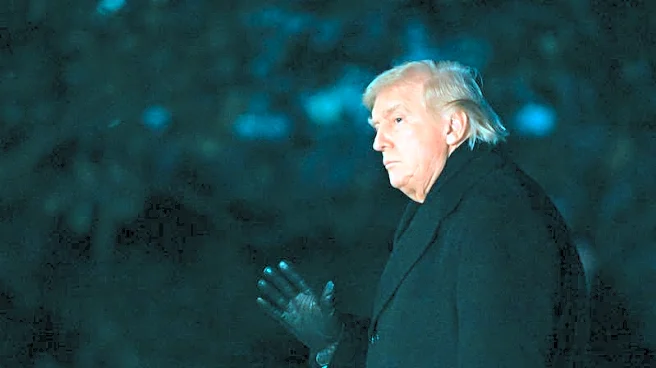
Trump "makes himself very clear on Truth Social" about what he wants out of monetary policy and "I don't think there's any confusion about it," Waller said in response to a question during the Yale School of Management CEO Summit in New York.
But in terms of direct interactions between a Fed chief and the president, the times when they should interact directly are limited, Waller said. Noting that Fed leaders have appropriately coordinated with presidents in times of crisis, most of the time a closer relationship is not needed, Waller said.
"The Fed chair and the secretary of the Treasury have breakfast every two weeks," Waller said, noting "that's a normal chain of communication where information can be passed from the White House to the chair about what the administration's needs are."
"That's a typical channel of communication. It's well understood, and I don't think there's anything wrong with continuing with that channel," Waller said.
Asked whether he'd defend the central bank's independence from a president who questioned that status, Waller said the answer would be "absolutely."
POWELL SUCCESSION RACE
Waller, a former director of research at the St. Louis Fed, became a Fed governor in 2020 after being selected to the job by Trump during his first term in the White House. Waller, White House economic adviser Kevin Hassett and former Fed Governor Kevin Warsh have been mentioned as the ones most likely to take over from Powell.
Trump has repeatedly attacked the Fed and Powell for not cutting interest rates as aggressively as he would like.
The Fed is independent as a matter of law, and a wide range of experts, as well as policymakers, believe central banks make policy better when they are free from political considerations. For example, the aggressively easy monetary policy advocated by Trump carries large inflation risks.
The president's Fed chief selection process has raised questions about how independent any nominee would be. In a highly unusual move, Trump installed White House economic adviser Steven Miran as a Fed governor, allowing him to serve as a central bank policymaker while on leave from his other role.
Waller has been a steadfast supporter of cutting rates to help buoy a weakening job market. And while some observers thought his early shift toward dovish monetary policy was part of a potential bid to succeed Powell, he has stressed that his view was driven by the data and subsequently supported by the economy's performance.
In his remarks on Wednesday, Waller said the Fed still has room to cut rates further because inflation risks are declining and job growth has weakened.
A poll shared at the Yale event showed that while corporate leaders strongly favored Waller as Powell's successor, only about a third of them think Trump will pick the Fed governor, similar to the odds of it being Hassett or Warsh.
(Reporting by Michael S. Derby; Editing by Paul Simao)