



By David Shepardson
Jan 15 (Reuters) - The California Public Utilities Commission on Thursday approved Verizon Communications' $20 billion deal to acquire fiber-optic internet providers Frontier Communications , clearing the way for the deal to close on Tuesday after Verizon agreed to a series of conditions.
California state regulators said Verizon committed to investing in 75,000 new fiber locations and building 25 new wireless towers to expand service in rural areas in the state. The company also
agreed to additional broadband‑deployment requirements and to provide free broadband service to many low‑income households in the state for at least 10 years. The approval was the final needed for the deal to close.
“The path to closing the Frontier acquisition marks a significant milestone in Verizon's evolution and is a bold step forward in Verizon's transformation to regain market leadership,” said Verizon CEO Dan Schulman.
“Upon closing, we will be uniquely positioned to offer our customers the best combined mobility and fiber experience for mobile, home internet, and other essential services across a significantly expanded footprint," Schulman said.
Verizon will also increase its commitments to tribal communities under the agreement, the commission said.
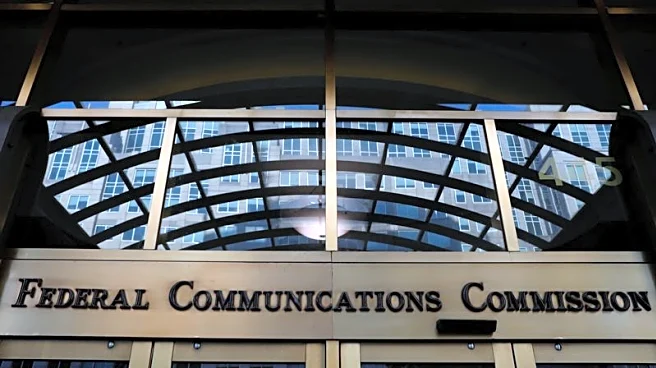
Verizon won approval from the Federal Communications Commission in May after the company agreed to end its diversity, equity and inclusion programs, which raised concerns from California. Shortly after taking office on January 20, Trump -- who designated Brendan Carr as chair -- issued sweeping executive orders to dismantle diversity, equity and inclusion programs in the U.S. and pressured the private sector to join the initiative.
Verizon agreed to buy Frontier in September 2024 for about $9.6 billion and absorb $10 billion in Frontier debt. Verizon expects to upgrade and expand Frontier’s existing network in 25 states and deploy fiber to 1 million or more American homes annually, the FCC said.
In February, Carr said he was opening a probe of Verizon for its promotion of DEI programs and said it could be a factor in the Frontier deal. Verizon said in May it was getting rid of its DEI website and removing references to DEI from employee training and making other changes to hiring, career development, supplier diversity and corporate sponsorship practices.
CPUC said the settlement would further its public policy goals of diverse supply chains and workforces, including a $10 million partnership with the California State University system.
(Reporting by David Shepardson in Washington; editing by Diane Craft)