





By Nicole Jao
NEW YORK, Aug 12 (Reuters) - Oil prices steadied in volatile trading on Wednesday, having earlier moved $1 higher, after forecasters cut projections for 2026 global oil demand, while attacks on ships in the Middle East continued as talks to end the Iran war hit an impasse.
Brent futures were down 3 cents at $88.88 a barrel by 12:10 p.m. ET (1610 GMT). U.S. West Texas Intermediate crude rose 11 cents, or 0.13%, to $83.31.
The Organisation of the Petroleum Exporting Countries lowered its
world oil demand growth forecast for 2026 to 580,000 barrels per day, it said in its monthly oil market report.
Rival forecaster the International Energy Agency, meanwhile, slashed its 2026 demand projections and now expects a 1.6 million bpd contraction this year. However, the Paris-based agency is also predicting a 4.3 million bpd drop in supply this year, and an overall 2026 deficit of around 1.27 million bpd.
"The key takeaway is that demand has declined significantly," Anas Alhajji, managing partner at Energy Outlook Advisors, said in a note. He cautioned, however, that demand figures include inventory changes and may therefore differ from actual consumption at any given time.
U.S. crude stocks posted a surprise build and made their largest weekly gain since January 2023 last week as exports slumped, the Energy Information Administration said on Wednesday. [EIA/S]
Analysts said the inventory build last week was mainly driven by unusually weak crude exports and a surge in imports.
TWO SHIPS ATTACKED IN MIDDLE EAST
Prices rose earlier after a senior Iranian source told Reuters there were no discussions between Iran and the U.S. to extend their ceasefire because, from Tehran's perspective, the deal had no start date and so there was nothing to extend.
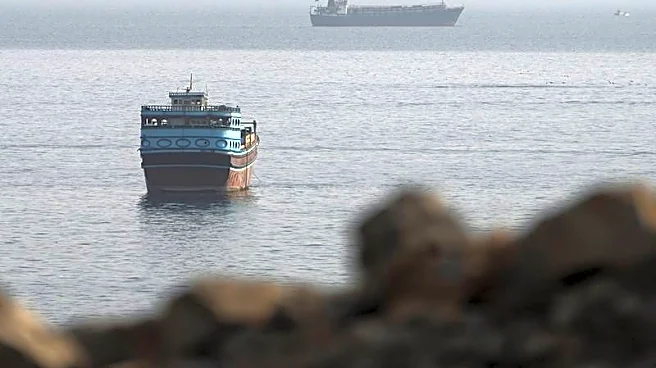
The U.S. and Yemen's Iran-aligned Houthis reported separate attacks on shipping in the Strait of Hormuz and the Bab el-Mandeb Strait on Tuesday, two crucial export routes for Middle Eastern oil and gas in addition to the Suez Canal.
Shipping data showed the number of vessels transiting Hormuz fell to a one-week low of eight on Tuesday. Before the war, 125 to 140 vessels passed through the crucial waterway each day.
(Additional reporting by Shadia Nasralla, Robert Harvey, Sam Li and Colleen Howe. Editing by Jan Harvey, Mark Potter and Chris Reese)