




By Stephanie Kelly
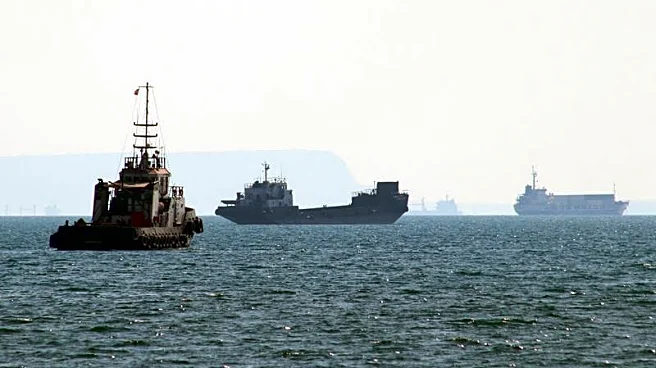
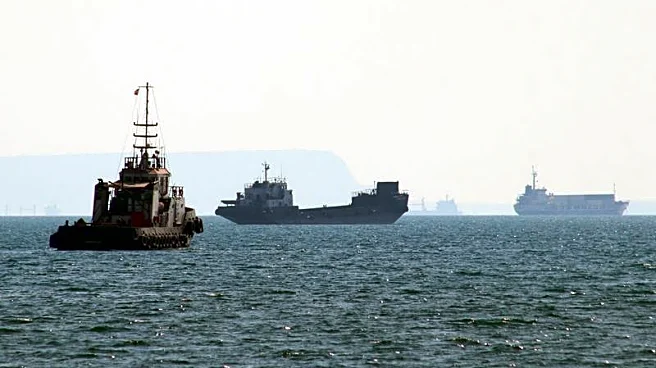
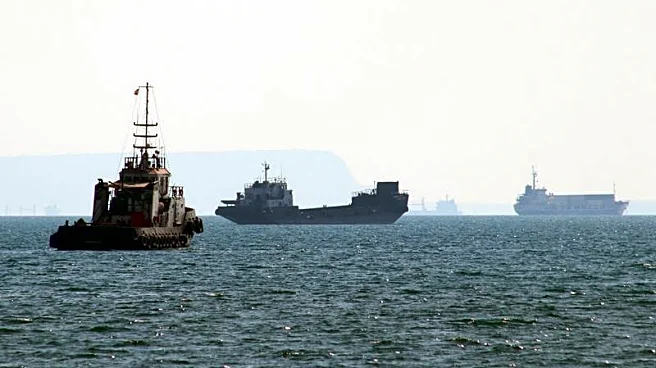
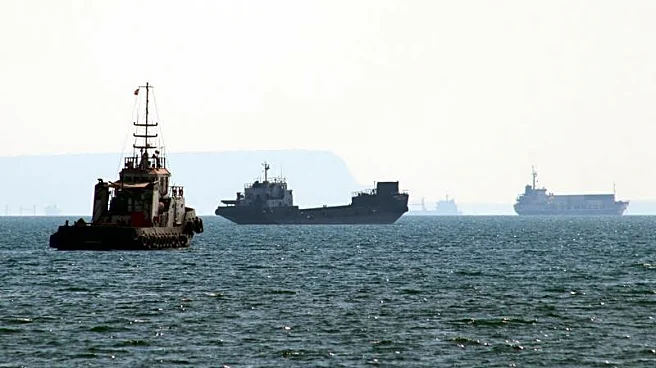
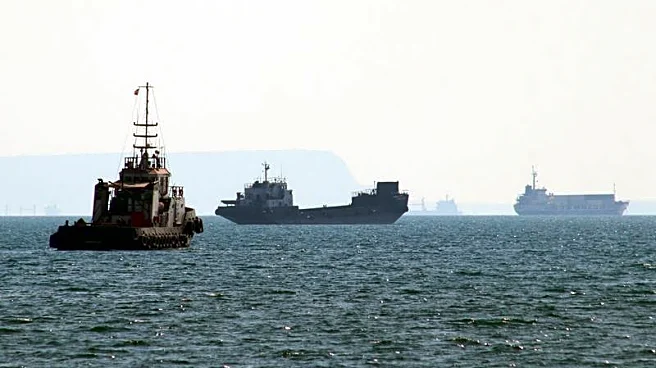
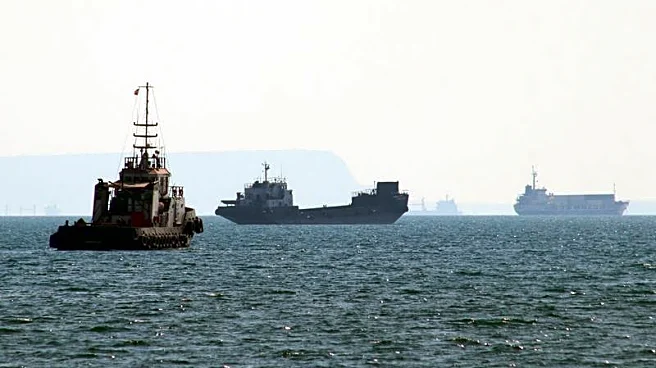
LONDON, Nov 24 (Reuters) - Oil prices fell to three-month lows on Tuesday on signs of rising crude supply and a potential market surplus, though risks to shipping through the Strait of Hormuz persisted.
Brent crude futures were down 75 cents, or 0.8%, at $88.62 a barrel by 0915 GMT, after hitting its lowest since August 27. US West Texas Intermediate crude futures were 64 cents, or 0.8%, lower at $79.53 a barrel, after falling to the weakest since August 10.
"Oil prices are facing
modest downward pressure from two sides: markets are pricing out some near-term geopolitical risk in the Middle East, while releases from strategic reserves are keeping supply relatively comfortable despite lower regional exports and stronger Chinese demand," said UBS analyst Giovanni Staunovo.
"Brent has largely lost any upward impetus in recent days as supply conditions remain benign despite the continued closure of the Strait of Hormuz, and the market weighs the possibility of a future supply glut against persistent Middle East tensions and shipping disruptions."
However, Suvro Sarkar, head of energy research at DBS Bank, said prices risk going higher again depending on talks between the US and Iran and as both parties could test the other's resolve in blockading the strait.
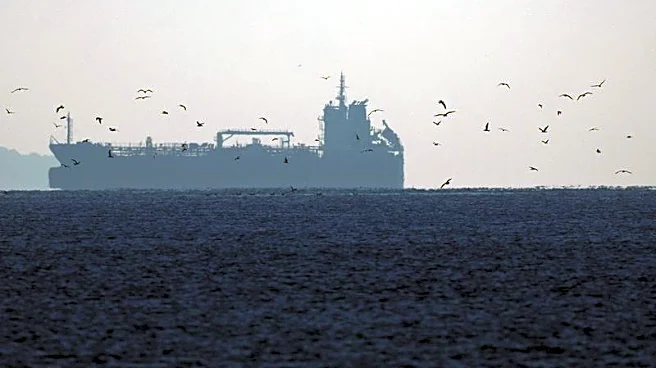
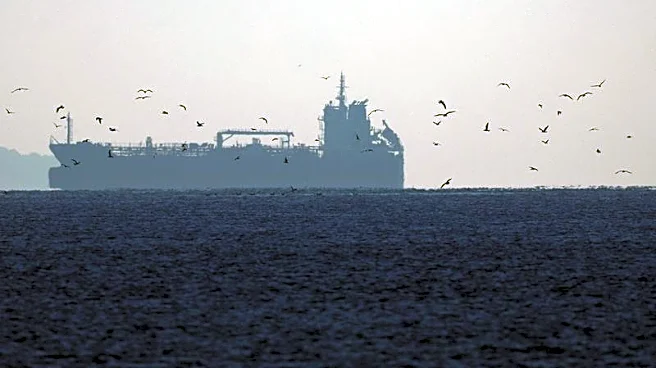
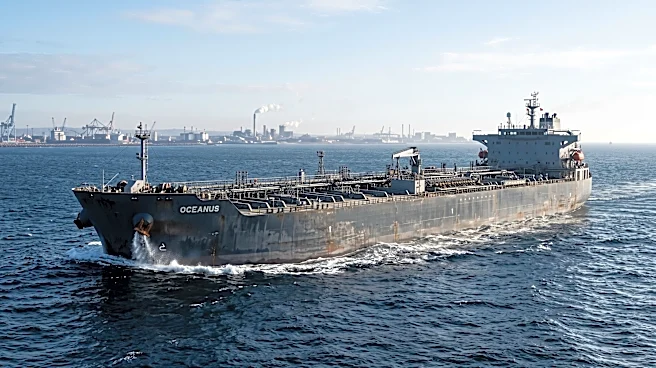
Iran's Revolutionary Guards navy said three "violating" oil tankers had caught fire after hitting naval mines in the strait on Monday, Iran's Press TV reported.
The United States is also investigating whether Iran was involved in cyberattacks on as many as 50 energy tankers, the Wall Street Journal reported, citing US officials and others familiar with the matter.
Libya's Sharara oil pipeline has reopened after an "unlawful group" closed a valve on the pipeline, and oil has begun to flow into storage tanks at the Akakus facility in Zawiya, the chairperson of the National Oil Corporation told Reuters on Monday.
China and India are on track for record Russian oil imports this year, plugging a supply gap shortage caused by the Iran war, according to tanker data and industry sources.
Temporary US waivers on Russian oil sanctions, aimed at keeping markets supplied amid the Middle East crisis, widened the pool of vessels and suppliers available to India and China, allowing them to increase purchases.
While better supply is weighing on prices, analysts said the market remained fragile.
"Oil prices, time spreads, refining margins and investor positioning increasingly suggest the market expects conditions to normalise," Daniel Hynes, senior commodity strategist at ANZ, said in a client note. "Yet logistics remain constrained and inventory buffers are thin."
Deutsche Bank said that global observed liquids' inventory rose in October, implying an oversupply of 1.7 million barrels each day. Evidence is accumulating that the global market is rebalancing and turning into surplus, although setbacks could delay progress, the bank said in a research report.
US crude oil and product inventories likely rose last week, a preliminary Reuters poll showed.
Elsewhere, Iraq's prime minister has ordered the federal oil ministry to manage oilfields in areas under Kurdish security control, the state news agency said on Tuesday, potentially deepening tensions between Baghdad and the semi-autonomous Kurdistan region.
(Reporting by Stephanie Kelly in London, Vedika Thorat in Bengaluru and Emily Chow in Singapore; Editing by DJ Yap, John Mair and Susan Fenton)