






By Lewis Krauskopf and Sudeshna Ghoshal
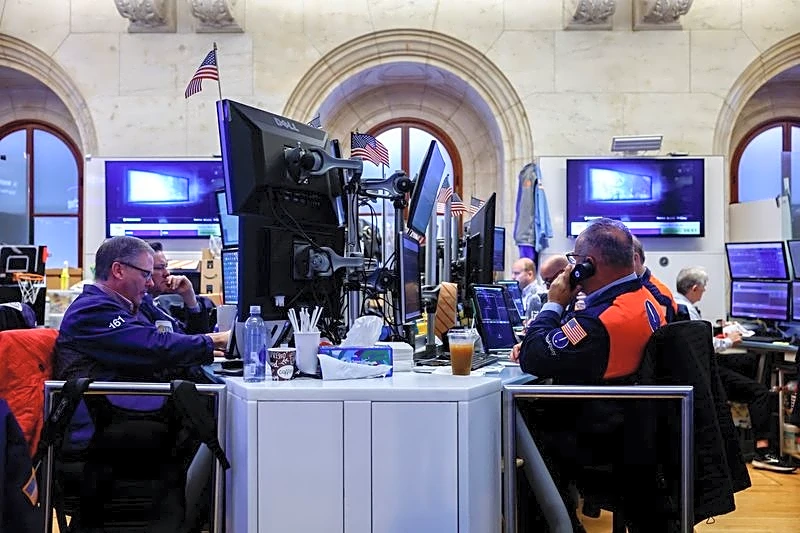
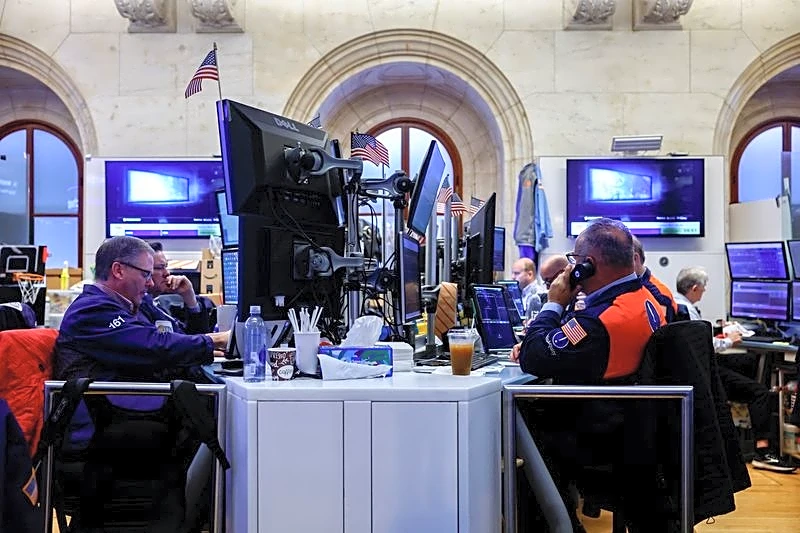
NEW YORK, Oct 22 (Reuters) - The tab for the next round of the AI buildout came due on Thursday.
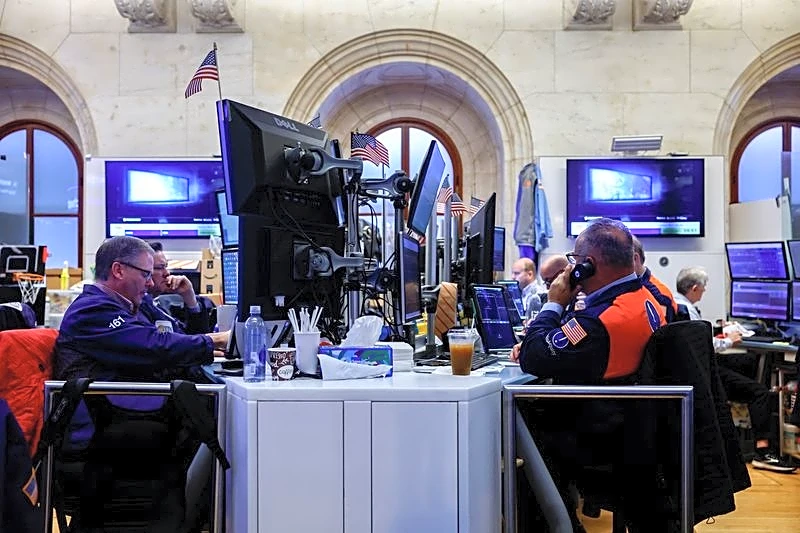
Investors sold shares of Meta Platforms and a wealth of companies central to the AI trade, a day after Meta -- one of the so-called hyperscalers spending billions to build data centers and other infrastructure supporting the AI boom -- said it would issue a new class of shares that will help it raise funds.
Meta fell 8%, its largest drop since July. SpaceX declined
9% and semiconductor giant Nvidia -- a bellwether of the AI trade -- dropped 4%. The Nasdaq Composite was on track for its largest decline in four months.
A 10% plunge in shares of semiconductor company Lam Research following its results also weighed on sentiment and sent the semiconductor index to its largest decline since July.
The pullback is the latest test for the AI trade, focusing on the rising costs of a long-term project the payoffs from which remain uncertain and will likely be unevenly distributed. Tech firms have borrowed huge sums over the past year for AI spending, but Wall Street now expects that higher interest rates mean the likes of Meta will sell billions of dollars in stock to fund the next round of building – putting pressure on share prices by increasing the number of shares outstanding.
It is an unwelcome development in a market where major US stock indexes remain near all-time highs despite a punishing month of volatile trading.
Selling started with "the big question about the (return on investment) on all the spending," said Matthew Maley, chief market strategist at Miller Tabak. "It's just becoming more and more evident to people that it's going to take a lot longer."
Thomas Hayes, chairman at Great Hill Capital LLC in New York, agreed that ROI concerns are central while also citing reported remarks by Nvidia CEO Jensen Huang about a financing bottleneck for smaller AI companies as contributing to the selling.
Meta on Wednesday said it would use new Class C shares, which hold no voting power, to fund AI spending and other priorities. Meta also raised the low end of its annual spending forecast to $135 billion from $130 billion, with the high end unchanged at $145 billion.
That level of spending will require lots of investor participation in coming stock sales. Meta reported negative free cash flow of $2.12 billion in the third quarter, compared with positive free cash flow of $10.63 billion a year earlier. It was the first cash burn at Meta in more than a decade.
“More spending, negative free cash flow, not enough revenue being generated from the spend (is) concerning investors that this is just sort of a bit of a money pit,” said Robert Pavlik, senior portfolio manager at Dakota Wealth in Fairfield, Connecticut.
The action highlights concern over how AI investment will be paid for. Credit default swaps tracking perceived default risk of many of the biggest AI players have risen over the past year, with Meta’s hitting a record on Thursday – reflecting uncertainty over who will benefit most from the sums being spent now.
Fresh signs of market pressure to curb spending on AI quickly translated on Thursday into a broad market selloff reflecting expectations that any AI pullback would hit US growth, resulting in a sharp rally in Treasury prices.
“The market seems to be real-time repricing the probabilities of a US ‘growth scare’ off the back of the AI reset,” Nomura Securities strategist Charlie McElligott wrote in a note to clients.
Thursday’s selloff added to the pressure on the so-called neocloud companies at the heart of the AI buildout, with Nebius off 7% after announcing a new $3.5 billion credit line from Citigroup and CoreWeave, whose unsecured bond yields soared to 15% in last week’s AI selloff, down 9%.
Bank of America analyst Tal Liani said in a report on Thursday he maintains a buy rating and a price target of $140 on CoreWeave stock heading into next month’s earnings report, though he said he believes the firm will need to raise $20 billion to fund commitments to customers -- the sort of prospect that is generating investor anxiety now across the technology industry.
"Nobody is worried about Meta or Amazon or Google getting the financing they need," Maley said. "But if it gets prohibitive for smaller companies, then you don't have to have an implosion of things to make people nervous."
(Reporting by Sudeshna Ghoshal in Bengaluru and Lewis Krauskopf in New York; Editing by Colin Barr and Daniel Wallis)