









By Stefano Rebaudo
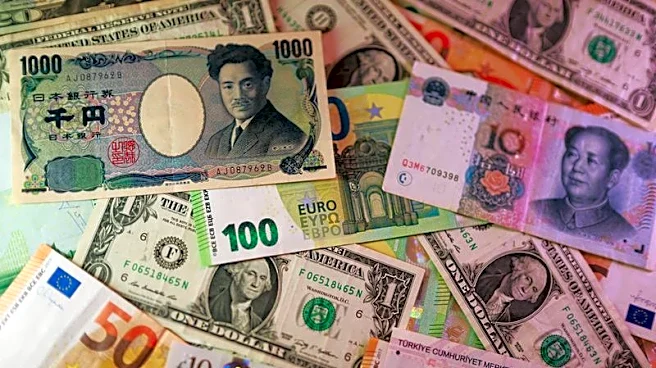
Oct 26 (Reuters) - The euro rose against the safe-haven yen and held steady against the dollar on Monday as falling oil prices and an unchanged French credit rating reduced pressure on the single currency ahead of a busy week of central bank meetings.
The euro had lost ground last week as a selloff in French government bonds drove the country's debt risk premium to its highest level since the 2011 sovereign debt crisis, reigniting concerns about renewed financial stress across the euro zone.
However, French government bond (OAT) prices rose on Monday after Moody's spared France a credit rating downgrade last week, easing pressure on a government struggling to shore up strained finances.
Brent crude futures eased but still held near six-month highs. Elevated oil prices weigh on import-dependent economies such as the euro zone.
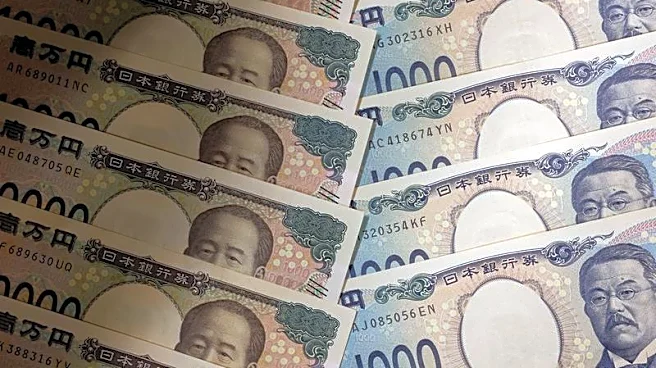
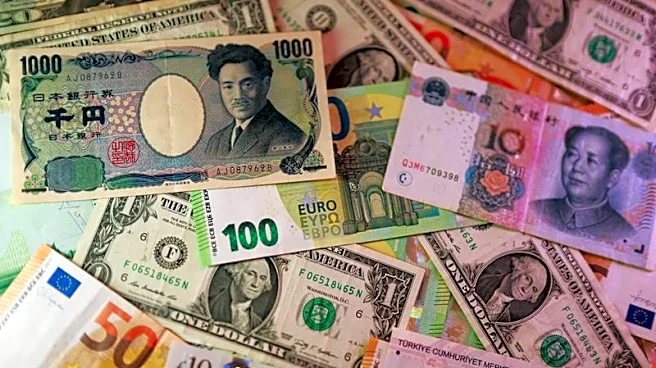
The euro was flat at $1.1201 and up 0.37% at 176.15 versus the yen.
"French stress is unlikely to go away ahead of the presidential election in April/May," Barclays' strategists said. "And while the euro/dollar premium has now corrected to sub-3%, there is likely still some more unwind in store."
French authorities are bracing for more street unrest next weekend despite a huge security operation that helped contain nationwide demonstrations on Saturday, Interior Minister Laurent Nunez said.
"The temporary relief that began on Friday has chances to extend ahead of Thursday's ECB decision," Erik Liem, rate strategist at Commerzbank, said. The yield gap between OATs and safe-haven Bunds tightened to 160 bps after reaching 176 bps last week, the highest since 2011.
Last week, the US dollar came under selling pressure during a tech-led market selloff. Corporate earnings reports from large cloud computing providers Alphabet, Microsoft and Amazon will also test the fragile AI-led market rally and broader risk appetite.
The dollar index, which measures the US currency against a basket of peers, was up 0.05% at 101.83.
REAL EXPECTED TO FALL SHARPLY
The Brazilian real was set to fall sharply against the US dollar after Brazilian President Luiz Inacio Lula da Silva won a historic fourth term on Sunday. Markets had bet on a victory by his opponent, Senator Flavio Bolsonaro, who said he would ask for the result to be annulled.
"The fiscal side has always been Brazil's Achilles heel, and a 7%-8% budget deficit and 70% net debt-to-GDP ratio leave Brazil vulnerable in a global bond selloff," Chris Turner, global head of forex strategy at ING, said.
"Instead of fiscal consolidation under Bolsonaro, Brazilian assets are instead going to have to contend with Lula’s campaign pledges, including a shorter working week," he added.
CENTRAL BANKS IN FOCUS
Five major central banks will announce policy decisions later in the week. The US Federal Reserve, the European Central Bank and the Bank of Japan are all expected to hold rates steady despite inflation pressures, while leaving the door ajar for December hikes.
The Japanese yen fell 0.25% to 157.28 per dollar.
Investors will focus on any clues about the rate outlook, as a potential AI-driven selloff in US stocks could tilt the Fed towards a more dovish stance.
According to Citi economists, a sustained selloff in equities could mean that September’s 25-basis-point Fed hike turns out to be both the first and last hike of the cycle.
In the euro zone, France will be the hot topic, with markets watching whether renewed fiscal concerns begin to influence expectations for future ECB policy.
"The ECB would prefer to not talk about France this week, but it’s impossible to avoid," Jamie Searle, European rates strategist at Citi, said.
"Unanchored OAT valuations likely mean careful words, a reminder of conditional backstops, but no plans for direct intervention especially as it might not work," he added.
New Zealand's and Canada's central banks are expected to raise rates this week.
(Reporting by Stefano Rebaudo; Editing by Kevin Buckland, Xevi Fontdegloria and Andrew Heavens)