






By Mohi Narayan
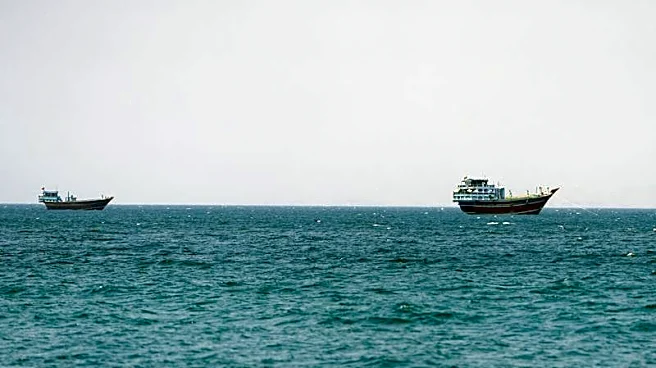
NEW DELHI, July 30 (Reuters) - Brent crude prices climbed more than $1 a barrel on Thursday in a volatile session as investors swing between focusing on escalating U.S. attacks on Iran and hopes for a resolution that may resume shipping in the Strait of Hormuz.
Brent futures rose $1.48, or 1.63%, to $92.22 a barrel as of 0707 GMT. U.S. West Texas Intermediate (WTI) crude gained 43 cents, or 0.51%, to $84.89 a barrel.
Both contracts had erased some losses earlier in the session after
settling about 7%-8% higher on Wednesday in one of the sharpest daily price spikes during the Iran war as U.S. President Donald Trump threatened to hit Iran "very hard" after an Iranian missile attack on Tuesday on a U.S. base in Jordan.
The U.S. carried out two hours of attacks on Iran at 8:00 p.m. ET (0000 GMT), the U.S. Central Command said.
On Wednesday, the U.S. and Saudi Arabia attacked Iran-backed paramilitary forces in Iraq, the first time that Saudi had publicly joined U.S. air strikes, in retaliation for drone attacks on Saudi oil targets launched from Iraq.
That ended a lull in U.S. strikes on Iran that began over the weekend.
"Europe is waking up to the news of the U.S. attacks, so buying up," said Vandana Hari, founder of oil market analysis provider Vanda Insights.
In another blow to supply, the Caspian Pipeline Consortium, quoted by the Russian news agency Interfax, said on Thursday that it had suspended oil loadings following a drone attack on a tanker.
However, analysts said investor focus was on the volume of oil exiting the key chokepoints and possibility of a diplomatic breakthrough.
"Trump’s 'hit hard' rhetoric caused the price spike immediately but looks like the market has fully priced (that) in and (is) considering the 'TACO' possibility right now," said Lin Ye, vice president of commodity markets, oil, at Rystad Energy, referring to the acronym Trump Always Chickens Out.
Ye said the market is following a pattern: geopolitical headlines are triggering rapid price spikes, but those gains are often short-lived as actual supply flows and parallel diplomatic efforts tend to determine how long those upward price moves persist.
Iran's Fars news agency said a Qatari LNG tanker passed through the Iran-designated route in the Strait of Hormuz with Iran's permission.
The Al Areesh tanker, which loaded a cargo at Qatar's Ras Laffan terminal around July 4-6, sailed out of the strait overnight on July 29, according to Kpler and LSEG data.
(Reporting by Mohi Narayan in New Delhi and Colleen Howe in Beijing; Editing by Lincoln Feast, Christian Schmollinger, Ros Russell)