








By Ankur Banerjee and Stefanno Sulaiman
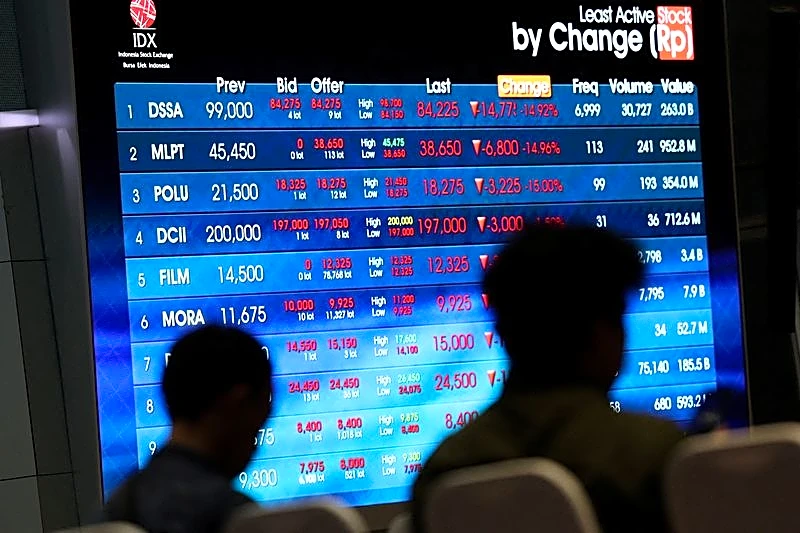
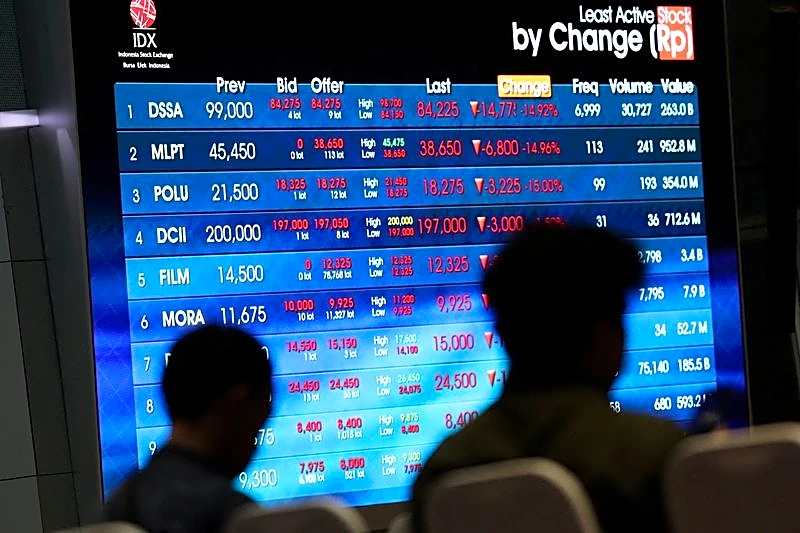
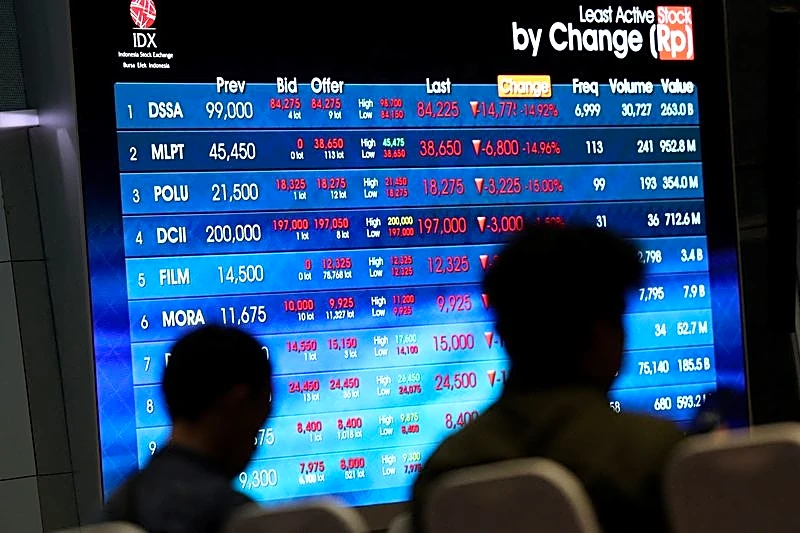
SINGAPORE/JAKARTA, Oct 19 (Reuters) - Indonesian stocks suffered the deepest two-day sell-off recorded, while authorities in Jakarta demanded an explanation from MSCI whose warning on Friday that it could strip the country of "emerging market" status next year prompted the rout.
Jakarta's benchmark stocks closed down 3.6% on Monday after plunging 11.6% on Friday, a combined two-session fall steeper than any during the 1998 Asian financial crisis. The index also
hit a six-year low during the session.
The selling began after MSCI on Friday said it was considering shifting Indonesia to "standalone" instead of "emerging markets" status, a more-severe-than-expected shift that rattled investors and officials.
A shift would risk cutting Southeast Asia's biggest economy off from international capital and making it an investment backwater.
The nervous selling flowed through to the Indonesian currency and bond markets. The rupiah weakened to 18,030 per dollar, not far from the record low of 18,190 hit in June, and a slide in Indonesian government bonds pushed the 10-year yield to 7.4%, according to traders, from 7.169% on Friday.
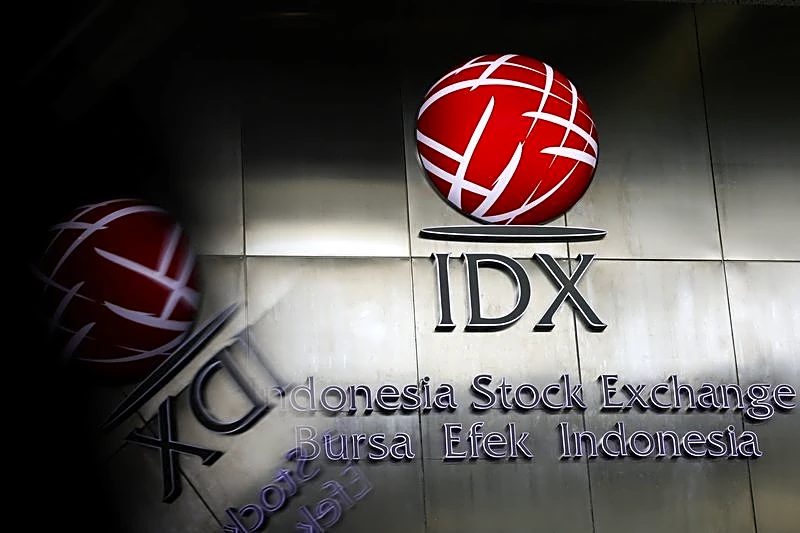
"We did not expect there would be such announcement (from MSCI). Such an unexpected statement caused the market to react in panic," Indonesia Stock Exchange Chief Executive Jeffrey Hendrik said, ahead of a meeting with MSCI seeking explanation.
INDONESIA IS COMMITTED TO CAPITAL MARKET REFORMS
After the online meeting with MSCI, Jeffrey said Indonesia remained committed to the ongoing capital market reforms it launched after an initial warning from MSCI in January, adding that he could not disclose details of the meeting.
He also announced two policies to improve market transparency and price discovery. They include the exclusion of stocks with a high concentration of ownership by the same person or entity from the benchmark Jakarta Composite Index "to provide a more accurate picture of the main index's movements".
To try to reduce volatility, the IDX on Monday also reduced the daily down limit on stock prices to 7% from 15%, meaning the exchange will automatically reject any sell orders at lower prices to prevent further falls.
INVESTORS REASSESS THEIR EXPOSURE
MSCI's move has intensified pressure on Indonesia's regulators and finance officials as investors reevaluate their exposure to Indonesian assets more broadly.
It has also raised the concern of capital flight risk from a country that had been an emerging market favourite. Its appeal had already decreased since the pandemic, investors say, as confidence waned in Indonesia's fiscal health and the independence of its central bank under President Prabowo Subianto.
Prabowo was meeting with financial officials on Monday to discuss the "current economic condition", two government officials with knowledge of the matter said.
S&P Global Ratings sovereign analyst Rain Lin said MSCI's latest warning was likely to result in additional capital outflows but did not anticipate them to be of a magnitude that would materially increase financing costs.
"More concerning is the potential damage to investor confidence and the risk that sentiment weakens more broadly across government bond markets and foreign direct investment."
WIDER RISKS FROM MSCI THREAT
MSCI's warning on Friday follows repeated setbacks for Prabowo's government this year, after Moody's and Fitch cut their sovereign rating outlooks to negative.
It also precedes a policy decision from Bank Indonesia this week. Although the central bank is widely expected to leave rates unchanged, some analysts have raised the possibility of a rate hike to stem the sell-off in the bond market.
MSCI had threatened to downgrade the Jakarta market to "frontier" status in January but said on Friday a lack of progress in remedying its concerns about opacity in ownership and trading behaviour meant even a drop to that status would not reflect the severity of the issues.
Goldman Sachs estimates a full MSCI removal could trigger $5.6 billion of passive outflows. Active funds benchmarked to these indexes hold more than $8 billion, although any selling would be discretionary rather than benchmark-driven, they wrote.
Foreign investors have net sold $4.98 billion worth of Indonesian stocks so far this year, on track for the biggest annual outflow in at least 16 years.
($1 = 18,040.0000 rupiah)
(Reporting by Ankur Banerjee in Singapore, Stefanno Sulaiman and Fransiska Nangoy in Jakarta; Editing by Sonali Paul and Barbara Lewis)