





By Amanda Cooper
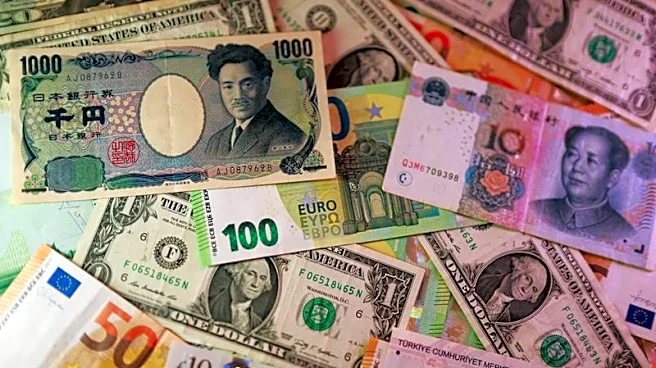
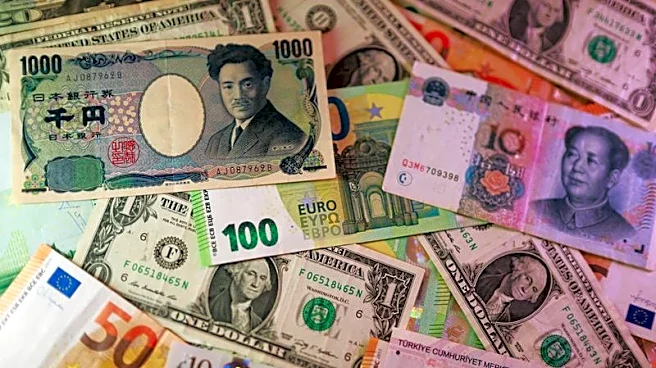
LONDON, Oct 29 (Reuters) - The euro was steady on Thursday ahead of a policy decision from the European Central Bank, where the focus will fall on the outlook for inflation and the bond-market turmoil in France, while the dollar wobbled after the Federal Reserve tempered bets on rate hikes next year.
The ECB is set to keep interest rates on hold in a well-telegraphed decision that is likely to be overshadowed by questions about France and ECB President Christine Lagarde's own future.
The euro was steady on the day around $1.1137, but is still down 2% this month against the dollar and around 2.5% against the pound.
As a result, investors are betting heavily against the euro, having built up their biggest short position in a decade that is currently worth $18.89 billion, according to weekly data from a US regulator.
With positioning leaning so heavily in one direction, the scope for a bounce higher in the euro is fairly large right now, IG chief market strategist Chris Beauchamp said.
"Given the moves (in the euro) you've seen against sterling and against the dollar, it's very much one way, and there's bound to be a few people feeling a bit nervous," he said.
He said should Lagarde take a tough stance on inflation, that could boost the currency, if traders priced in a greater probability of a rate hike in December, where the chances are around 82%, or of a second sooner than April, which is what money markets currently reflect.
"If the ECB can edge the Fed out slightly in rhetoric today and really bang the drum for (rate hikes), then I think you could see a lot of people just caught a little bit offside," Beauchamp said.
Another two rate hikes by this time next year could make for a "winter of discontent" for the euro zone, which is already battling high energy prices and increasing stagflation risks, according to Rushabh Amin, portfolio manager for the multi-asset team at Allspring Global Investments.
Worries about France's ability to tackle its huge debt burden have hurt French government bonds and raised concern about other heavily indebted euro-area countries, weighing on the euro, which is down 5.1% against the dollar this year.
FED LEAVES RATES UNCHANGED
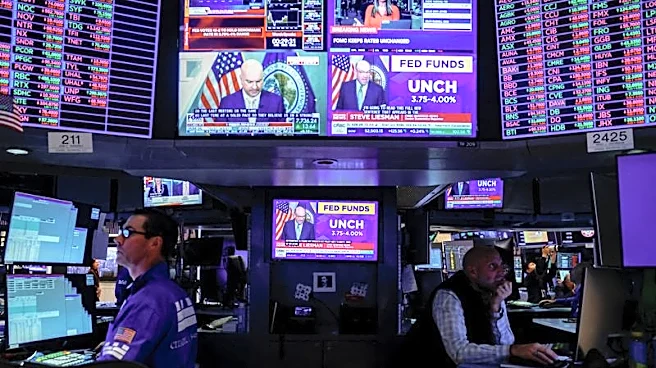
The Fed, meanwhile, opted to delay any changes to borrowing costs until after next week's midterm election, which came with an upgraded assessment of an economy that the central bank now says is growing at a "strong pace".
That, along with the confidence expressed by Fed Chair Kevin Warsh that inflation can be lowered to the 2% target without having to "throw sand in the gears" and slow growth or raise unemployment, pushed traders to rein in bets for rate hikes in 2027.
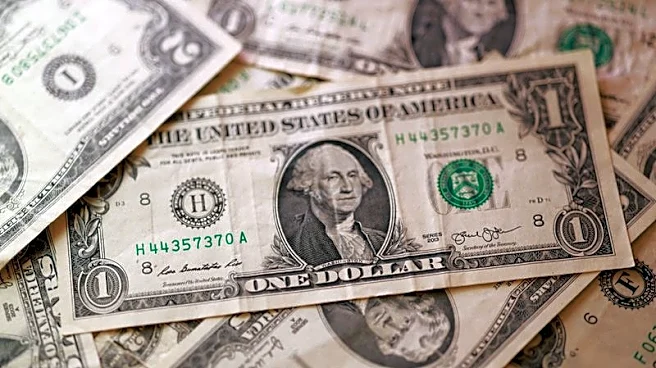
The dollar steadied on Thursday, after retreating from a two-week high the day before. The dollar index, which tracks the US currency against a basket of six others, was at 102.2.
The 2-year note yield, which typically tracks Fed rate expectations, fell 6 basis points to 4.672%, extending the decline that began after Warsh's press conference.
Warsh also said the central bank would begin setting aside one of its eight regular policy meetings next year and two in 2028 to discuss major issues facing the institution and would not use them to consider changes in monetary policy.
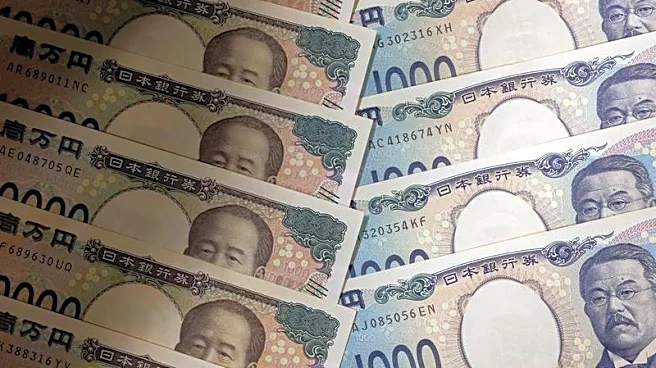
Attention is also on the Bank of Japan, which concludes a two-day meeting on Friday and is expected to keep rates steady. The Japanese yen held steady, leaving the dollar at 157.86 yen.
The New Zealand dollar stabilised on Thursday at 0.5622 per dollar, after slumping nearly 2% following the Reserve Bank of New Zealand's surprise decision on Wednesday to keep rates at 2.75%.
(Additional reporting by Li Gu in Shanghai and Ankur Banerjee in Singapore; Editing by Kate Mayberry, Lincoln Feast and Alex Richardson)