







By Amanda Cooper
LONDON, Oct 30 (Reuters) - The yen headed for a third daily gain on Friday after the Bank of Japan held rates but revised up its inflation forecast, while a fresh wave of selling in AI shares triggered demand for safe havens that bypassed the dollar, with falling Treasury yields adding to pressure on the US currency.
The BOJ left its main rate at 1.25% in a widely anticipated move, but stressed that its policy has entered a new, more hawkish phase open to raising rates once every few
months.
The yen strengthened to a high of 157 per dollar, set for a 0.2% gain in October.
The BOJ wraps up a week of central bank decisions, with the European Central Bank, the US Federal Reserve and the Reserve Bank of New Zealand all leaving interest rates unchanged as they bide their time amid stubborn inflation and tightening financial conditions.
But they are by no means done, with energy prices near multi-month highs and no resolution to the conflict in the Middle East in sight. The Bank of England and the Reserve Bank of Australia will be in focus next week, with investors watching those decisions.
"I think this is just a temporary pause. The global tightening cycle is still going to continue and that will continue to be a driver for FX markets," said Khoon Goh, head of Asia research at ANZ.
"The big question is as we enter 2027, whether or not we might end up with potentially even more hikes if the inflation stays elevated."
The euro was up 0.12% at $1.1195, up for a third straight day, having hit its lowest since May 2025 on Thursday, after the ECB left rates unchanged and indicated higher bond yields had tightened financial conditions, initially prompting traders to lower their expectations for a hike in December.
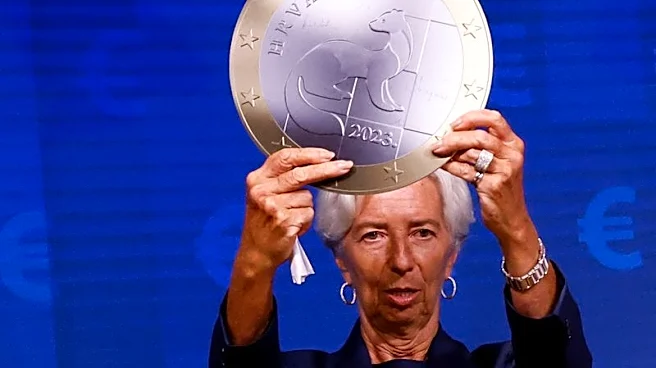
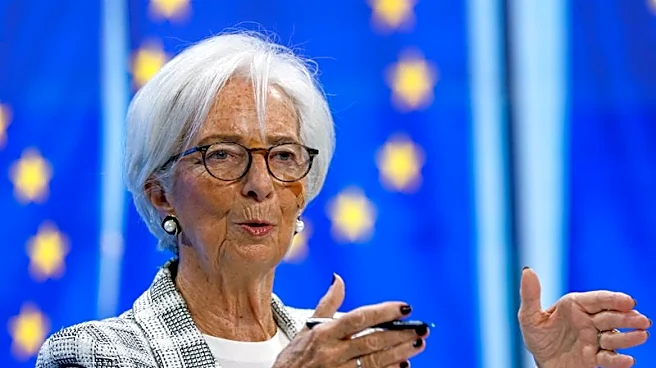
President Christine Lagarde, who also announced she would step down from the ECB in February, eight months early, said policymakers had debated whether a hike was appropriate, which lifted the euro in late trading and put it on a firmer footing on Friday.
NOT THE SAME AS AN ENERGY-DRIVEN RISK-OFF EPISODE
The dollar index, which tracks the US currency against six others, was down 0.2%, largely as a function of the pickup in the euro and the yen. It has risen 0.3% in October, up for a second straight month.
When investors seek out safe-haven assets, the dollar is often a beneficiary. But on Friday, the drag from a decline in Treasury yields was stronger. Results from Alphabet, Amazon and Intel this week have rekindled worries about AI spending, which triggered a selloff in tech stocks on Friday.
The euro has profited from the pressure from the AI-led selloff on the dollar, but with euro zone economic growth lagging that of the United States and no equivalent boost from the AI buildout, this strength may soon dissipate, according to Barclays currency strategist Lefteris Farmakis.
"The concerns of some of our clients and our view - is that the euro (will get) much weaker. The US data yesterday was actually very, very strong and that is evidence of the way in which the AI story actually benefits the economy on the ground," he said. "There will be ups and downs; markets never go in a straight line, but the trend remains for a weaker euro."
Data on Friday showed the euro zone achieved above-forecast growth of 0.4% in the third quarter of this year, compared with a rate of 3.4% for the US, according to data on Thursday, as the world's largest economy widened its lead over the single currency bloc.
Elsewhere, bitcoin was down 1.7% at $77,500, as investors pulled money from digital assets, after hackers stole $6.3 billion from Binance, the world's biggest cryptocurrency exchange, in the biggest crypto heist on record.
(Reporting by Jiaxing Li in Hong Kong and Junko Fujita in Tokyo; Editing by Sam Holmes, Kate Mayberry and Edwina Gibbs)